
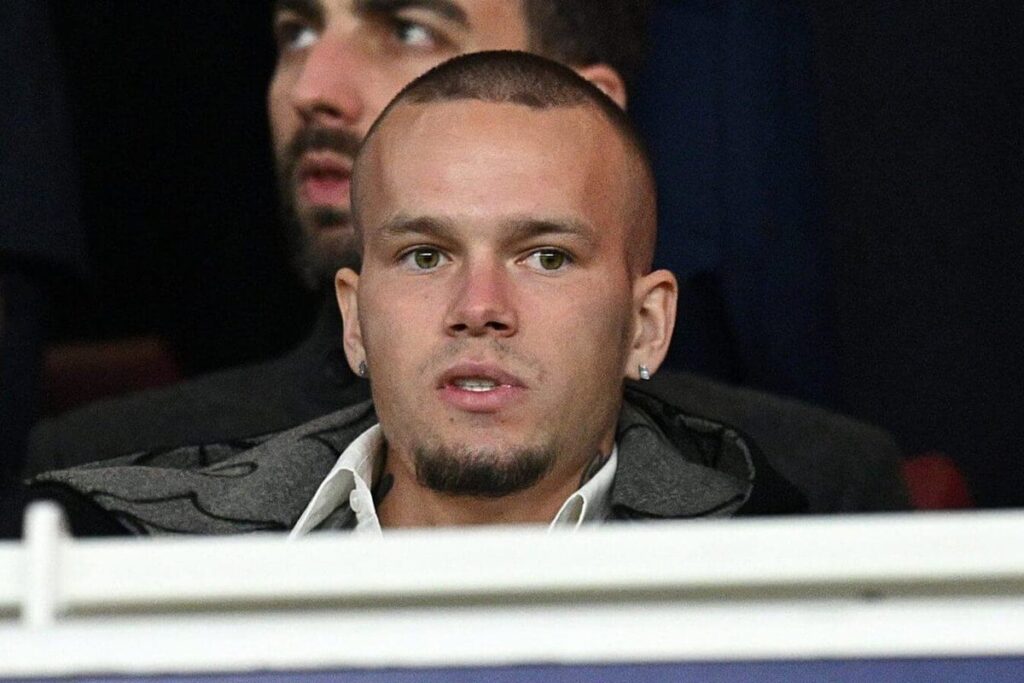
Chelsea’s Mykhailo Mudryk is appealing a four-year ban after being hit with the English Football Association’s maximum penalty for doping.
Mudryk, 25, was provisionally suspended by the FA in December 2024 after an adverse finding in a routine urine test. He maintains his innocence and will take his case to the Court of Arbitration for Sport (CAS) in an attempt to reduce or overturn his sanction.
The Athletic explains how the case has unfolded, what could come next, and what it means for Mudryk’s Chelsea future.
What happened initially?
Mudryk’s most recent appearance for Chelsea came in a 2-0 win over Heidenheim in the Conference League on November 28, 2024, and he was an unused substitute against Aston Villa on December 1.
The winger’s subsequent omissions from matchday squads were attributed to illness by then-head coach Enzo Maresca. On December 17, the FA provisionally suspended him after an adverse finding in a routine urine sample.
The Athletic was told by multiple sources, who wished to remain anonymous as they are not authorised to speak publicly on the matter, that Mudryk tested positive for meldonium following international duty with Ukraine in November 2024.
What is meldonium and have others been banned for using it?
Meldonium is a heart disease medication used to treat ischemia, which, in simple terms, is a reduced blood flow to parts of the body. According to the U.S. Anti-Doping Agency (USADA), meldonium may be used clinically by those suffering from heart conditions, such as angina and low blood flow to the heart. However, in sport, it can help athletes recover from exercise and improve endurance.
The World Anti-Doping Agency (WADA) added meldonium to its monitoring program in 2015, and it was added to the list of prohibited substances in 2016.
Several athletes in other sports have fallen foul of the ban, with the most high-profile case involving tennis star Maria Sharapova. The Russian failed a test for meldonium shortly after it was banned and said she had been taking it for health reasons. Sharapova was initially banned from tennis for two years, but had that reduced to 15 months by CAS after appeal.
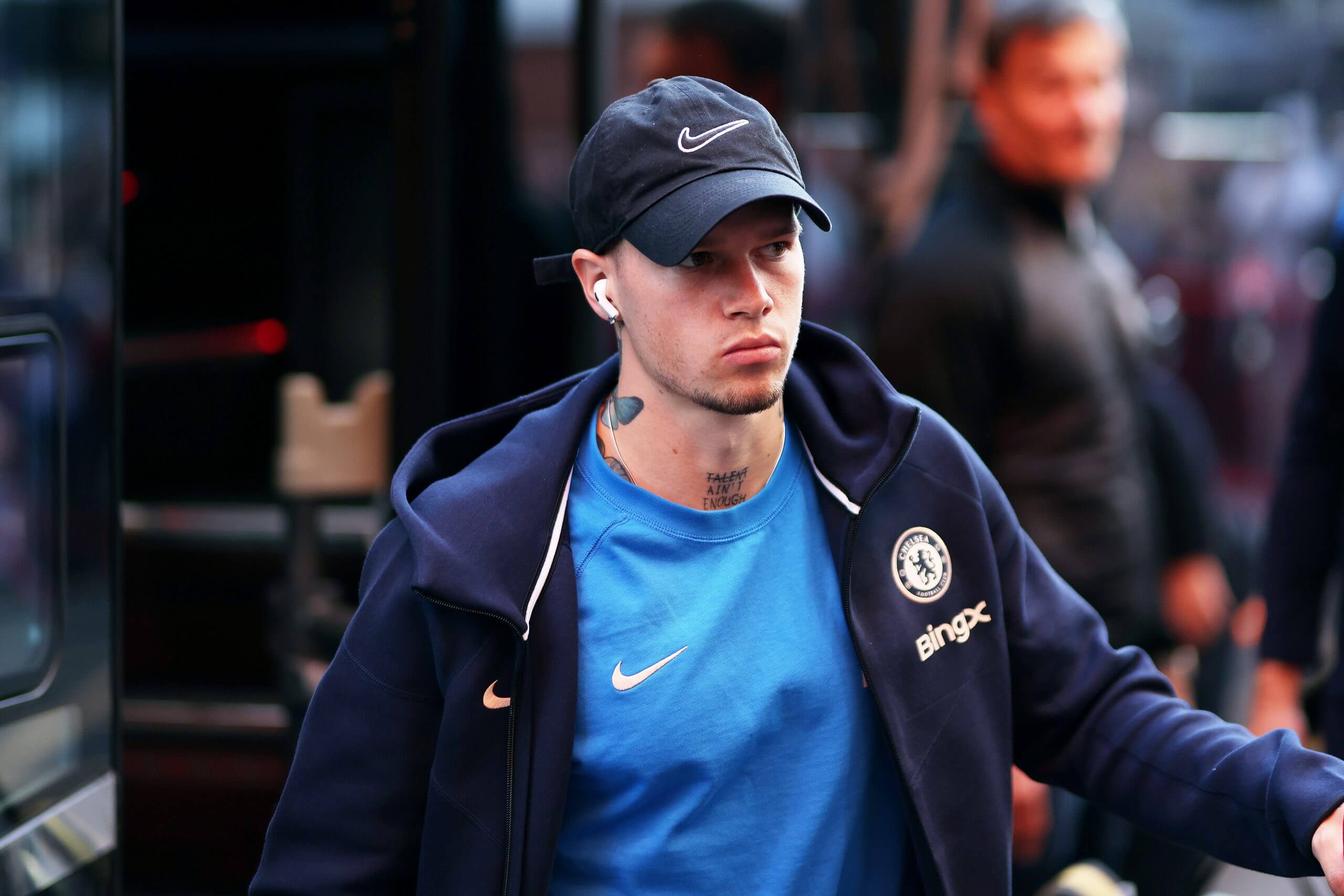
Mykhailo Mudryk has not played since November 2024 (Ryan Hiscott/Getty Images)
How did Chelsea and Mudryk respond?
Chelsea issued a statement on their website on December 17, 2024, announcing that the FA had recently contacted Mudryk “concerning an adverse finding in a routine urine test”. The club reiterated that all their players are regularly tested and pledged to “work with the relevant authorities to establish what has caused the adverse finding”.
In a statement on his Instagram account, Mudryk protested his innocence. “I can confirm that I have been notified that a sample I provided to the FA contained a banned substance,” he said.
“This has come as a complete shock, as I have never knowingly used any banned substances or broken any rules. I am working closely with my team to investigate how this could have happened.
“I have not done anything wrong and remain hopeful that I will be back on the pitch soon. I cannot say any more now due to the confidentiality of the process, but I will as soon as I can.”
Chelsea immediately withdrew Mudryk from first-team consideration and he has not played professional football for club or country since.
Is a lack of intent a defence according to the FA?
No. The FA deals with the use of prohibited substances as ‘strict liability’ violations — meaning it is not necessary to show intent, fault, negligence, or knowing use by Mudryk for him to have violated the rules.
The FA’s regulations do say that a ban can be eliminated if the person establishes they bear “no fault or negligence”, and can be reduced if they establish “no significant fault or negligence”.
When was he formally charged?
Mudryk was formally charged in June 2025.
An FA statement said: “Mudryk has been charged with anti-doping rule violations alleging the presence and/or use of a prohibited substance, in terms of regulations 3 and 4 of the FA’s anti-doping regulations.”
What happened on Wednesday?
In a statement issued to The Athletic and other media organisations, CAS confirmed that Mudryk lodged an appeal with the court on February 25, 2026, against a four-year ban imposed by the FA, adding that the parties “are exchanging written submissions, and a hearing is yet to be scheduled”.
Having not publicly disclosed their punishment of Mudryk before CAS confirming the winger’s appeal, the FA reiterated its policy of not commenting on ongoing cases when contacted by The Athletic on Wednesday.
Chelsea also declined to comment, with sources speaking anonymously due to the sensitive nature of the situation indicating that the club want to let the appeal process take its course.
How will the CAS appeal work?
CAS confirmed that Mudryk’s lawyers and those representing the FA are exchanging written submissions. This is the first stage of the appeals arbitration procedure.
During this stage, both parties must agree whether the appeal should be heard by a sole arbitrator or a panel of arbitrators. In the case of a panel, each party gets to nominate one arbitrator from the CAS arbitrators’ list. The president of the panel is selected by CAS.
Once the written proceedings are over, a hearing may be scheduled, when both parties can present arguments, oral testimony and expert evidence to the arbitrator or panel of arbitrators, who then deliberate before giving a final decision.
CAS has created a specialised anti-doping division to hear and decide anti-doping cases in accordance with the World Anti-Doping Code.
The entire process can take many months to play out.
Have other footballers successfully appealed a ban through CAS?
Yes. Paul Pogba, now with Monaco, had a ban reduced from four years to 18 months in 2024, while goalkeeper Andre Onana (currently on loan at Trabzonspor from Manchester United) had his ban reduced from 12 to nine months in 2021.
In both cases, the court accepted the players’ argument that their offence was unintentional.
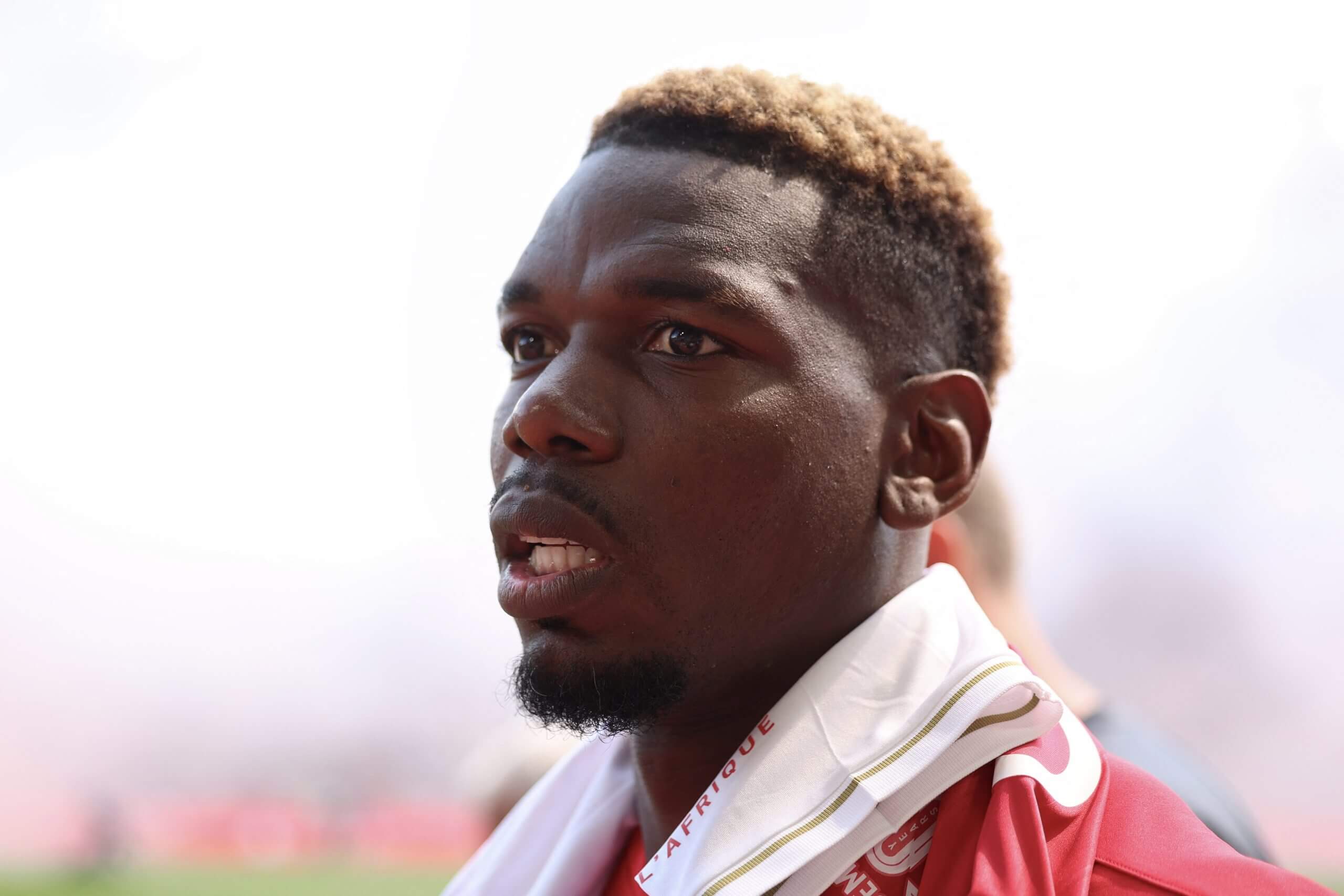
Paul Pogba successfully appealed a ban (Valery Hache/AFP via Getty Images)
Has Mudryk been keeping himself fit?
Mudryk has been following a specialised fitness programme during his exile from professional football. Chelsea have been monitoring him, but are not allowed to arrange any organised training for him.
Instead, Mudryk has been supplementing his gym work in recent months by renting the 3G pitch at non-League club Uxbridge’s Honeycroft ground to help keep his football skills sharp, with his private team discreetly hiring coaches and goalkeepers to aid with his individual sessions.
Judging by the training clips that have circulated on social media and the session observed by The Athletic this month, Mudryk has kept in impressive physical shape, even without competitive match action.
He has lost none of his explosive athleticism and holds himself to high standards during drills, maintaining a serious focus despite not knowing when he will play again.
Could Chelsea sack him if he’s found guilty?
As The Athletic’s Dan Sheldon and Philip Buckingham reported in 2025, there is a definition of gross misconduct in the standard Premier League contracts between all players and clubs. Being found to have taken a prohibited substance falls under the definition, as it does in accordance with FA rules. Chelsea would therefore have a strong case to say Mudryk was guilty of gross misconduct and terminate his contract.
They would have to give him 14 days’ notice, and pay him for those 14 days, but would not have to pay out the rest of his contract, which is set to run until 2031.
They could also opt to keep Mudryk. Even if his appeal is unsuccessful, a four-year ban starting from when he was provisionally suspended in 2024 would only take him up to the end of 2028, leaving multiple years still on his contract. They could try to renegotiate a new deal with lower wages for the duration of the ban, but it would be up to Mudryk whether he wanted to sign it.
The FA’s agent transaction lists reveal that there was an update made to Mudryk’s contract with Chelsea between February 4, 2025, and February 2, 2026. Club sources and sources close to Mudryk declined to provide details, but said the change was not significant. Chelsea sources also say the club are fulfilling their contractual obligations to Mudryk during this process.