
A more complete version of this piece, with images and diagrams properly placed, is available on my Substack.
Manchester City beat Arsenal 2–1 in one of the most important matches of the season. The teams came into the game in very different form — three straight wins for Pep’s side with an aggregate score of 9–0, and three defeats and a draw in five matches for Arteta’s team.
There were no real expectations going into the match. City needed a win to stay in the title race, and it was clear they would stick to their football. Toward the end of the season, Guardiola has finally settled on his lineup and found a balance with Doku, Haaland and Cherki on the pitch.
The main question was about Arsenal — what would Arteta come up with, given that a draw would have suited them. The most logical assumption before the match, especially since Arsenal had done it before, was that they would sit deep in their own half. But no — Arteta picked a bold lineup with two No. 10s, and from the first minutes the team started suffocating City with their press.
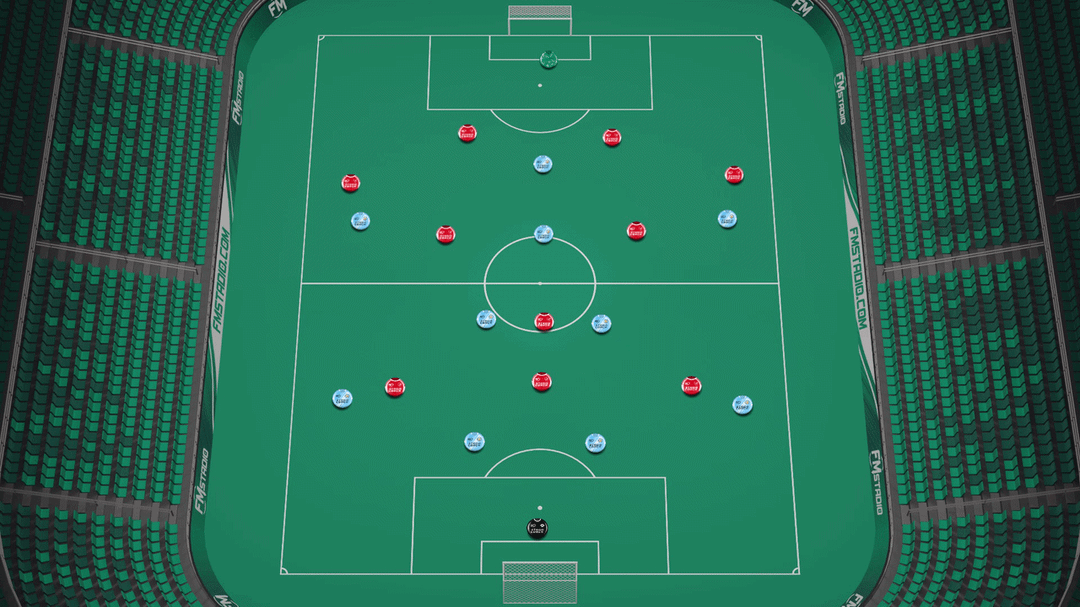
In the League Cup final, Pep tested a new pressing structure — a 4-2-4 with a line of attacking players not heavily involved in pressing but blocking central build-up. In that match, Arsenal had no answer to the coach’s new idea, relying on long balls to Gyökeres, often losing first contacts and second balls, and failing to adjust during the game.
In yesterday’s match, Arteta corrected those mistakes and used several adjustments. First, Havertz replaced Gyökeres and looked much more confident in aerial duels. Second, Ødegaard frequently dropped deeper to collect the ball and dictate play. Third, Arteta clearly instructed his players to take more risks, trying to find Havertz, Eze or Madueke with passes along the ground.
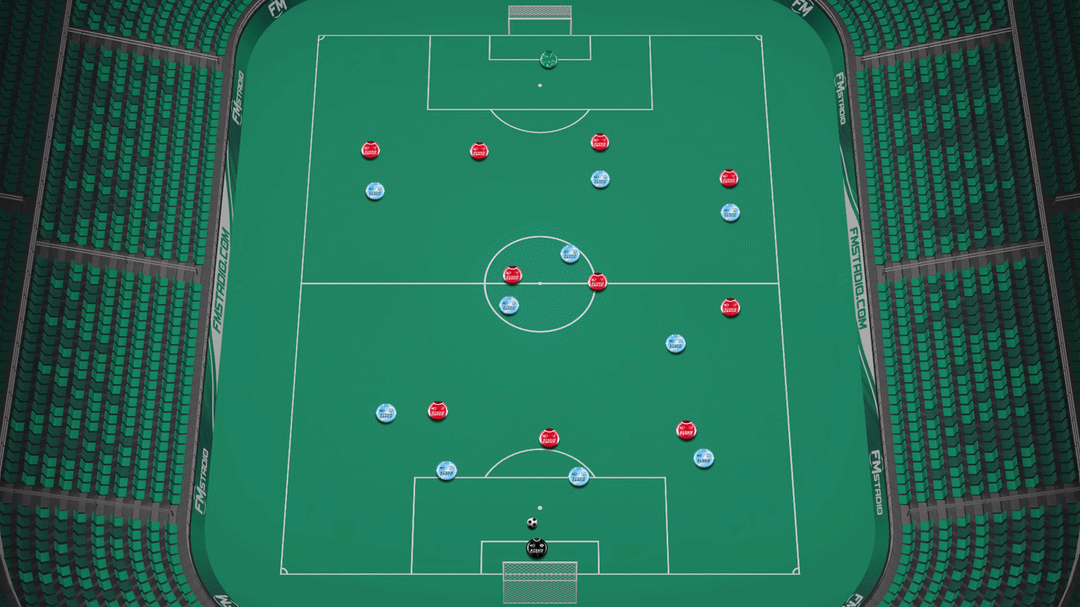
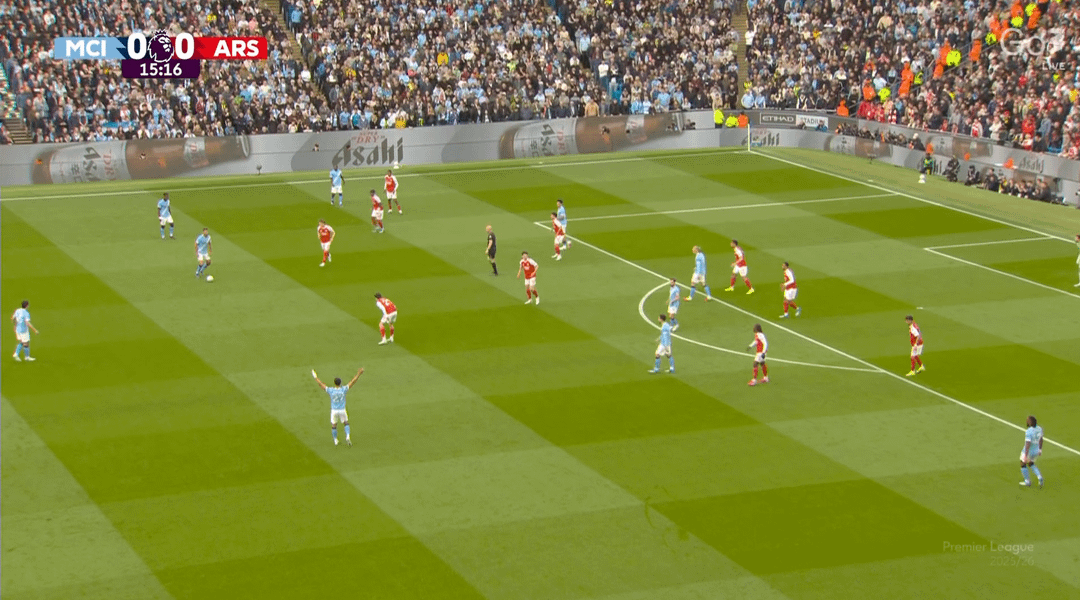
Arsenal pressed all the way up to Donnarumma, aggressively and tightly, marking opponents man-to-man.
Arteta’s approach had clear benefits — for example, Donnarumma’s mistake came directly from Arsenal’s press. Interestingly, in his post-match interview Pep pointed out that Khusanov failed to block Havertz, even though it is a centre-back’s responsibility to protect the goalkeeper under pressure.
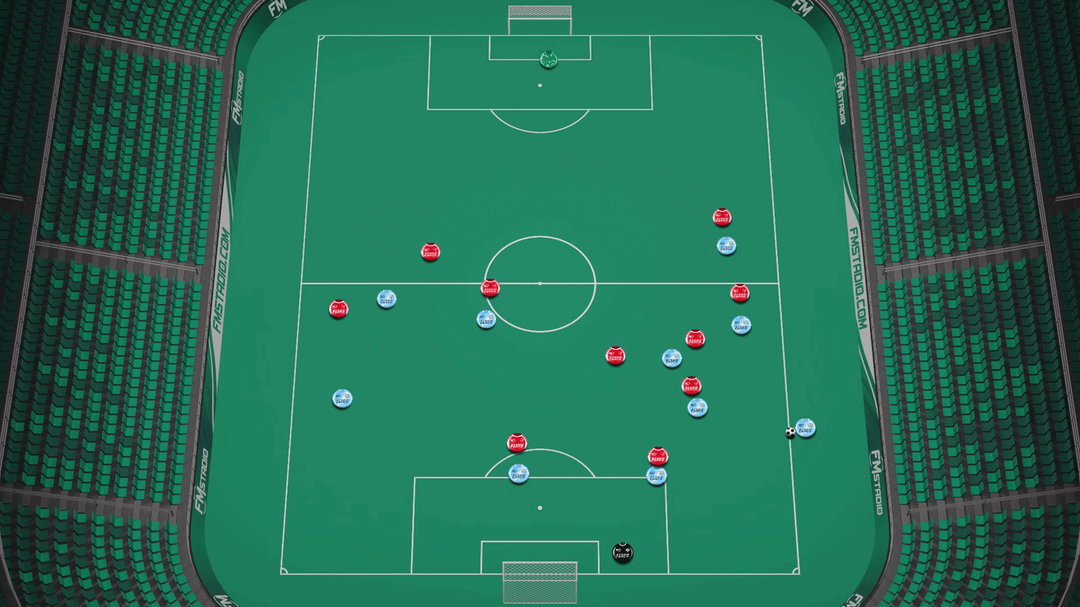
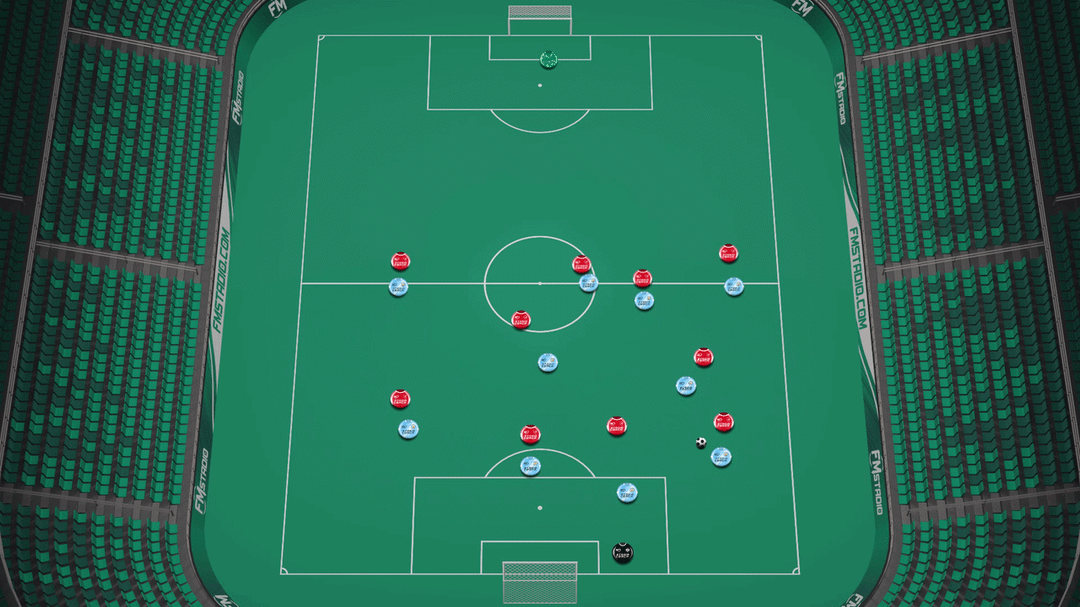
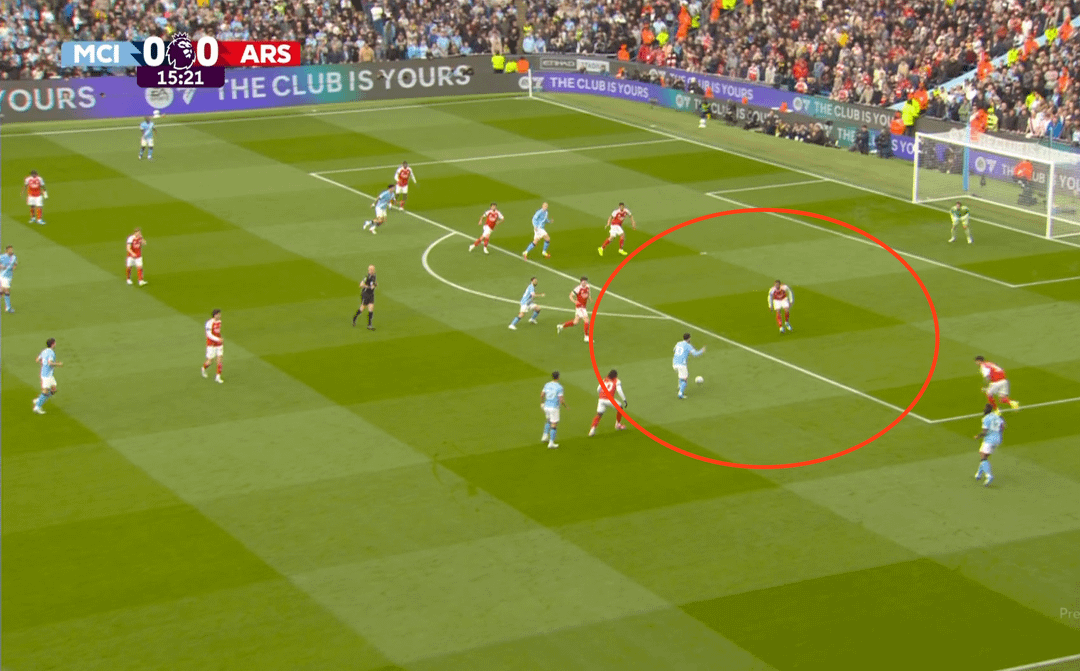
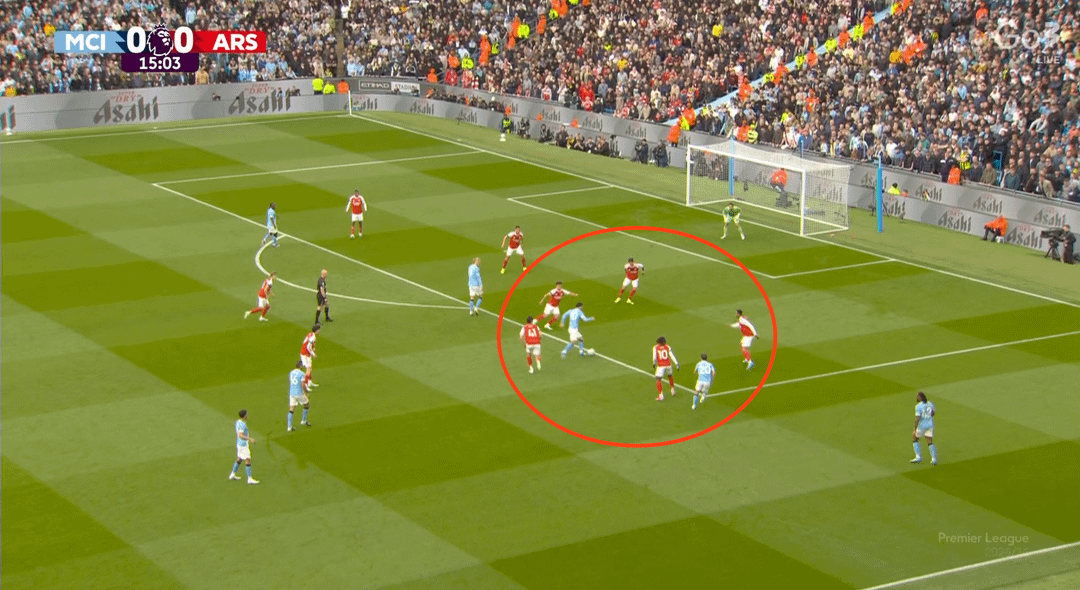
But with such aggression and a high defensive line, Arsenal left City plenty of space to attack. In the first half alone, after breaking the press, City attacked through the centre seven times — usually with Haaland dropping deeper or Doku moving inside from the flank to carry the attack forward.
One of these situations led to City’s second goal. Arsenal’s forwards jumped to press, but the rest of the team failed to create compactness in midfield. Martinelli chose Guéhi as his pressing trigger, while O’Rilley ran into the open space in central midfield and carried the ball almost to the penalty area.
I want to highlight the key performers for City.
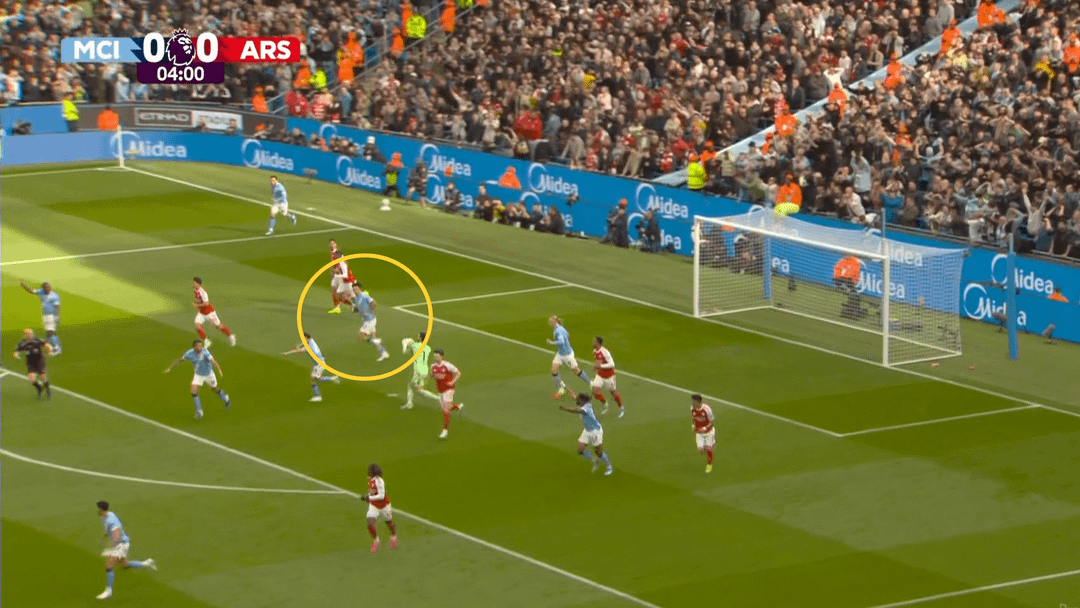
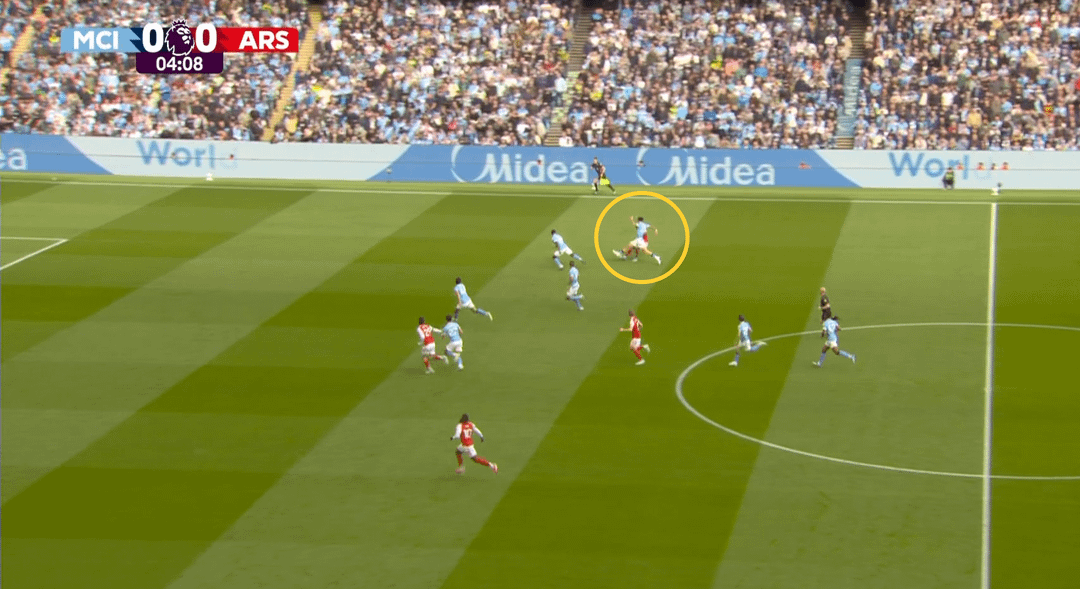
Traditionally — O’Rilley. An outstanding defensive performance from the young Englishman: 2 interceptions, 5 ball recoveries, 3 clearances, 2 blocked shots, 5 duels won (100%). And beyond his defensive duties — a quiet but constant attacking contribution. He operated almost as a second striker next to Haaland, stretched the defence in the half-space with Doku, and found positions centrally to help City beat Arsenal’s press.
The most telling moment: City had just finished a dangerous attack. Four players ran to appeal to the referee for a possible handball by Gabriel. O’Rilley was among the deepest players in attack. Eight seconds later — Nico blocks Madueke’s cross.
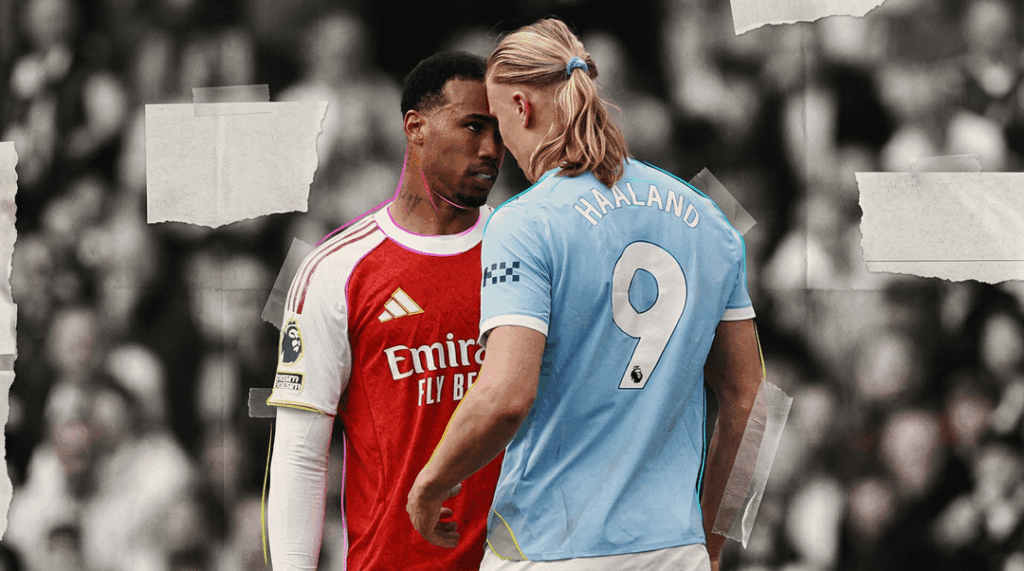
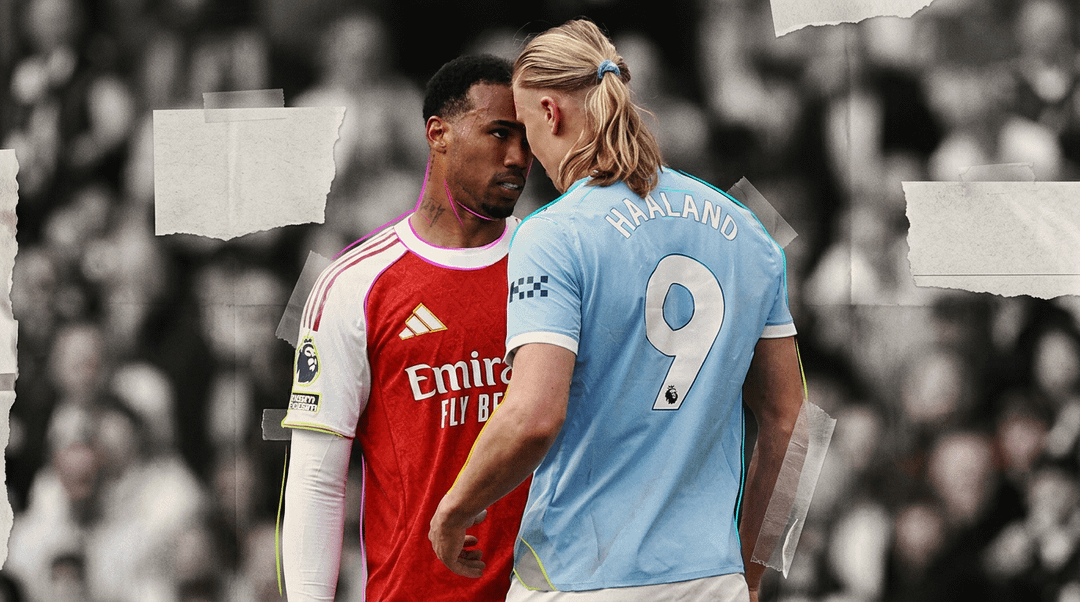
Haaland. Saliba and Gabriel took turns marking him — sometimes together. They kicked him, pulled him, knocked him down, provoked him. Haaland took it all and gave it back. He fought for every ball, pushed defenders off, exchanged a few sharp words on corners. He was targeted all game, and in the climax Gabriel tore his shirt and even headbutted him. Haaland could have gone down — and after a VAR review, Gabriel might have been sent off.
City would have gained a huge advantage, both in the match and in the title race, with Arsenal losing a key defender. Of course, Haaland didn’t think about that in the moment. But he stayed on his feet. He smiled, walked to the referee, received a yellow, and kept working — making runs and tracking back. Maximum respect.
Donnarumma. From what was visible on the broadcast, he made a huge mistake and almost killed City’s momentum — what could be worse? A team scores and immediately concedes, giving the opponent a psychological boost.
The Italian apologized to the fans and teammates, then again at the start of the second half to the supporters behind the other goal — and, crucially, made no more mistakes. Two key saves at 1–1, then he initiated the move that led to the winning goal.
After the final whistle, he immediately ran to the fans behind his goal — he felt responsible for the error and made up for it. A key moment of the match and one of its defining scenes.
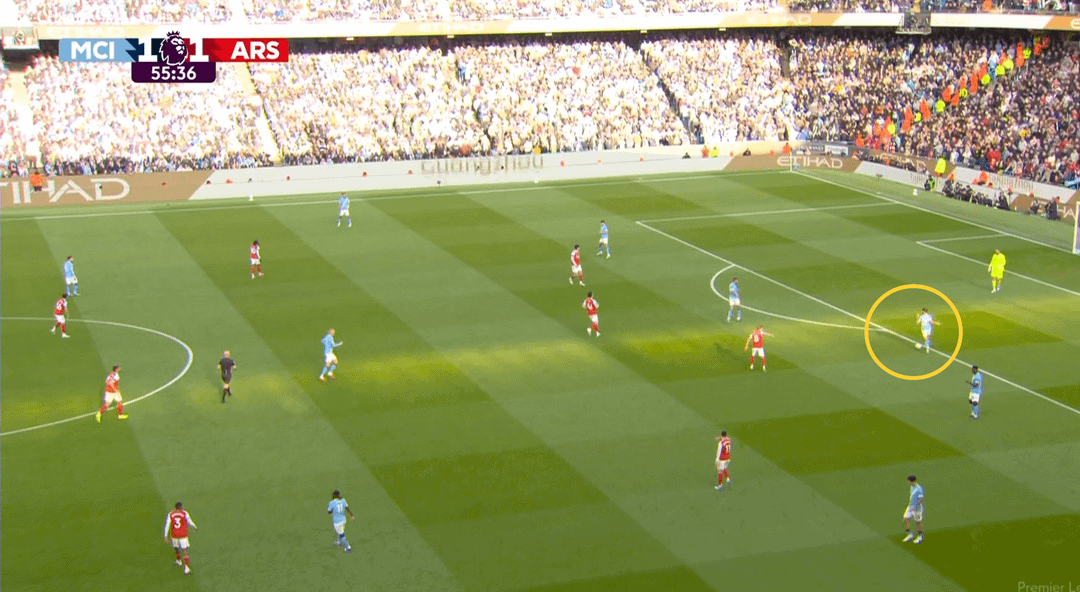
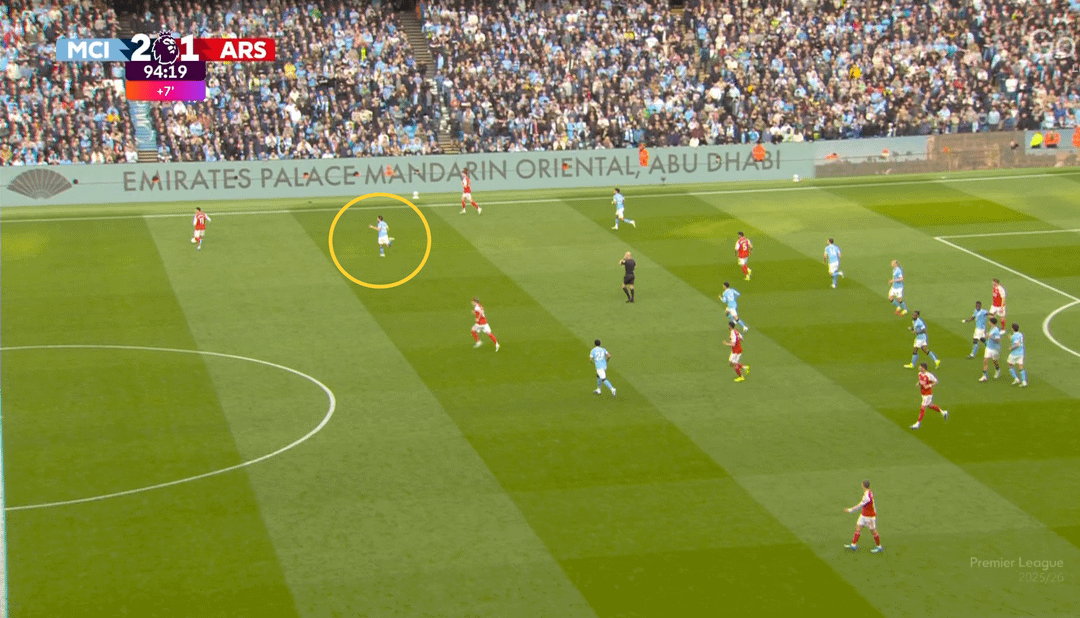
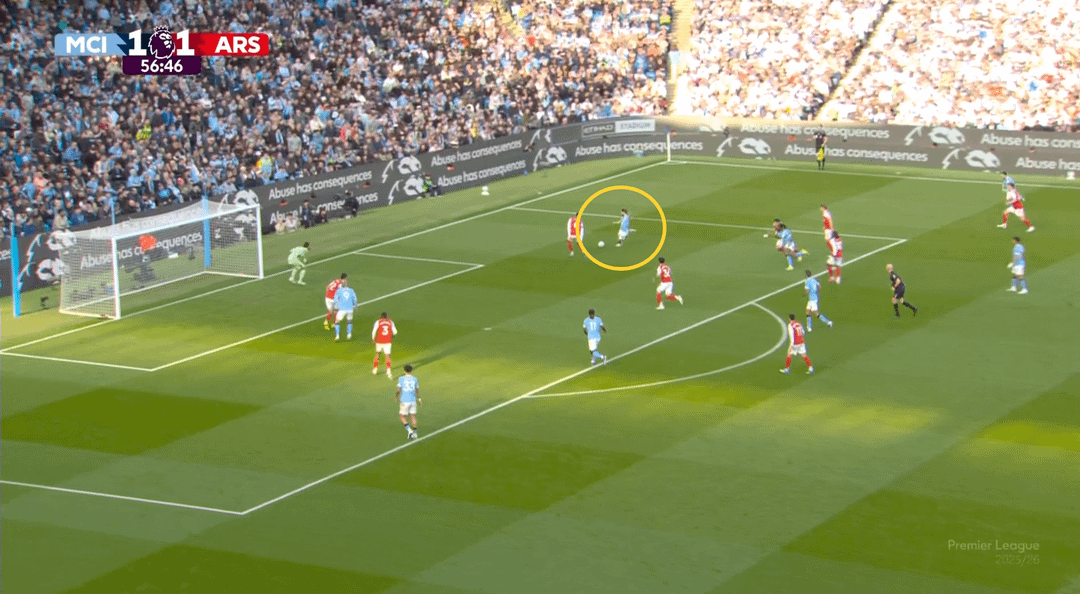
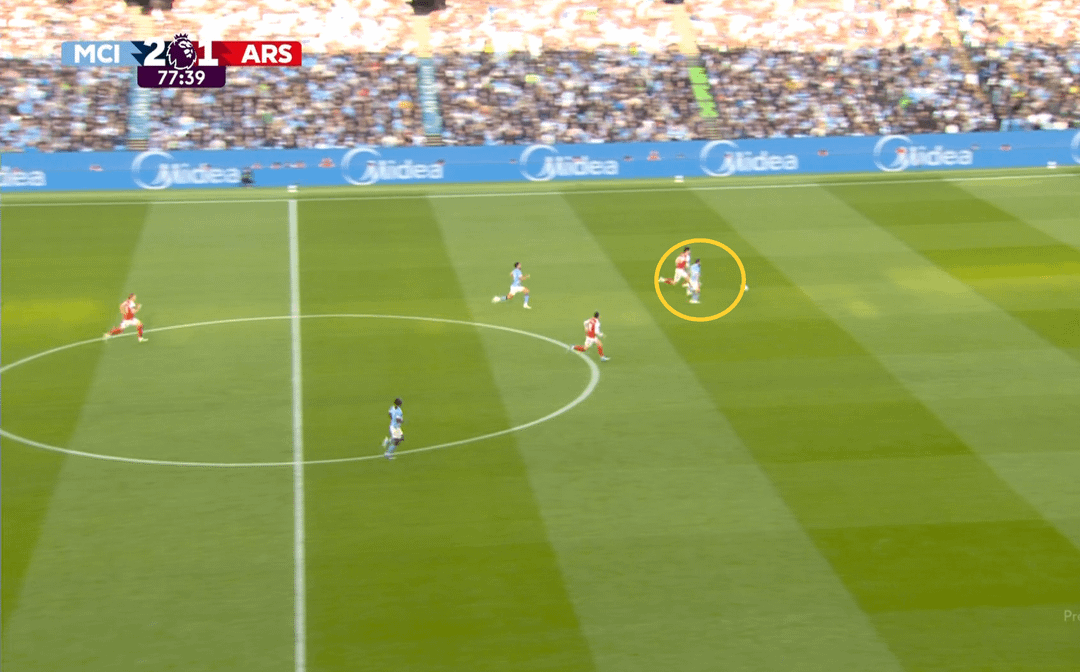
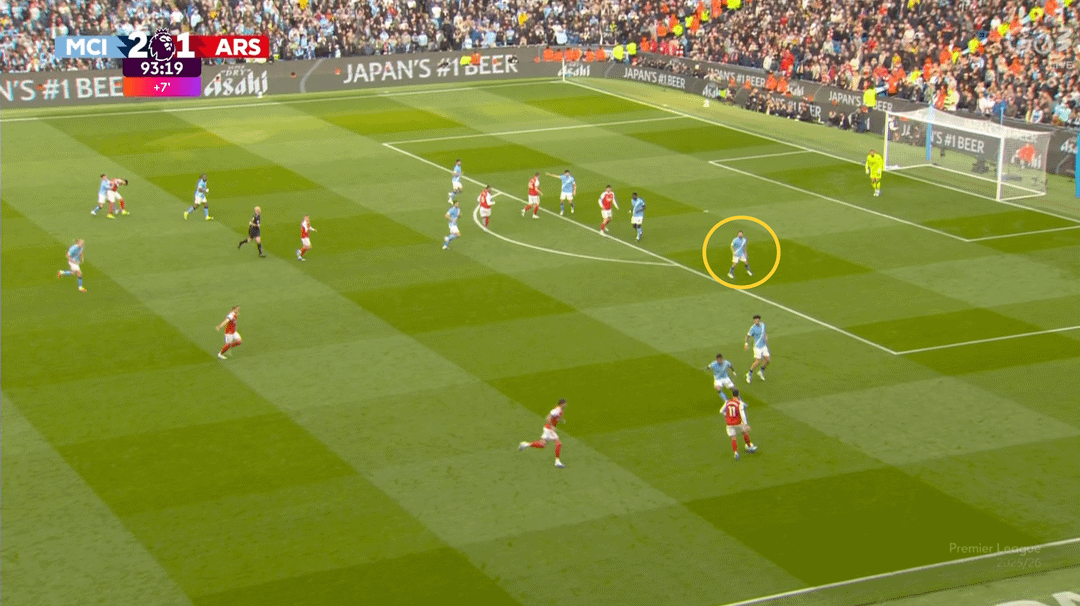
And finally, the most important player. No goals, no saves, no rabona assists. No drama, no spectacle. Just everywhere on the pitch, holding the team together. The most complete player of Guardiola’s era — Bernardo Silva. Or, as Haaland called him yesterday — Bernardo Cannavaro. There’s no need to describe him — it’s better to show it.
Guardiola nearly teared up when asked about Silva in the post-match interview. Not surprising — he probably doesn’t know how he’ll replace a player who can do everything and be everywhere next season.
Manchester City are back in the title race. Six games remain in the Premier League, each one like a final. Haaland summed it up perfectly: “We need to stay humble. Don’t think too much.”
by baldfraud34
1 Comment
Good analysis. It’s “O’Reilly” though lol