
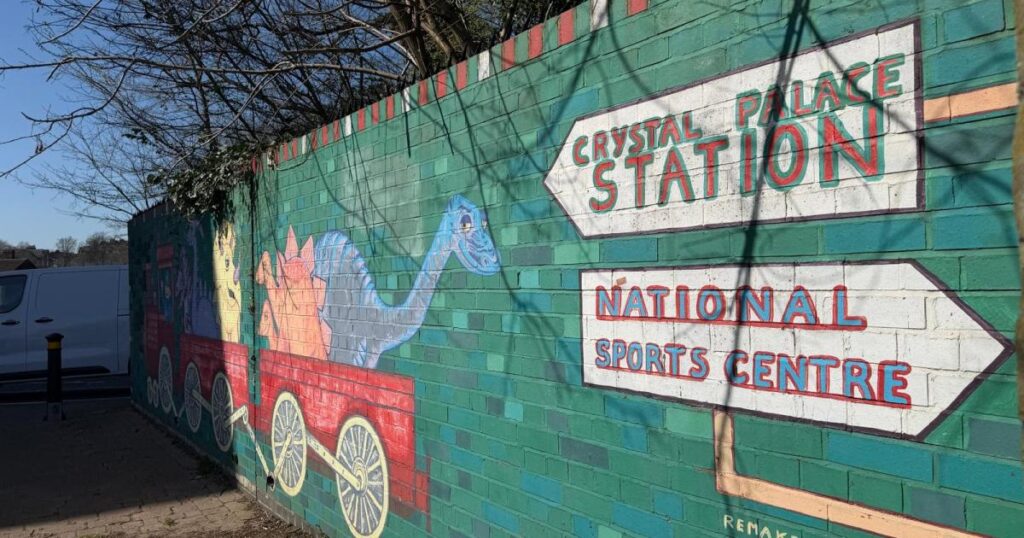
Crystal Palace was originally known as Sydenham Hill before being renamed to pay tribute to the iconic palace built in the mid‑19th century to house the Great Exhibition, designed by Joseph Paxton.
The palace measured around 1,851 feet in length, was made up of more than 293,000 panes of glass, and attracted millions of visitors each year, hosting major events including FA Cup finals and the National Olympian Games, until it was destroyed by fire in the 1930s.
Despite the loss of the building, the area retained its name and remains one of the highest points in London, sitting at around 367 feet above sea level, with sweeping views across the capital from Crystal Palace Park.
The neighbourhood has previously been named one of the best places to live by The Sunday Times in 2016 and again in 2022, praised for its “villagey” feel.
Despite that village atmosphere, Crystal Palace is well connected to the rest of London via National Rail, London Overground and bus services, offering direct links to Victoria, London Bridge and Highbury & Islington.
According to Rightmove, the average house price in Crystal Palace stands at £487,053, with flats averaging £396,492, and the area offering a mix of period houses, converted flats and 1930s semi‑detached homes.
Crystal Palace is home to one of Bromley’s largest green spaces, Crystal Palace Park, which spans 81 hectares and features one of the UK’s largest outdoor mazes.
A sign for Anerley (Image: Instagram user @emmaslittlewanderings)
The park’s Victorian dinosaurs are another key landmark. Built in the 1850s, they were the first life‑sized prehistoric models in the world and recently made an appearance in the TV series Good Omens, starring David Tennant and Michael Sheen.
The park is undergoing a major £22 million restoration project to revive historic landmarks including the Italian Terraces and the dinosaurs, which had previously been listed on the Heritage at Risk register.
Crystal Palace station (Image: Instagram user @emmaslittlewanderings)
Restoration works began in May 2025 and are expected to conclude later this year, with multiple areas across the park under renovation.
Recently, works were completed to build the park’s new dinosaur‑themed playground in March.
Features include a dinosaur skeleton climbing frame, giant egg play elements, basket swings and a footprint‑shaped sandpit.
The playground also includes accessible features such as a wheelchair‑accessible roundabout, picnic benches, accessible slides and swings, adjustable‑height games and a nearby Changing Places toilet.
Other planned improvements to the park include a new visitor centre, step‑free access routes and a redesigned entrance via Penge Gate.
A floral scene (Image: Instagram user @emmaslittlewanderings)
A short walk from the park sits the Crystal Palace Subway, another historic landmark reflecting the area’s Victorian heritage.
Built in 1865, it was once the grand railway entrance to the palace and reopened following a £3.5 million restoration in 2024. It is now open to the public on selected days and managed by the Crystal Palace Park Trust.
Crystal Palace Museum (Image: Instagram user @emmaslittlewanderings)
Beyond its history, Crystal Palace is also known for its sporting links, including Crystal Palace FC at Selhurst Park and the National Sports Centre in Crystal Palace Park, which is set to undergo a major redevelopment.
When it comes to food and drink, Crystal Palace is home to a number of award‑winning venues, from Chatsworth Bakehouse in Anerley Road — recently named in the Good Food Guide — to the historic Alma pub, dating back to 1854.
Some of the area’s other culinary gems include Four Hundred Rabbits, a spot known for its organic sourdough pizzas, craft beers and lively weekend atmosphere, as well as Westow House, a Victorian pub and hotel that holds a TripAdvisor Travellers’ Choice Award.