
It seems like a lifetime ago now, but there was a point back in the mid-2000s when Bournemouth earned a certain singular, and highly unlikely, national title.
Years before the town had become known for its growing digital economy and vibrant student nightlife, it was officially – and briefly – considered the nerdiest place in Britain.
The bizarre revelation came courtesy of a nationwide survey conducted by the internet directory Locallife.
Researchers analysed data from hundreds of towns across the country but did not measure tech startups or coding academies.
Southbourne Chess Club is welcoming new members (Image: Pixabay)
Instead, the metrics of the day were pleasingly old-school.
A town’s geek status was calculated by its abundance of chess clubs, model shops, stamp collecting services, computer game outlets, libraries and online dating agencies.
Bournemouth flew to the top of the leaderboards, with its neighbour of Poole closely following in third place.
The findings stoked the fires of regional rivalry, as the south coast boffins on the geekstakes well away from cities in the north.
Locallife’s chairman at the time, Tony Martin, famously concluded it was the combination of cold beaches, sea air and our proximity to France that drove locals indoors into the arms of a geeky passion.
He said: “For a town sometimes derided as “Gods waiting room” its hardly a surprise that its made it to number one.
Predictably, the local reaction was a combination of outraged civic pride and a sense of affront.
The council pointed out that Bournemouth was a vibrant, all-round destination.
They also defended the town’s twelve public libraries, saying that to use free internet, borrow the latest DVDs, and read, could hardly be dismissed as joyless nerdish pursuits.
Meanwhile, the local stamp-collecting community embraced the moniker.
Organisers of the Bournemouth Stamp Fair mounted a stout defence of their consuming pastime, arguing it was a fascinating and addictive investment.
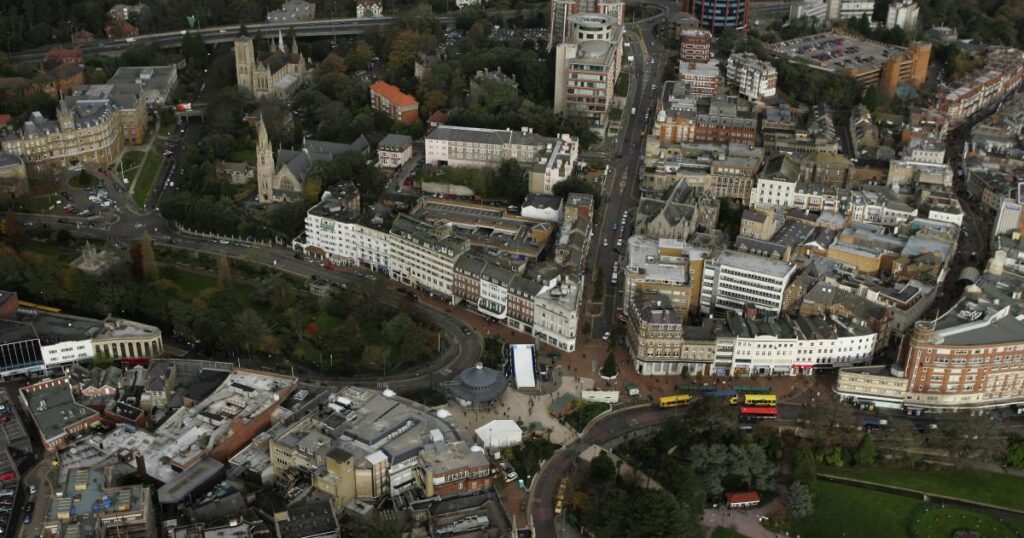
Bournemouth in 2006. (Image: Echo)
But one local councillor recalled ruefully how he was forced to sell his stamp collection to pay for a honeymoon in Venice and had regretted it ever since.
And in a quaintly contrastive defence of the town, he insisted that he actually liked Bournemouth’s elegant, old-fashioned bath chair image, rather than the pubs and clubs which were starting to colonise the high street.
Looking back from 2026, the whole thing seems gloriously quaint.
Today, the geeks and the nerds fan the furnaces of the global economy, geek and nerd culture is mainstream culture.
If Bournemouth’s preference for computer games and surfing the web was less a source of pride than a source of quiet satisfaction, we may have won the crown off the back of model shops and stamp fairs, but it just goes to show that beyond the traditional seaside resort facade, Bournemouth has always had a uniquely curious, fiercely passionate and brilliantly nerdy soul.