
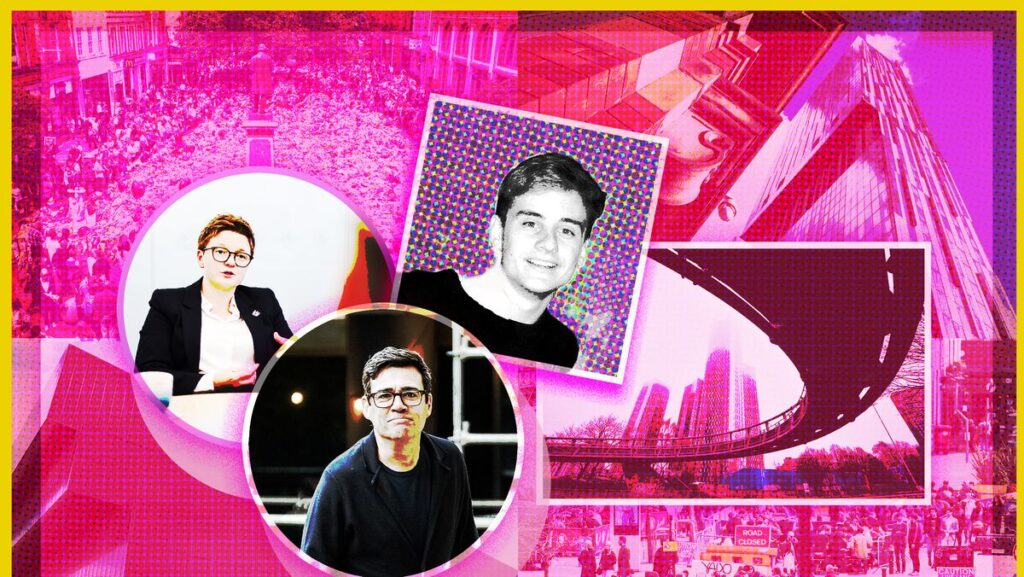
“A small boy clambers up stadium steps for the very first time and, without being able to do a thing about it, falls in love.”
It’s a brilliant Bobby Robson quote describing how football fans fall in love with their club. But it perfectly describes how thousands move to Manchester, like me, and never want to leave.
I came from the other side of the Pennines for university. Within four days I knew I was going to stay for a long time.
Get MEN Premium now for just £1 HERE
Bizarrely enough given its questionable reputation, my ‘clambering up the steps’ moment came when I walked over the tram tracks at Piccadilly Gardens. Manchester felt like a big place where a lot of things happened.
I waxed lyrical to any non-Mancs who’d listen to how brilliant a city it is, and they’d always ask why. But I never had a succinct answer to that question until another quote came along 10 years later.
“It’s like everyone is plugged into the mains somehow,” said Jeremy Clarkson last December, somewhat unexpectedly given the Yorkshireman’s past Mancunian negativity.
He’s right. There is an energy here which people can feel. I know, because I’ve been living and breathing the city centre for 10 years now.
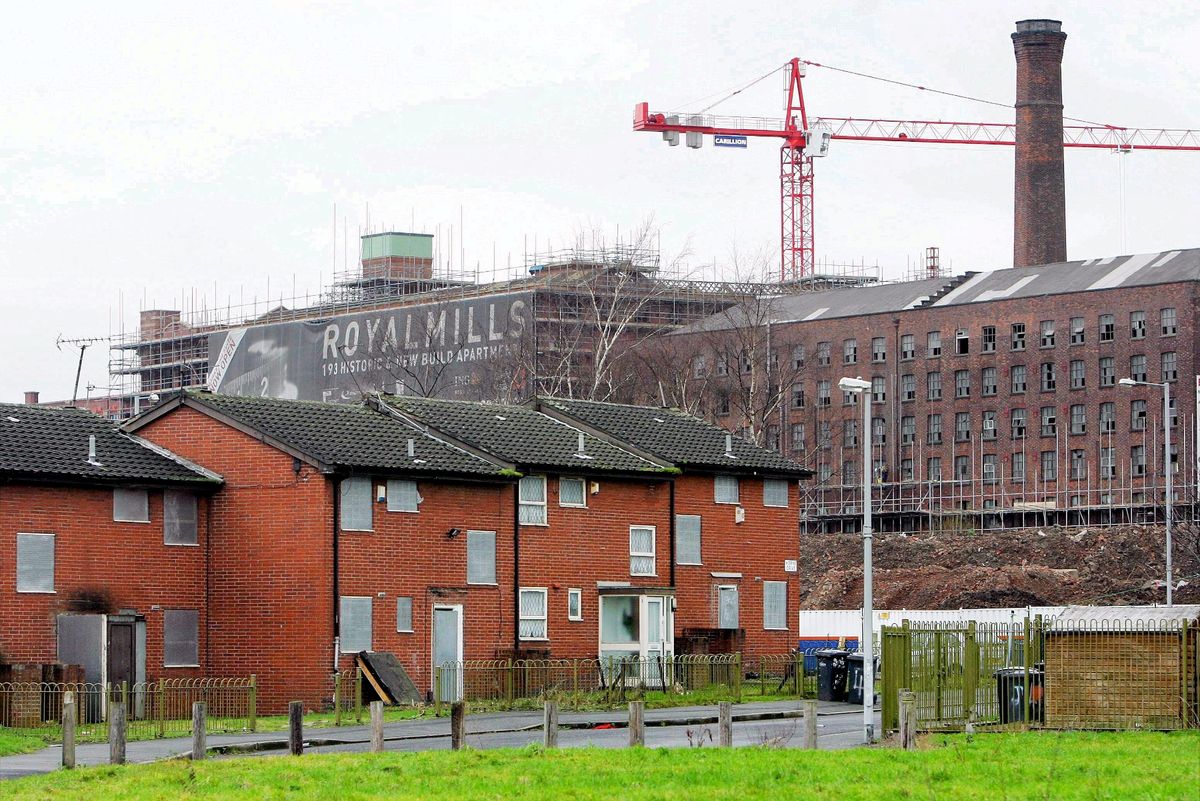
The Cardroom Estate in Ancoats was pulled down in 2005, but the area retained its reputation for dereliction 10 years later when Ethan moved over(Image: Manchester Evening News)
But that’s a place which has changed beyond recognition, even in a decade. Just look at Ancoats then and now.
In my first couple of years Sankeys in Beehive Mill was the place to be. Ancoats had a gritty edge, which I met first-hand.
After meeting some friends for what you’d call ‘more than several drinks’ at their halls of residence next to the university’s tired modernist Renold Building near Sackville Gardens, I was robbed inside ‘old Sankeys’ by two men.
Fortunately, fashion trends of the day dictated that lads must wear the tightest jeans imaginable, so they could only pick-pocket my bus pass and driving licence.
That was summer 2016. Nearly a decade on, I attended an event hosted by Andy Burnham in that very same university building, now repurposed as high-tech offices.
Coincidentally I then made a similar walk up to Ancoats, now looking and feeling completely different thanks to thousands of new flats, Neapolitan pizza, and wine bars. I was robbed again last week: A pale ale cost £6.80.
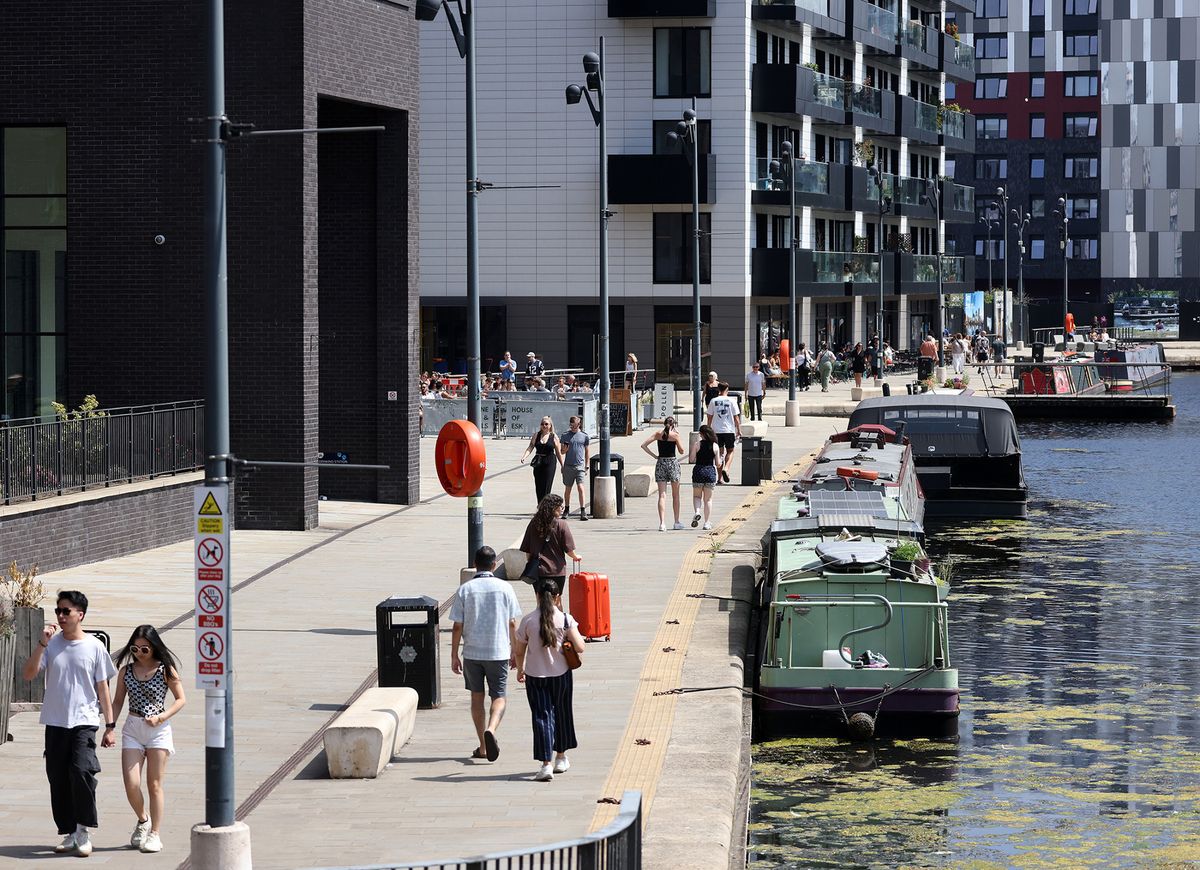
Ancoats today is marked by cool urban living and wine bars(Image: Sean Hansford | Manchester Evening News)
A big place going places
Whereas it’s relatively easy to pinpoint when Ancoats began getting some love (2015), it’s harder to say when the rest of town started to feel like it does today — a popular place to visit and live where people want to soak up the vibe, eat well and dabble in the industrial history and cultural heritage.
My best guess is everyone realised Manchester could become a major European destination when Pep became City manager and Mourinho took over at United in 2016. These two giants of football had just battled for Champions League wins in Spain, and now they were sharing a postcode.
While one’s tenure ended far more successfully than the other’s, both clubs attracting that level of talent only pushed Manchester’s prestige up.
(Image: Manchester Evening News)
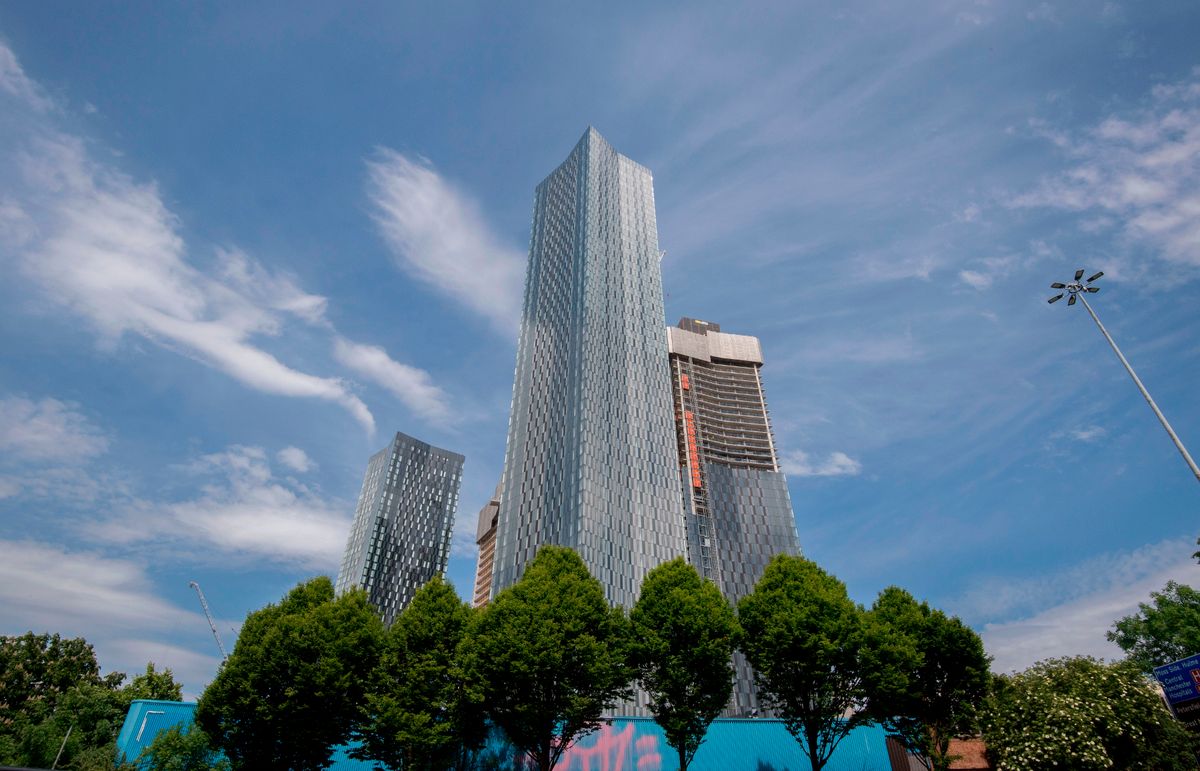
Building the Deansgate Square towers in 2018 did a similar thing. They showed thousands of people, mostly from abroad, would pay hundreds of thousands to live in Cottonopolis luxury.
Their construction also created the unfortunate side effect of causing numerous near-misses as Mancunian Way motorists gazed out of their windows, transfixed by the steel and glass monoliths. I was one: It felt almost alien to see such tall buildings in a part of the world where we don’t elongate our A’s.
See also Mana’s Michelin star in 2019, which I lived almost directly above at the time. And while I couldn’t afford their million-course tasting menu, I now lived in a place where people would come from far and wide to watch its football teams, eat its food, and live in luxury.
Goosebumps
Those things only affected a tiny slice, though. The major change to how everyday Mancunians think about Manchester came on May 22, 2017.
You could taste the shock following the Arena attack. It felt like an entire city couldn’t understand what happened and why it happened.
Faced with this confusion, leaning into anger and fear would have been the easy option. But Mancs turned away from hate and chose love.
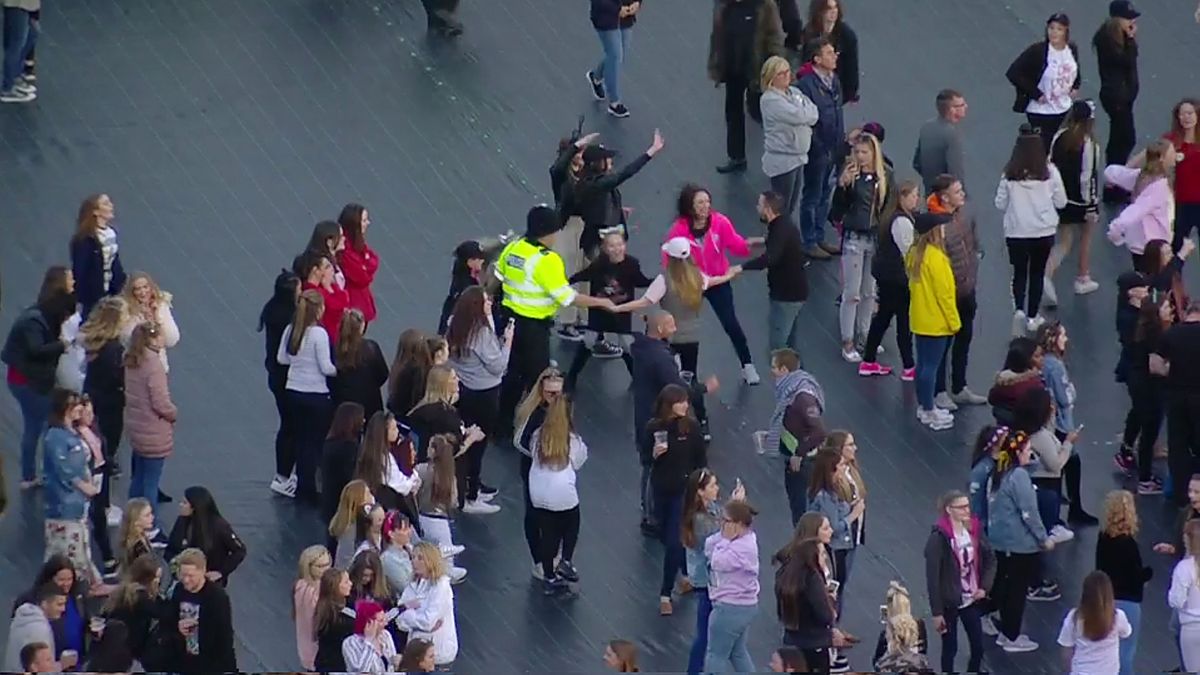
PC Paul Taylor dances with children at the One Love concert held just over a fortnight after the Arena bombing(Image: PA)
I still get goosebumps when I picture the sea of flowers in St Ann’s Square, think about the police officer playing with children at the One Love concert, or mourners bursting into ‘Don’t Look Back In Anger’.
By taking this path, it solidified the notion in our collective psyche that Manchester is a welcoming place that would accept you for who you are. One of the bomb’s most obvious legacies is the fact that the bee symbol is everywhere now.
While some argue it’s over-used, it means we have frequent reminders to stay strong and be friendly. Another legacy was exposing how poorly run GMP and the fire service were, both of which have dramatically improved to make it feel safer in town — Piccadilly Gardens is far from perfect, but the noticeable jump in police since the pandemic is welcome.
Puffed out cheeks and ‘lovely eyelashes’
If you’re going to do a retrospective of the city centre from 2015-2026, you can’t not mention Covid-19. I’ll be brief because being cooped in a Salford flat meant my pandemic went on torturously long.
It was there where I watched the infamous Andy Burnham press conference on October 20, 2020, when he puffed out his cheeks in response to new Covid restrictions without government support. As a northerner, it felt like politicians in London had literally put a price on how much my life was worth, and it was a lot lower than someone in the Home Counties.
Because the government U-turned within a few hours, it meant Manchester’s didn’t change directly. But it gave Andy Burnham a greater national profile as ‘King of the North’, adding to his popularity.
And in my years as the M.E.N.’s man in the town hall, I’ve been able to see how he can wield his notoriety to get things done. Whatever you think of the man, having a mayor who is well-known across the world (even if it’s for one press conference and ‘lovely eyelashes’) only helps Manchester.
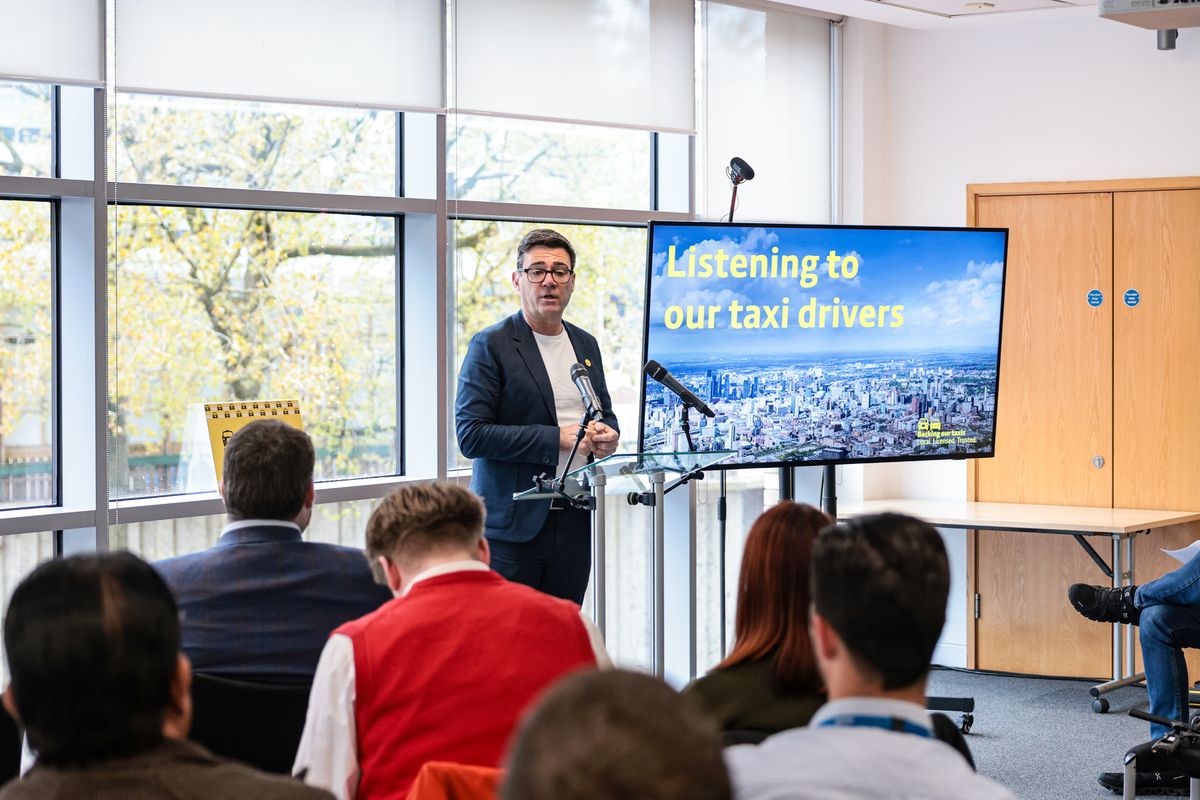
Ethan (red jumper) covered countless Andy Burnham press conferences, holding a ring-side seat to the latest developments in the city(Image: Manchester Evening News)
The episode emboldened Burnham, as did appointing Caroline Simpson as his chief exec and seeing Bev Craig become Manchester council leader. In a few short years, it feels like you can see the difference in Burnham’s confidence.
My first press conference covering the mayor was October 2021, when he announced the vision for the Bee Network. While he was chipper, it was apparent Burnham still lacked the absolute confidence his vision would be delivered in its entirety.
That may have been due to his foresight of battles for funding with the government, legal challenges from bus companies, and convincing council taxpayers to stump up the bill.
But in my last presser, when he announced £400 million of public funding for new housing, transport, and infrastructure for a Ryder Cup bid, the mayor was bullish that he would achieve these projects on time and to the required standards, despite having similar hurdles in the way.
“Shall we sauna?”
As town emerged from the pandemic, it just kept getting busier. It still does.
Co-op Live’s eventual opening has changed Manchester city centre massively. As soon as it fully got into the swing of things, footfall records in town began to tumble. People started coming from further away (although a lot of them seem to be German, I found out recently) for a concert and to soak up the ‘Manny vibes’.
What are Manny vibes, anyway? Famously we think ‘a table’s for dancing on’, and there’s no question there’s still space to be raucous in town. But one three-word WhatsApp message in 2024 revealed how Mancs want to spend their time.
“Shall we sauna?”
It was a simple invitation to Kontrast, one of a number of new wellness spots which have taken over town along with padel courts. But I wasn’t being invited by a hummus-munching, matcha latte-sipping influencer: It came from my pal from Tameside that’s had a City season ticket since David James’ short stint as a striker.
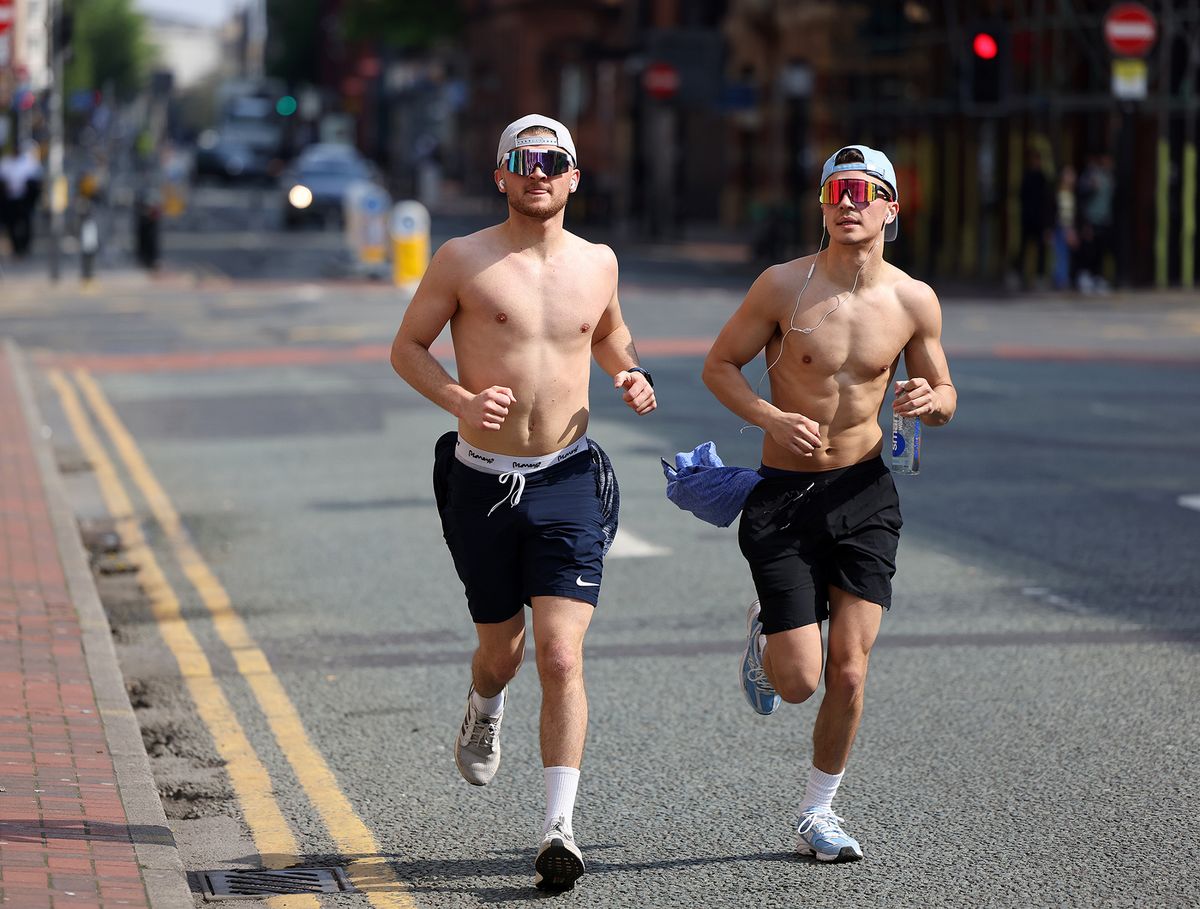
Taking care of yourself seems to be the ‘in’ thing these days(Image: Sean Hansford | Manchester Evening News)
I said yes, and when I arrived I realised hosing your liver down with WKD was no longer trendy: Looking after yourself was. Lads from Miles Platting had cycled down just ‘chill’ in the sauna and plunge into an ice bath after they ‘banged gym’.
There were some influencer-types there too, but they were vastly outnumbered by young Mancs who would usually be expected to be out until God knows when. It’s a sign Mancs want to look after themselves.
And I think it’s because they want to be active participants in everything the city has to offer, like run Peel Parkrun, eat Michelin-recommended food at Higher Ground, drink Fort coffee, walk along the canals, see some the eclectic gigs, and find the latest fashions in the Northern Quarter.
It’s hard to do those things when you’re hungover. I know because I’m trying to squeeze my favourite things in before I leave Manchester next month.
The future
I’ve been asked a lot why I’m heading to Melbourne, and the truth is there are lots of reasons — but they all come back to one central idea: I want to see if somewhere else can be as good as Manchester.
If it is? Great, I’ll stay down under for a bit. If it’s not? Great, I’ll move back here.
Whatever happens, town will continue to change in my absence. Having spoken to town hall officials, investors, and business owners over the last few years, this is what I think we’ll see.
Most obviously, development will start to move outside the inner ring road. Recently-announced blueprints for Water Street, next to Trinity Way, are called ‘the last major city centre regeneration’ opportunity.
We’re already seeing development of skyscrapers in Cheetham Hill, which will only accelerate when the Strangeways masterplan kicks into gear, and the council has massive plans for Holt Town (sandwiched between Ancoats and the Etihad) that even include a lido.
That will spread the city centre out more, something the town hall is about to formalise with its new city centre map that now calls almost everything from Moss Side north to Queens Road town. Inevitably, Manchester will become more suburban — a bit like London.
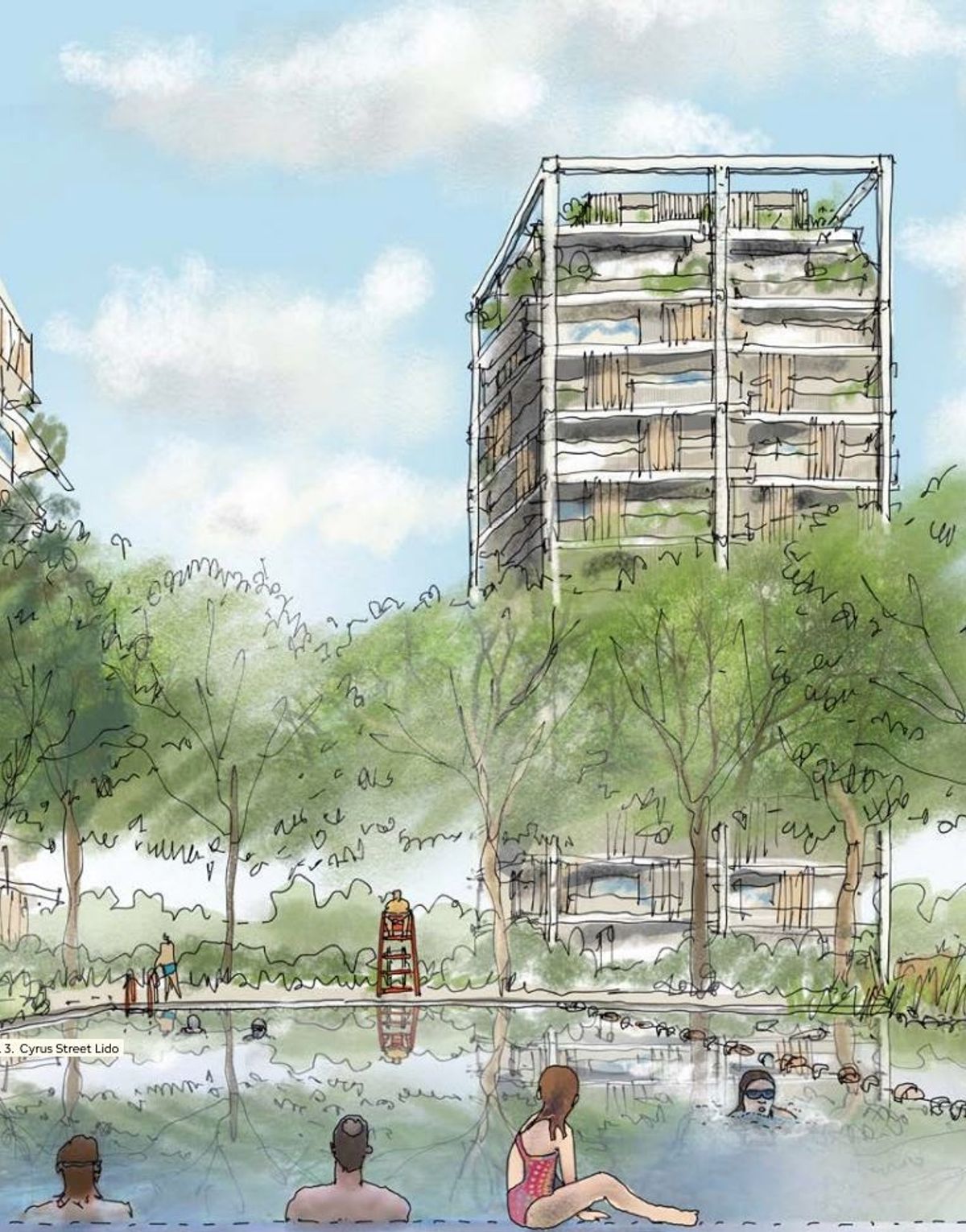
The lido planned for Holt Town(Image: Copyright Unknown)
We’ll have greater distances to travel, which might be easier when Bee Network rail gets going later this year and is completed by 2028, promising one ticket across the train, tram, and bus. But Metrolink keeps having its busiest ever day, the roads can clog up, and Manchester’s got some of the most congested railways in the country.
More journeys on already-busy public transport adds weight to the argument to make the biggest-ever change Manchester’s seen: Tunneling under town.
Leaders want to see three tunnels (N-S, NE-SW, and NW-SE) by 2050, all centred around a new underground Piccadilly station. They’re pushing hard — at the recent MIPIM property conference in Cannes, Mancs said a subterranean station would create room for 13,000 flats and 40,000 jobs alone.
It’s easy to say this will massively change Manchester economically. What’s harder to say is how this will affect the vibe.
Town is buzzing at the moment, but a lot of Mancs still can hold a connection to it. While the primary schoolteacher isn’t going to Skof like visiting TV execs do, they still feel at home in the Northern Quarter.
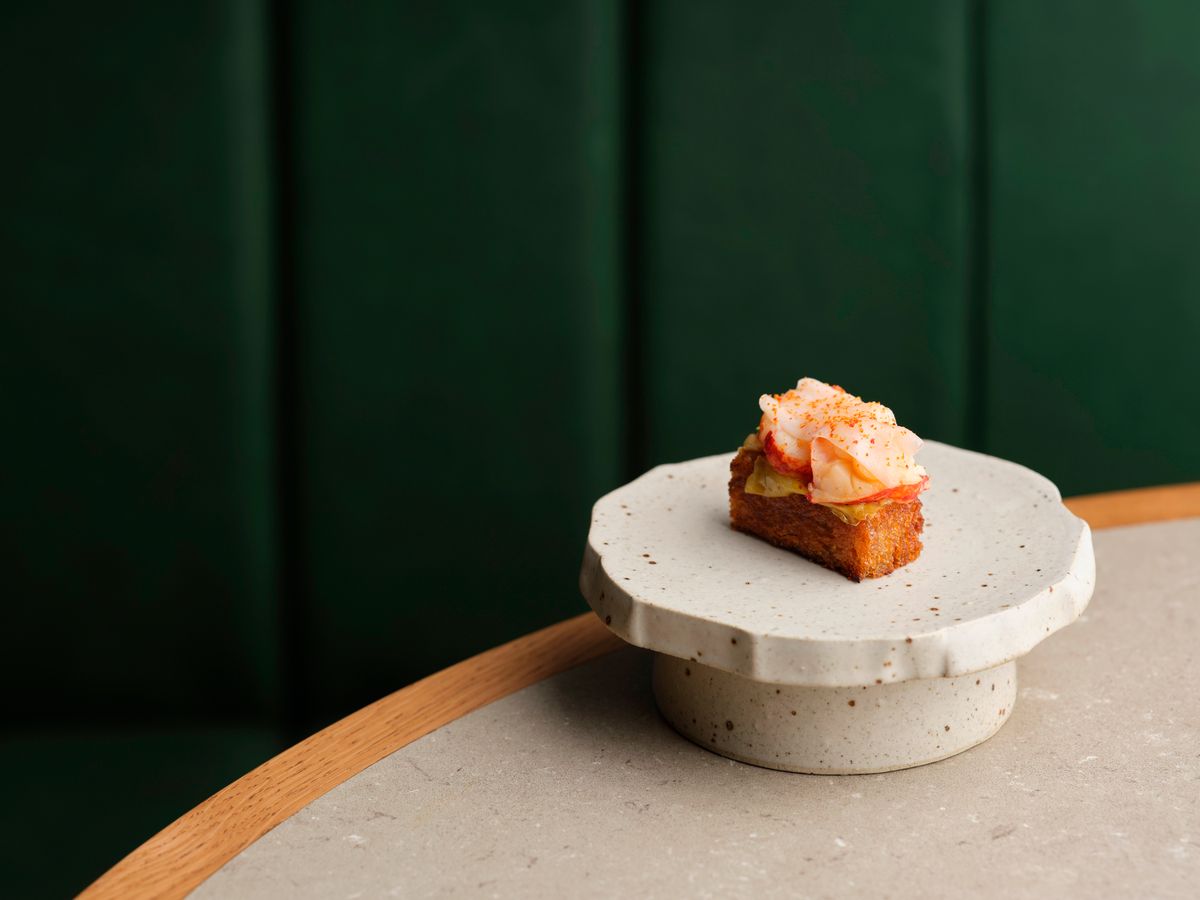
Skof, the city’s second Michelin-starred restaurant, is probably priced out of reach for everyday Mancs(Image: Cristian Barnett)
Fundamentally, this place remains northern. If it gets busier and busier with more and more new arrivals, as would likely happen if Burnham’s ‘growth cluster’ plans become reality as he hopes, the city will feel more international.
Again, that might make Manchester feel more like London, where people from all four corners of the globe come in to make their way in life. Another worry is an influx of development will lead to born-and-bred Mancs being priced out living in the city centre, with the explosion of luxury apartment construction inflating rents, the town hall said in 2024.
Burnham’s long-term plan is to train teenagers for well-paying jobs under his Greater Manchester Baccalaureate (MBacc). But given the MBacc is only just hitting its stride, it will take a decade to see if today’s 14-year-olds who go down the technical education path can compete with university graduates from out of town.
In the interim, Manchester council is on-track to build 10,000 affordable homes by 2032, with thousands in the city centre. However, its housing waiting list already has 19,000 names on it, so it would appear even more building will be needed to make town accessible for everyone.
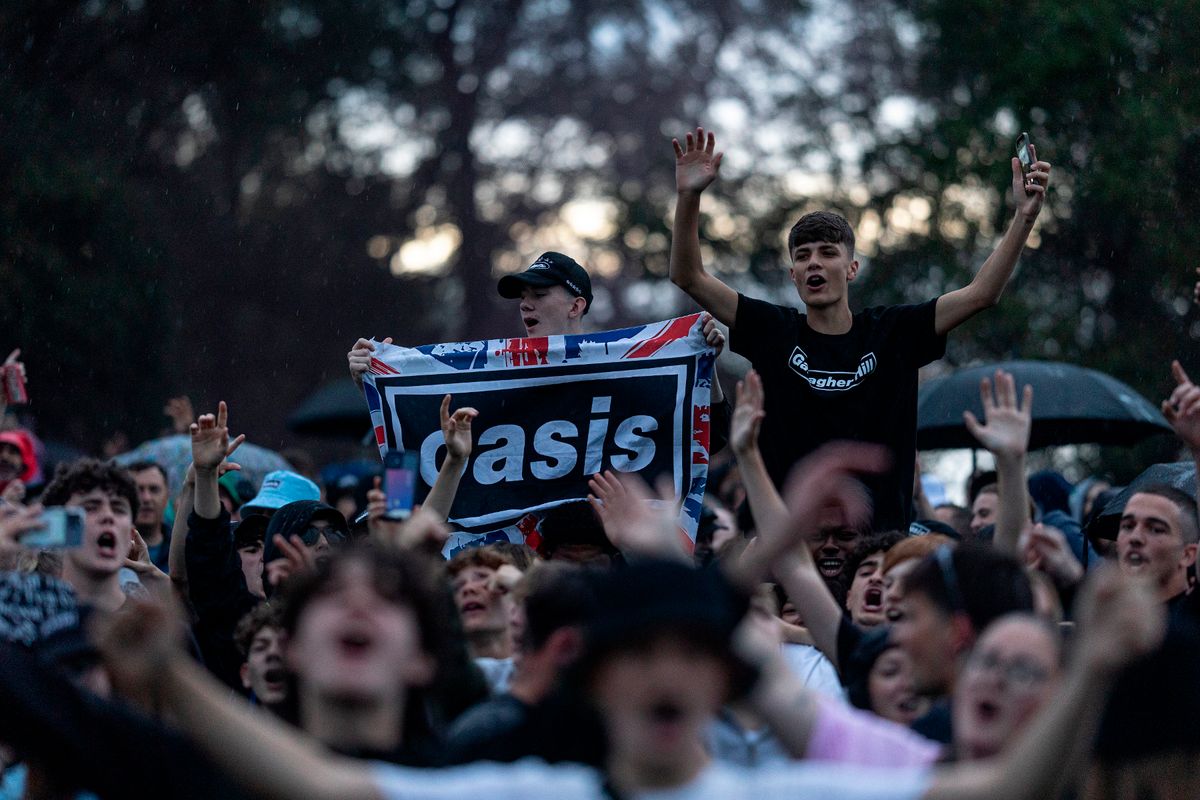
Oasis fans on Gallagher Hill last summer gave Manchester an electric buzz for weeks(Image: Ryan Jenkinson | Manchester Evening News)
The challenge leaders admit privately is how do you make Manchester an international powerhouse capable of hosting the Olympics without diluting its Mancunian spirit.
A decade isn’t too long so I’m confident that spirit won’t have evaporated by 2036, but the next 10 years will define what it is to be a Manc — as the city goes from being the capital of the north to one of Europe’s shining lights.
Whatever happens, I’m sad to be leaving Manchester. But going away just makes me more excited to come back.