
Why Fulham makes the list
The Sunday Times judges describe Fulham as an upmarket suburb of “quietly ornate stuccoed Victorian streets, chilled-out cafés and cracking pubs” that is “content simply to be a jolly nice place to live: unassuming but reassuringly well-heeled.”
Rather than chasing trends, Fulham’s appeal lies in its everyday liveability – smart terraces, neighbourhood restaurants and a village-like feel despite being firmly in inner London.
Schools, transport and green space
Fulham stands out for its “high-flying” state and independent schools, which was a key factor for the Sunday Times judges when assessing family appeal.
It is also extremely well connected, with District line services from Fulham Broadway and Parsons Green, Overground and National Rail links nearby, and buses and riverboat services giving commuters multiple options into the West End and the City.
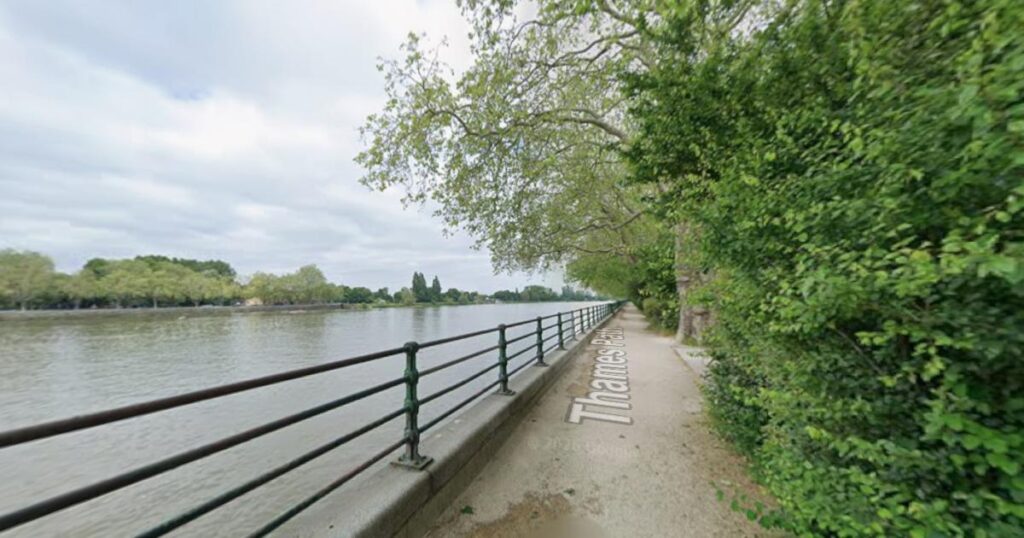
Green space is another major part of the package: Bishop’s Park and the riverside path, Eel Brook Common, Hurlingham Park and South Park offer everything from weekend football and tennis to playgrounds, a skate bowl and quieter corners to escape the traffic.
This mix of parks and Thames-side walks is one of the characteristics the Sunday Times team looks for when it talks about “access to high-quality green spaces” in its judging criteria.
Property prices and who lives here
Fulham does not come cheap.
The Sunday Times cites an average house price of about £1.09 million in SW6, based on figures supplied by Lloyds Banking Group for the 2026 list.
Across the wider borough of Hammersmith & Fulham, official data put the average sale price at £714,000 in December 2025 – still the fifth highest in London – with typical monthly rents around £2,687 in early 2026.
That price point shapes the neighbourhood: Fulham is particularly popular with professional couples, young families trading up from smaller flats, and international buyers who want period housing, good schools and a quick ride into central London.
The Sunday Times notes that its selections prioritise “thriving locations with a strong sense of community rather than famous names with high house prices”, and Fulham’s community feel – from busy local high streets to active park-user groups – is part of why it makes the cut.
How Fulham compares to other London picks
In this year’s Sunday Times list, Fulham sits alongside Richmond (named the overall London winner), Bow, Crouch End, Plumstead, Southwark (Bermondsey-Waterloo) and Walthamstow as one of seven London locations judged the best places to live in 2026.
While Richmond takes the crown for riverside calm and a “small town in a big city” feel, Fulham offers a slightly more urban, densely packed slice of west London that still scores highly on cafés, pubs, parks and transport, if you can afford the housing costs.