

23.06.2026
16:20
source:
StadiumDB.com ;
author:
Paulina Skóra
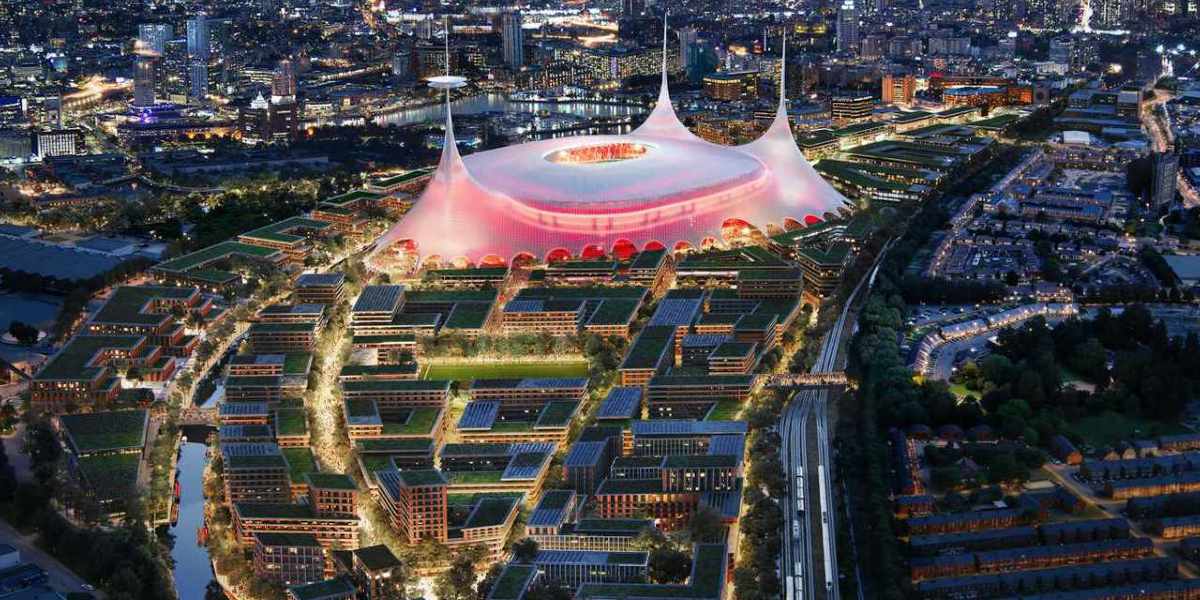
Manchester United has taken another major step towards building its new stadium. The club has acquired more than 10 hectares of land behind the Stretford End, where a 100,000-seat arena could be built, with further details of the wider Old Trafford regeneration plan set to be revealed on 9 July.
25 Acres acquired for Manchester United’s new stadium
According to information released by the club, Manchester United has secured a triangular parcel of land located between Wharfside Way, Europa Way and John Gilbert Way. The site is situated behind the Stretford End and covers approximately 25 acres (more than 10 hectares). The acquisition marks a major step forward in the club’s plans to build a new stadium and redevelop the surrounding area.
The construction of a new stadium forms part of a broader regeneration programme for the Old Trafford district. The initiative is being overseen by the specially established Old Trafford Regeneration Mayoral Development Corporation (MDC), whose objective is the comprehensive redevelopment of the area surrounding Manchester United’s current stadium. If completed as planned, the new venue could accommodate around 100,000 spectators, making it the largest football stadium in England.
The proposed New Trafford would be built very close to the existing Old Trafford. Club officials believe this approach will preserve the site’s historic identity and maintain the traditions associated with matchdays. The opportunity to build a stadium so close to Old Trafford allows us to preserve the heritage and atmosphere that are incredibly important to our supporters, said Collette Roche, Executive Director of the new stadium project.
The club has also highlighted the importance of transport infrastructure. The chosen location is expected to support future expansion of the Metrolink tram network and improve integration with existing rail services, helping accommodate tens of thousands of supporters travelling to matches.
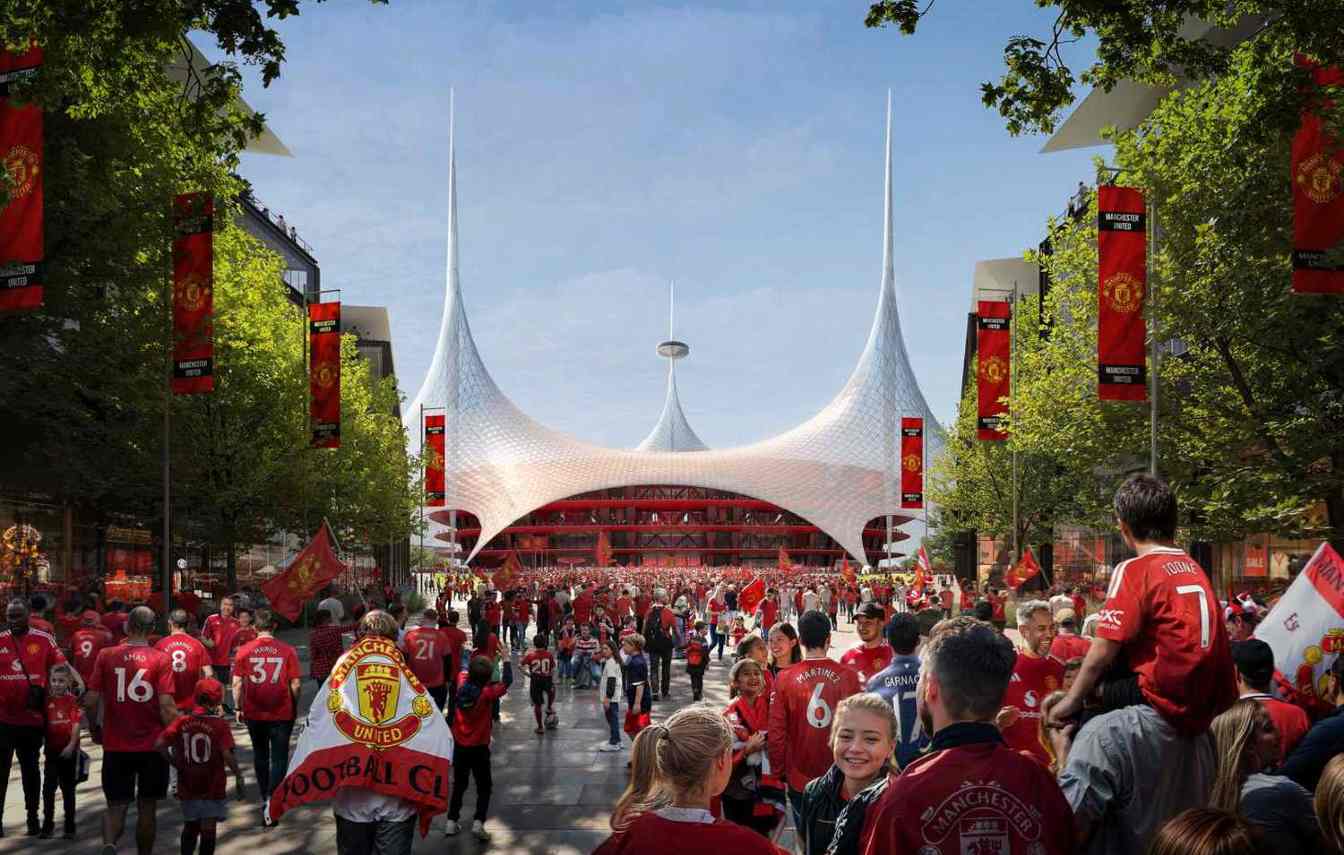 © Foster + Partners | Manchester United has acquired more than 10 hectares of land behind the Stretford End, taking another major step toward building a new stadium for around 100,000 fans.
How will Manchester United fund the project?
One of the most frequently asked questions concerns the financing of the development. Manchester United has not disclosed how much was paid for the land or how the acquisition was funded. However, in June the club announced that it had secured £550 million in financing (approximately £415 million in net proceeds), primarily intended to refinance existing debt. It remains unclear whether part of those funds was also used to purchase land for the stadium project.
The site was acquired from Indurent, a company within the investment portfolio of Blackstone. The club has not confirmed whether this is the same parcel reportedly purchased by Blackstone in 2023 for approximately £275–280 million, according to British media reports.
 © Foster + Partners | Details of the Old Trafford regeneration plan are set to be presented on July 9, with Manchester United’s new stadium potentially becoming the largest football stadium in England.
Key date for the stadium project set for July
More information about the overall development is expected to be revealed on 9 July, when the masterplan for the wider Old Trafford regeneration area is scheduled to be presented. The document is expected to show how Manchester United’s proposed new stadium will be integrated into the broader redevelopment strategy for this part of Manchester.
For the club, the announcement will represent another significant milestone in a project that could reshape both Old Trafford and the landscape of English football for generations to come.