

These Merseyside landmarks served as beacons of arriving home, meeting places for friends, and places of work and leisure
15:30, 21 Jun 2026Updated 15:31, 21 Jun 2026

The Old Hall Street bridge in 2001, shortly before it was dismantled. It was built as part of the Liverpool walkway system in the 1970s
Merseyside is a region known for its landmarks, grand architecture, and iconic structures, many of which have defined the city for decades. Yet as the years pass, many familiar sights that generations grew up with have vanished from our city’s skyline forever.
Long before the digital era, these landmarks served as beacons of arriving home, meeting places for friends, and places of work and leisure, while others were known structures woven into the fabric of life in Liverpool and the surrounding area.
In some cases, they were demolished in the name of progress and regeneration or underwent total reconstruction. However, for numerous Scousers, they remain etched in our memory.
We’ve taken a look back at 10 landmarks from old buildings, to transport systems, zoos, factories, and more that are no longer around but were a significant part of Liverpool’s past.
Liverpool Boxing Stadium
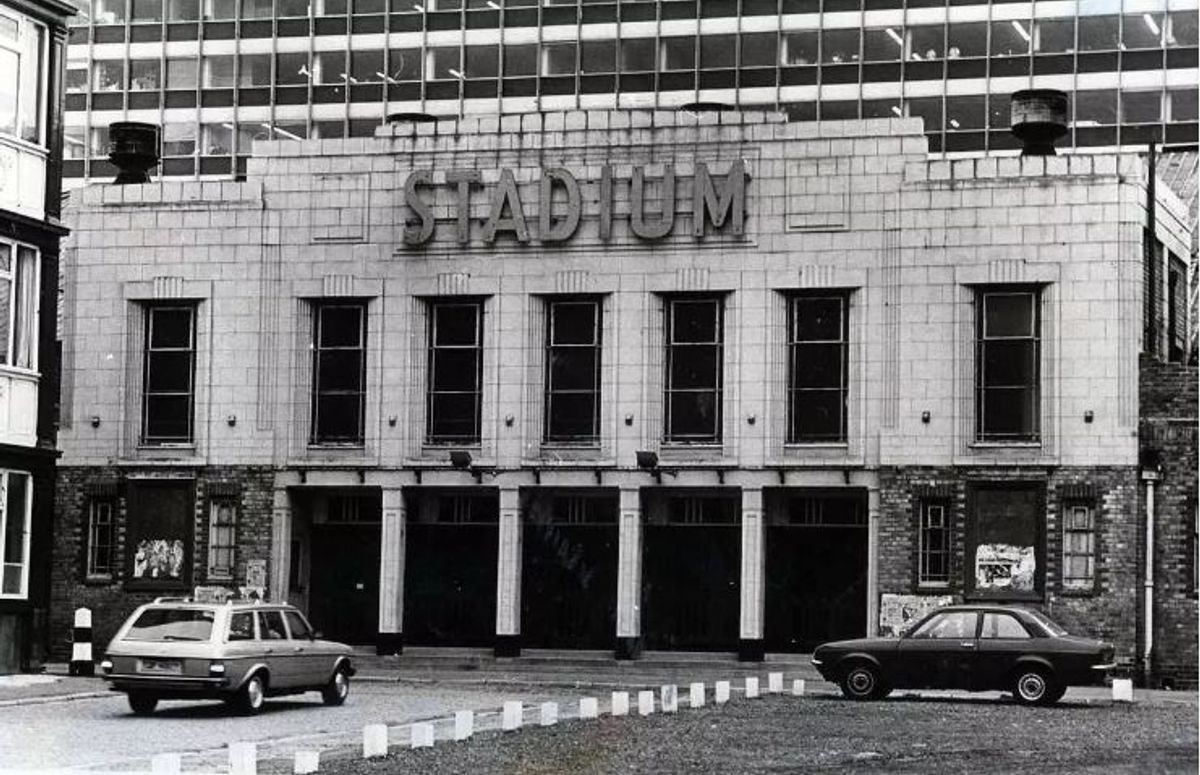
Liverpool Boxing Stadium was built on the land once occupied by St Paul’s Church and its surrounding graveyard(Image: Mirrorpix)
Located on the site of a former graveyard of St Paul’s Church, at the north end of Bixteth Street, Liverpool Stadium was the UK’s first purpose-built boxing arena.
The original Liverpool Stadium opened in 1911 and was located on Pudsey Street off London Road, but when demand grew, the new stadium was built on the St Paul’s Church site and hosted hundreds of the city’s top boxers, including Nel Tarleton, Ernie Roderick, Alan Rudkin and former World champion John Conteh.
The final boxing match was staged there in 1985, and two years later, in 1987, the site was demolished. A commemorative stone now sits in St Paul’s Square just yards from the ECHO‘s offices at number 5.
Tate & Lyle factory
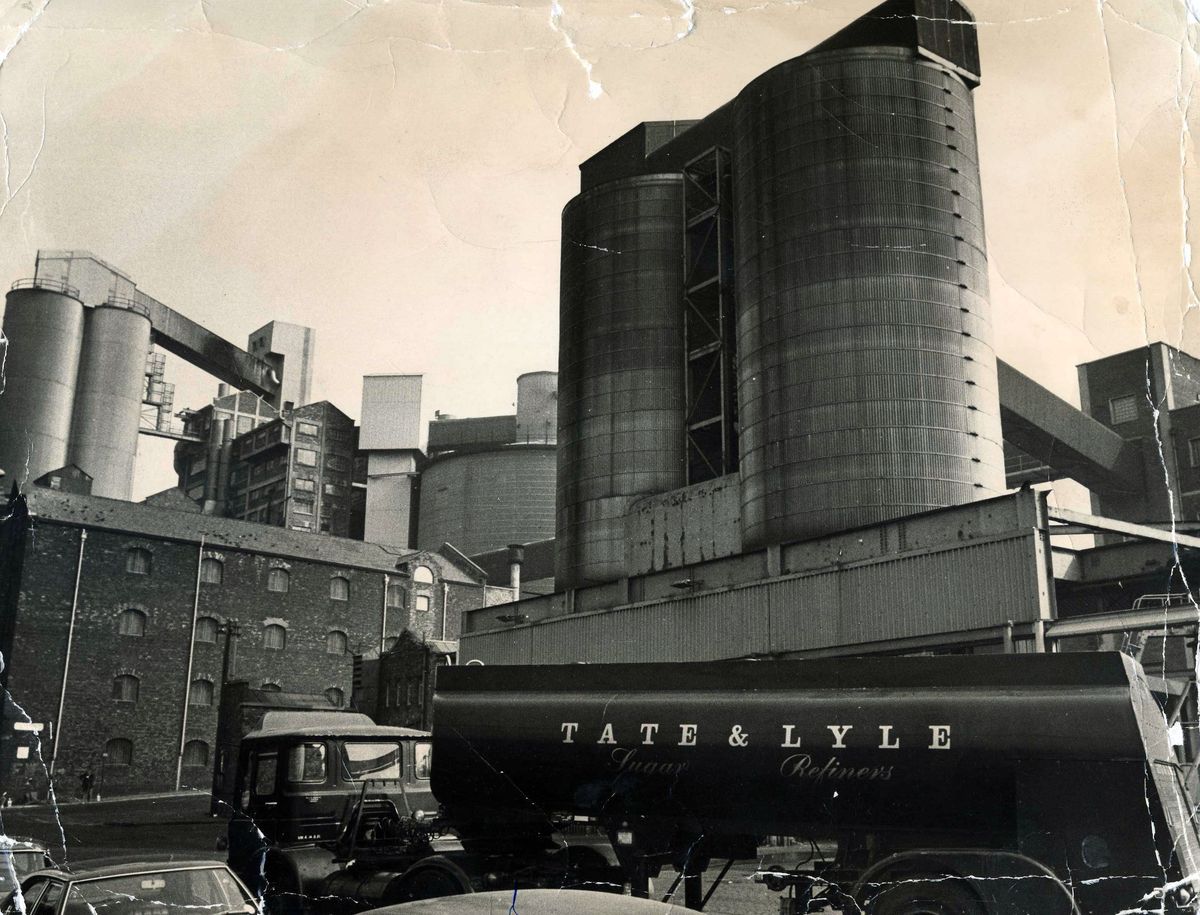
The Tate and Lyle factory in Liverpool, 1974
For over a century, the Tate & Lyle factory dominated the skyline north of Liverpool city centre and employed generations of Liverpool families.
In 1872, Henry Tate & Sons opened their new sugar refinery in Love Lane, where 400 tons of sugar were produced a week. The beating heart of the local community, more than 10,000 workers passed through the factory’s doors during its lifetime, and it was very much a family affair, with some employees counting four or even five generations of service.
Known as Sugar Girls, the majority of the workforce were women, and it was on site that many friendships were made for life. But despite workers fighting hard to save the Tate & Lyle factory in Vauxhall, it sadly closed its doors over a century later, in 1981. and a new community, called the Eldonian Village, was later built on the land once occupied by the sprawling Tate & Lyle buildings.
READ MORE
Eastham Pleasure Gardens
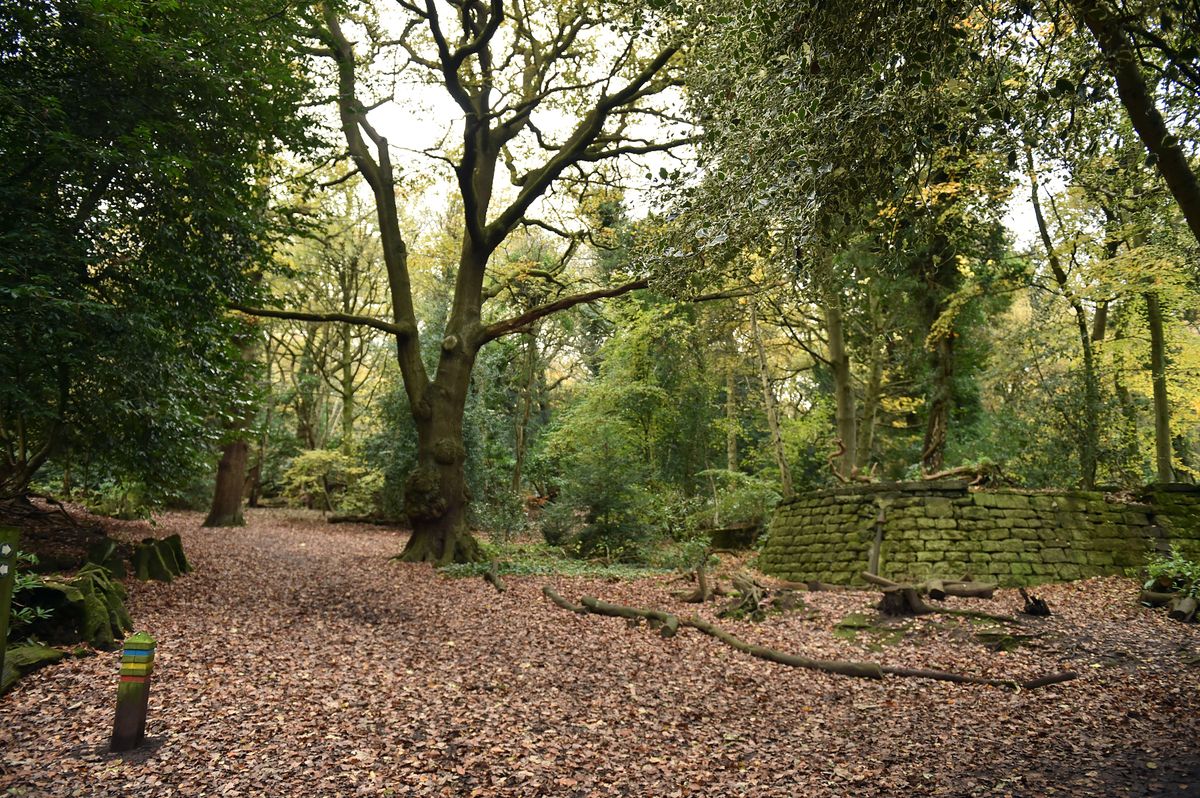
Eastham Country Park(Image: Liverpool Echo)
It’s difficult to imagine it now, but the tranquil woods and gardens of Eastham Country Park were once home to dozens of exotic animals and a rollercoaster. Nestled next to the River Mersey, the 100-acre country park attracts many visitors to its peaceful woodland and green fields.
While today’s visitors take in the picnic area, information centre, and tea garden, day trippers in the 19th century saw some very different sights. The park once formed part of the Eastham Pleasure Gardens, known for its amusements, attractions, foundations and concerts.
Then in 1874, the owners, Henry Gough and Mr T. W. Thompson, opened a zoo, which attracted thousands of visitors to the site.
The zoo housed exotic animals, including an elephant, polar bears, camels, tigers, and bears, as well as a lion’s den, and an aviary with an eagle and a black swan.
However in 1894, the construction of the Manchester Ship Canal transformed the area, making it more industrial and less charming. it was noted that “some of the glories of the place have departed,” even “though the glorious woods still remain.” This decline was further marked in May 1895 with the death of Thomas William Thompson, the gardens’ owner and driving force. The land is now Eastham Country Park.
READ MORE
Liverpool Overhead Railway
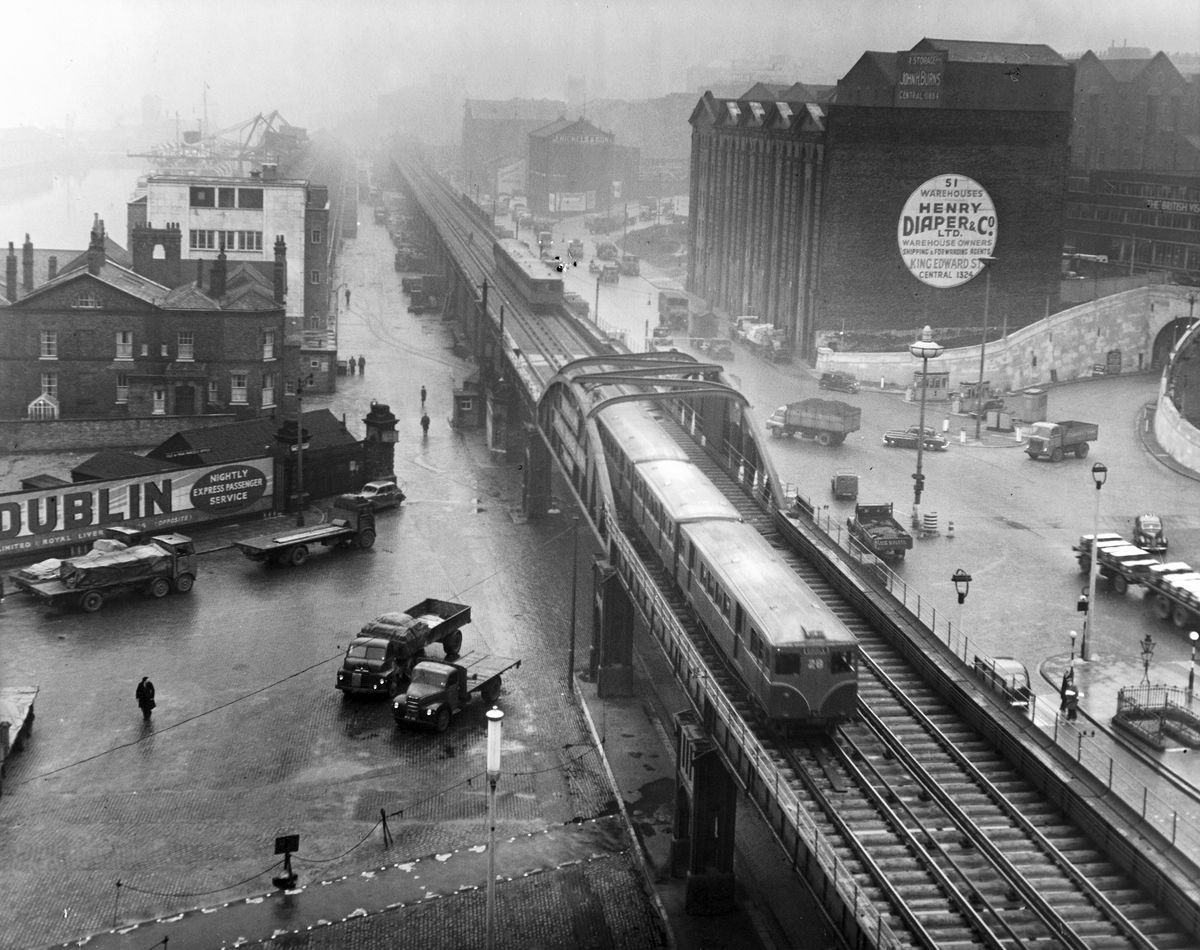
The Liverpool Overhead Railway was the first elevated electric railway in the world
Once a key part of Liverpool’s transport system, the Liverpool Overhead Railway was built in 1893 in response to congestion and increasing traffic on the roads around Liverpool’s giant docks.
The first elevated electric railway in the world, it was a landmark across the city, seeing hundreds of commuters use the service every day. It ran close to the city’s docks, providing cover for those walking beneath it, which is what led to its nickname, the Dockers’ Umbrella.
Despite hopes that another operator could be found and that the line could be reopened, demolition of the track began in 1957. Remnants left over from the Dockers’ Umbrella and never dismantled can still be seen in the city.
Cream

Outside view of Cream nightclub in Liverpool from 16th February 1995(Image: Mirrorpix)
Liverpool’s super club Cream was at the cutting edge of dance and electronic music in the 1990s and early 2000s. The weekly house music night first launched in October 1992 at the now demolished Nation nightclub and later went on to be known for offshoot events and festivals around the world.
Based in Wolstenholme Square, it grew from humble beginnings to a legendary movement that would see superstar DJs travelling from around the world to get to play sold-out sets. And many still hold fond memories of when Liverpool represented the centre of the universe for fans flocking to join in the immersive, collective experience offered by Cream.
Sadly, the iconic club closed its doors in 2007, and the venue was demolished in 2016 as part of the regeneration of Wolstenholme Square, along with the Kazimier Club which later became an iconic part of Liverpool’s music scene in its own right. The redeveloped square is now largely made up of residential flats.
Hartley’s Village

Former Hartleys Jam factory site(Image: Andrew Teebay Liverpool Echo)
Tucked off Long Lane in Aintree, you’ll find the remains of Hartley’s Jam empire. Hartley’s Village was built by William Hartley in 1886 when he moved his jam making business to Liverpool and was designed to be self contained.
Mr Hartley was a staunch Methodist and strongly believed in improving the living and working conditions of his workers. He built 49 houses for his employees on streets named after ingredients used in jam making – from Sugar Street to Cherry Avenue and Spice Lane.
Since the Grade II listed factory’s closure in the mid-1960s, elements of the village have been lost, including factory roofs – and Mr Hartley’s own villa on Long Lane. The square behind the houses was once home to tennis courts and a bowling green for the workers to enjoy, which have now been tarmacked over.
The surviving parts of the factory are now derelict apart from garages which partially occupy the building. It forms part of a conservation area along with the former worker’s houses which have retained their charm and character.
READ MORE
Walkways in the sky

A walkway in the sky on Old Hall Street on 12th October 1981(Image: Mirrorpix)
Decades ago, “walkways in the sky” were a common sight, but now most of them have been confined to history. The networks connected the city as part of a bold plan for how our public spaces should look.
In the 60s, the council came up with a plan to create a linked system of walkways over the city. Buildings such as the ECHO building and Royal Insurance headquarters were built with walkways through and around them and bridges across roads.
Roe Street, Old Hall Street and James Street each had their own “sky bridges” which allowed pedestrians to get around without using the pavements. The first bridge was planned to cross James Street.
After years of planning, that bridge appeared overnight in James Street in September 1970 and opened the following year. But early optimism and enthusiasm for the walkways quickly vanished, and the sky bridges weren’t well used, making them a hotspot for criminal activity.
In the early 90s the ECHO campaigned for the demolition of the Roe Street walkway, which spoiled the view of St George’s Hall. In August 1992 its demolition made the front page of the ECHO, under the headline “It’s Gone”. The ECHO called it a “black, graffiti-strewn monstrosity”.
Mossley Hill Zoo

Mickey the chimp was the star attraction at Liverpool Zoological Park based in Mossley Hill in the 1930s. Photo of Mickey lighting up a cigarette with his keeper
Long before housing estates and university accommodation became familiar landmarks in south Liverpool, part of Mossley Hill was home to a short-lived yet extraordinary attraction, The Liverpool Zoological Park. Located on Elmswood Road, the zoo opened in May 1932 and operated until 1938.
Drawing visitors from across Liverpool and beyond, the park was situated on Elmswood Road in Mossley Hill, on the grounds of the former Rosemont estate, and housed a wide range of exotic animals.
According to a newspaper report in the Liverpool ECHO from May 2, 1932, ahead of the zoo’s opening, the zoo featured “over 600” monkeys, kangaroos, elephants, lions, bears, storks, snakes, alligators, birds of prey, and tropical birds.
However, its most famous resident was Mickey, a 14-year-old smoking chimpanzee who quickly became the star attraction at the zoo.
READ MORE
Bubble bus stops

Buses at Roe Street, Liverpool. August 1995(Image: Mirrorpix)
One part of Liverpool city centre that’s changed almost beyond recognition since the 1990s is in and around Queen Square. Before the bus station looked and operated as we know it to today, the area was home to “bubble bus stops” and even had its own “sky bridge.”
The old Roe/Hood Street Gyratory had been known locally as the ‘bubble bus stops’ due to the curved plastic design of its shelters which took up the length of both Roe and Hood Street. The proposal for building the Roe Street/Hood Street Gyratory was submitted in 1966 as part of a £1.45m new traffic scheme for the city centre, but by the early 1990s, the gyratory began to become more of an issue, contributing to the congestion of traffic in the city centre.
By 1992, the old gyratory’s demolition began and it was replaced by a new Queen Square bus station in 1996.
READ MORE
Custom House

Castle Street in 1919, with trams and the old Custom House building in the background
The Custom House – otherwise known as Liverpool’s Fourth Grace – has a good claim to being the city’s greatest lost building.
The monumental structure dominated the city’s waterfront and was a magnificent spectacle. The new Custom House, the port’s fifth, was designed by Liverpool’s leading architect John Foster Junior and completed in 1839.
The giant domed structure took 11 years to build on what had been the site of Liverpool’s Old Dock. It was built in a giant H shape, with columned facades facing Canning Dock and the streets around, and housed dock and customs offices.
The main function of the Custom House was to collect tolls and excise duties, very important elements in the running of the port.
The Custom House was one of many historic buildings to be badly damaged during the Blitz of May 1941, when fire bombs sent the building up in flames.
Despite the damage, its shell survived for another seven years, until it was controversially pulled down in 1948.
Today the site is part of the Liverpool ONE complex where the Hilton Hotel now stands.
Do you have a lost Liverpool landmark or building we’ve not mentioned that you would like to be included? Leave a comment below.
Got a story? Get in touch rebecca.mcgrath@reachplc.com