
This feature is sponsored by Destination Toronto. Plan in a city that’s all-in, 100% of the time. Toronto thrives on diversity, innovation, and cultural fusion—where global perspectives meet distinctly Canadian values.
After years of planning, the 2026 FIFA World Cup is now in full swing across North America. The global tournament has evolved into a massive event, with 48 teams competing in 104 matches this year. And if we’re talking numbers, we can’t forget: 16 host cities (11 in the U.S., three in Mexico, and two in Canada). It’s an unprecedented scale for the FIFA World Cup, and these cities have spent countless hours preparing to host a major sporting event with a far-reaching international audience.
So how did they do it exactly? We zeroed in on four case studies below—Atlanta, Kansas City, Los Angeles, and Toronto—and all of them cite a precise level of communication, flexibility, and strong partnerships. Although these four cities have very different personalities, they are all hoping for the same outcome: community pride that inspires others to visit, whether for leisure or business.
Click through the case studies below to see quick-hit information on matches, plus notable upgrades they’ve made to improve the visitor experience, their hope for the tournament’s impact, and lessons learned for other event profs.
The city has made enhancements that it hopes will create lasting benefits.
The Heart of America is ready for an international spotlight.
The city is embracing its eclectic neighborhoods as one of this year’s World Cup hosts—and kicking off an unprecedented decade in hosting major sporting events.
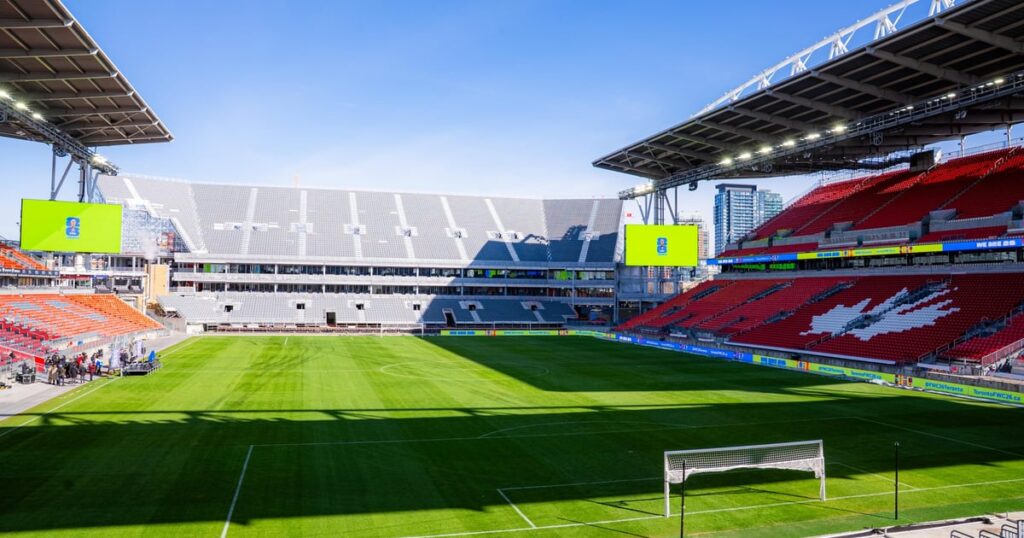
After hosting Canada’s home opener, Toronto is ready to showcase why it’s a city that already feels “deeply connected to the world.”