
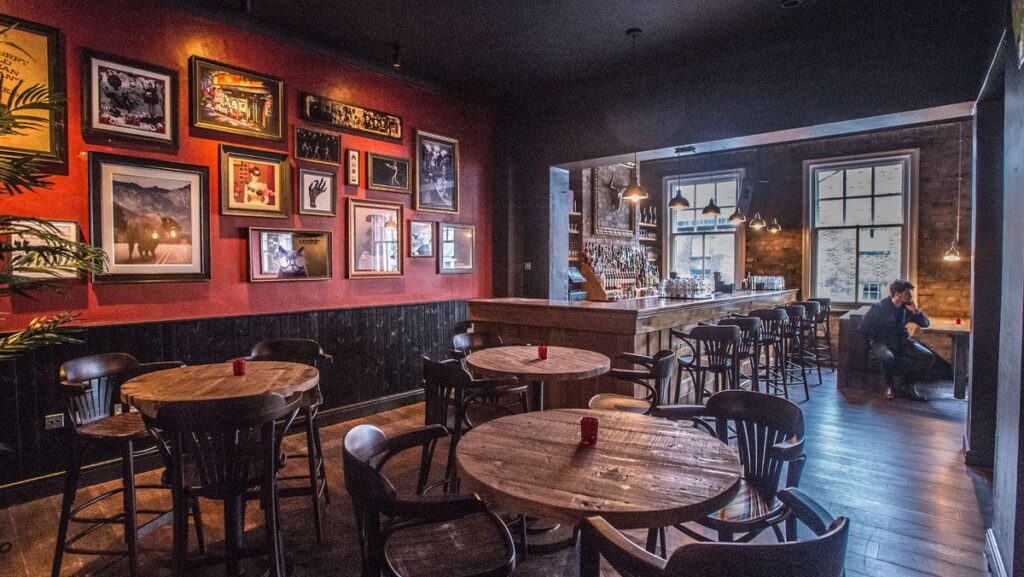
The building has transformed numerous times over the past five decades
Inside Red Door when it opened(Image: Liverpool Echo)
Liverpool’s famous Red Door cocktail bar is set to close its site on Berry Street. The building has been acquired by independent hospitality operator DGB Hospitality Group which intends to revive a concept with the same name from decades ago to bring a “sense of nostalgia back to the area”.
The building has been home to numerous businesses over time. Decades ago, when it was known as The Masonic Arms, it had a considerable reputation as a rock club, that saw many local bands take to its stage.
Geoff Windham formed band Marital Aids in the late 1970s and was among the musicians from the city and beyond who found themselves performing at venue. By the 80s, the name of the venue changed again after a £220,000 refurbishment to become Trader Jacks.
The pub was owned by three partners – Joe Houston, Steven Foster and Ken Hughes – and customers could enjoy anything from garlic mushrooms served with salad for 95p and main meals include lasagne, kebabs, casserole and steaks, selling at up to £1.95.

The Masonic Arms, Berry Street, Liverpool, on August 22, 1984(Image: Mirrorpix)
After Trader Jacks came The Black Horse and Rainbow and the Brewery, from when the site housed its own brewery. Many will also remember the days when it was The Metropolitan, which had a “club above the pub,” known as the Lemon Lounge.
But for the last decade, it has been home to bar Red Door. It was the team who brought Life Café to Liverpool in the late 90’s who reunited to open the city venue.
Since its opening in 2015, Red Door has been a popular spot for party goers and a celebrity haunt for household names, with visits from Jon Voight, Will Young, Rebecca Ferguson and Coleen Rooney.
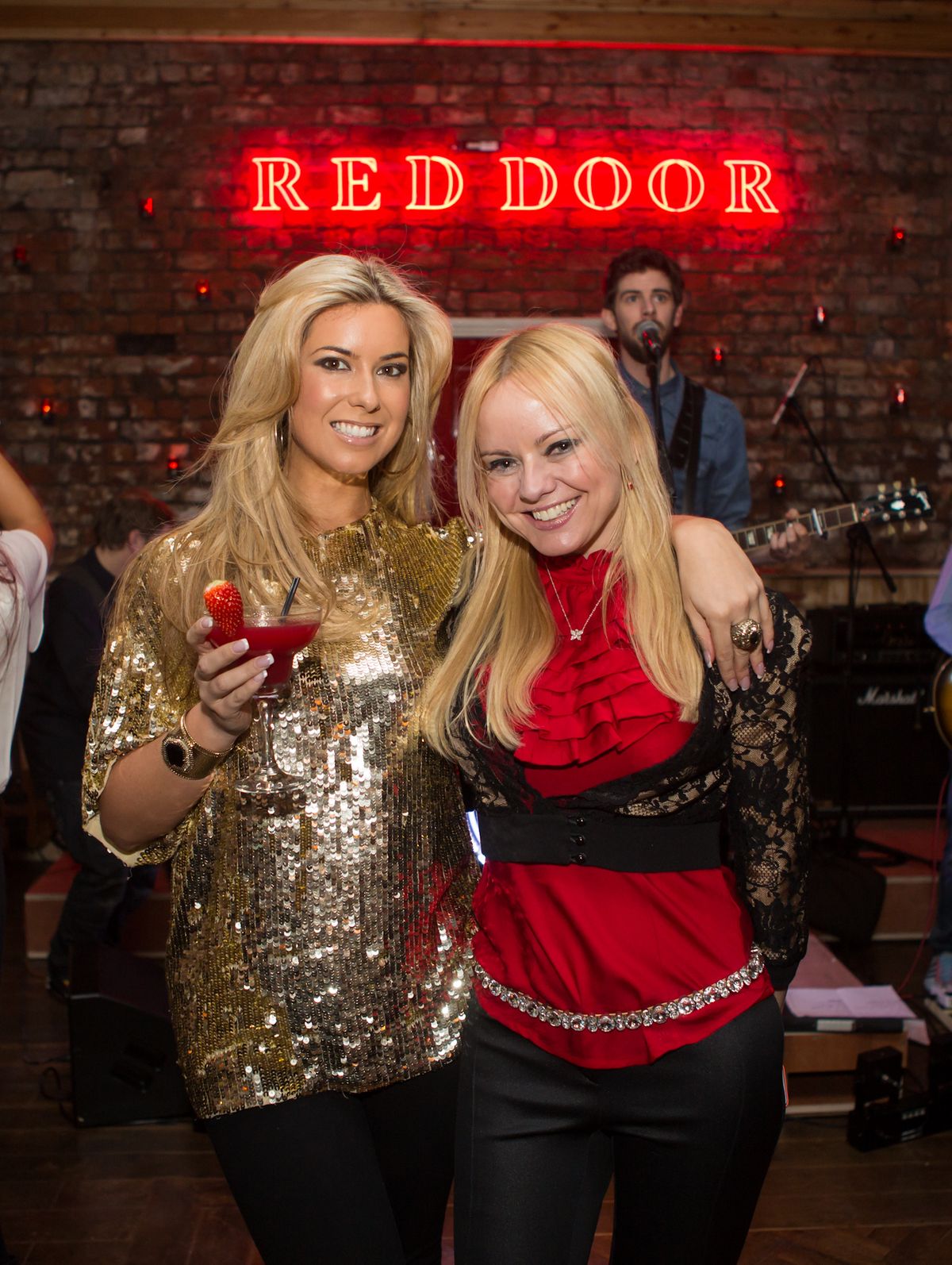
Jade Ainsworth and Claire Simmo at the opening of Red Door
Living Ventures boss Tim Bacon, Chester entrepreneur Dave Hinds and Liverpool-born food and drink expert Lee Lynch invested £500,000 into the four storey venue, which has previously been the Metropolitan and the Lemon Lounge.
In 2016, the bar welcomed an expansion in the form of The Study, accommodating up to 70 guests and opening onto the all weather terrace. Three years later, the terrace received an overhaul, reopening as Eden, offering visitors table service in a “paradisaical atmosphere”.
Red Door enjoyed a busy and successful decade since opening, but its image changed after Covid-19 restrictions came into play, slowly becoming a “bottle club” rather than a place to enjoy cocktails.

The Eden roof terrace at Red Door(Image: Andrew Teebay Liverpool Echo)
In February this year, Red Door’s assistant manager, Ben Sagar, told the ECHO about his plans restore the venue to its former glory, including regular jazz nights and a refocus on cocktail craft.
The team implemented a number of operational changes, making every Wednesday a jazz night with live musicians to give people a reason to go out midweek.
However, independent hospitality operator, DGB Hospitality Group, announced last week it has acquired 21-23 Berry Street, with plans to launch its ninth Liverpool city centre venue.
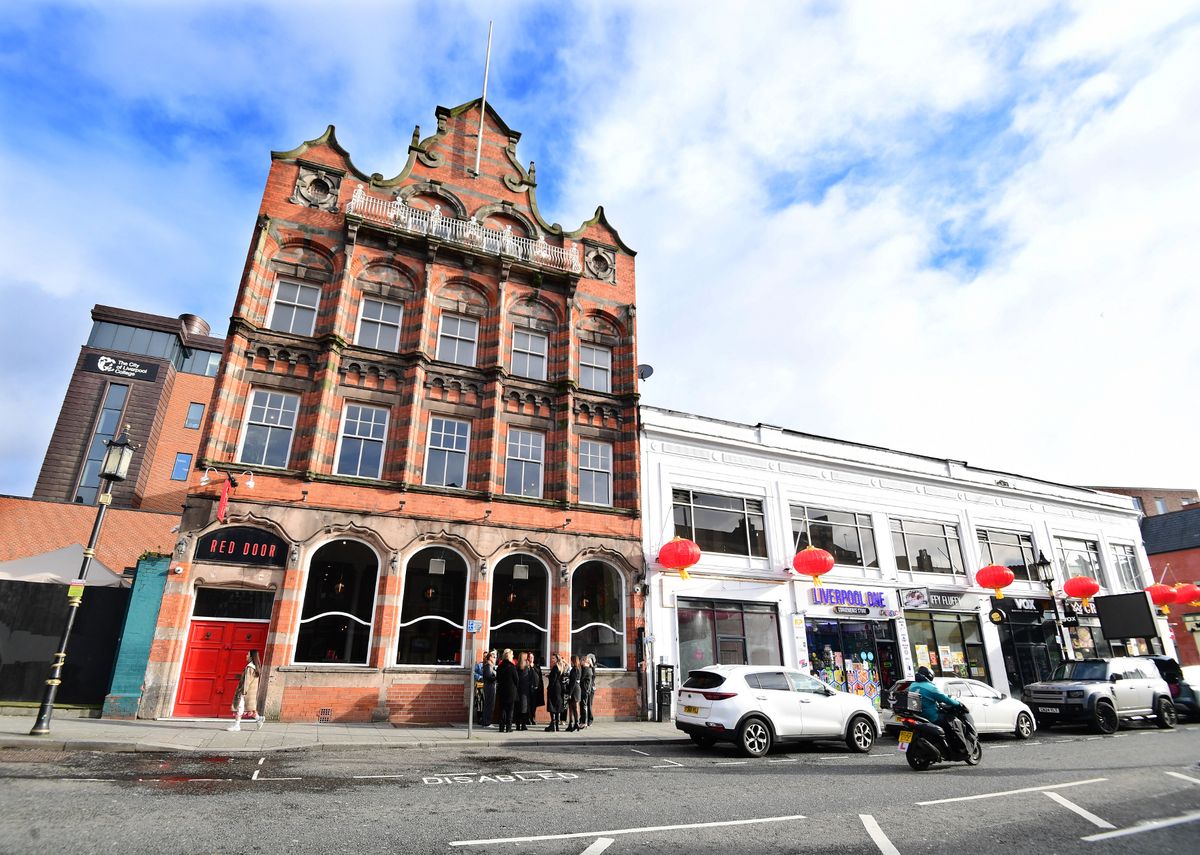
Red Door, Berry Street(Image: Andrew Teebay Liverpool Echo)
As a return to form, DBG Hospitality is reviving the Black Horse and Rainbow concept with a £750,000 investment. The business will honour the building’s heritage while undertaking an extensive refurbishment and redevelopment across the three-storey property, which includes the beer garden, terrace and function room.
The concept will introduce a different type of pub in the city-centre, utilising its socialising spaces inside and outside, and will continue DGB’s passion for live music in all its venues, with DJs and bands programmed each week.
The Black Horse and Rainbow is scheduled to open in July.