

It wasn’t the biggest relegation in history, because Tottenham Hotspur remain a top-tier club. Yet West Ham United’s demise is certainly the biggest of the Premier League era. The Championship hasn’t had a 62,500-seat stadium before, or an iconic Olympic venue. The unthinking observation is that West Ham are a yo-yo club so this is just to be expected, but that isn’t true. Outside of the Super League six and Everton, they were the Premier League’s longest-serving inhabitants.
This is their fifth relegation since 1978 — Norwich City have had five since 2008-09, Leicester City five since 2003-04, including three in the past five seasons — and nobody can argue it was not deserved. West Ham delivered the highest points total of any relegated club since Birmingham City in 2011 but were undoubtedly in the three poorest teams this season. Graham Potter did a dreadful job and Nuno Espírito Santo proved an insufficient improvement.
 Furious supporters turned their ire towards West Ham’s owners after the club’s relegation was confirmedCharlotte Wilson/Getty
The word is he will be replaced by Scott Parker, a promotion specialist, in the summer. Unless the improvements extend much further, however, and given the only players worth keeping are the ones that will leave — as is always the way — West Ham cannot be guaranteed bouncing back at the earliest opportunity. The club has been poorly directed for several years now, the money from the sale of Declan Rice has been squandered and local disaffection has proven ruinous. West Ham will arrive in the Championship a seething ball of resentment.
Even so, it took some doing, this. West Ham have never been an elite club, but did have all the advantages of being long-established in the Premier League. They were promoted, the last time, before the bumper international broadcast contract was signed when top-tier clubs in England suddenly earned more money than ever before. To be relegated from that position is a colossal failure of the executive management, owners, directors of football, coaches and, of course, players.
 Nuno is expected to be replaced by Parker this summerKevin Hodgson/Alamy
And it is damaging far beyond the confines of the London Stadium too. All the talk of the financial impact on West Ham overlooks the other big losers in Sunday’s relegation battle. Everybody else. Teams that finished nowhere near the bottom three. Clubs that are playing in the Champions League next season. The Premier League itself.
Followers of Liverpool, Manchester United, Crystal Palace, Chelsea, Newcastle United will have been paying no real attention to the saga in the bottom three, beyond a sense of macabre amusement. Yet their owners will. They will have been following it all season, well aware of the potential ramifications. All of those clubs, in one way or another, are for sale. Not as a matter of urgent business. Not out of necessity. But because they were bought as part of investment portfolios in which everything has a price.
Newcastle seek investment for up to 25 per cent of the club’s shares to move to the next phase of their development; the Glazer family has already sold in part to Sir Jim Ratcliffe and may sell again; Liverpool and Crystal Palace are only two of many clubs that could be bought if the price was right, and high; with tensions at board level, part of Chelsea could be on the market soon too.
 Tottenham surviving by the skin of their teeth was another clear indication that nobody is safeChloe Knott/Shutterstock
Club value is what has been affected by this season’s relegation battle. For if a club with pretensions of joining a Super League — a superclub, as it were — or one with a stadium of West Ham’s size and the second-highest average attendance in English football could go down, then who is safe? And venture capitalists do not spend multiple billions on projects that are exposed to an event as serious and harmful as relegation. They will observe the fate of West Ham, and the near-miss at Tottenham, and shiver.
Last summer Mark Walter bought the Los Angeles Lakers basketball franchise from the Buss family for $10billion. What’s the worst that can happen? A bad season, and start again in exactly the same place. And that’s exactly what unfolded for the Lakers between 2013-14 and 2018-19, their wilderness years. In 2013-14, they finished bottom of the NBA Pacific Division and 14th of 15 in the Western Conference. They started in the same leagues the following year, and finished in identical positions. In 2015-16 it actually got worse: still bottom of the Pacific Division, but now bottom of the Western Conference too.
So, of course, it holds its value. The Lakers are a blue-chip investment and the franchise system does not allow them to truly fail. Sure, those six seasons were an abject failure, but there was no consequence as dramatic as what befell Sunday’s losers, West Ham. The Lakers were never going to have to go off and play Sioux Falls Skyforce or Rip City Remix in the Western Conference of NBA’s G League. It couldn’t work. The G League is full of franchises affiliated to bigger NBA concerns. No prizes of guessing who owns the South Bay Lakers, the present Conference leaders, based in Thousand Palms, California.
In this country, by contrast, we have grown up with an entirely different format and rightly love our jeopardy. Lincoln City now await West Ham — and, given their showing in recent fixtures, will give them a decent game — and that’s how it should be. When there was talk of abandoning relegation if the season could not be completed during Covid, people were incensed. They still demanded the trap door, even if the whole programme could not be completed. And that’s fine, that’s us. Nobody asked billionaires from far continents to play at our roulette table anyway. Yet, in this of all seasons, the worth of the English game will have taken a hit, as prospective investors get a glimpse of its dark side.
Relegation isn’t real to a lot of the Premier League investors. When Fenway Sports Group bought Liverpool, it wouldn’t have crossed its mind that the club could go down. A dozen or so rivals might be impacted, sure. They all live with the terror of the worst-case scenario, even the smartly run ones. Yet for the “big six”, clubs with a certain stature and history, that fear was from another era. And 38 games have now changed this.
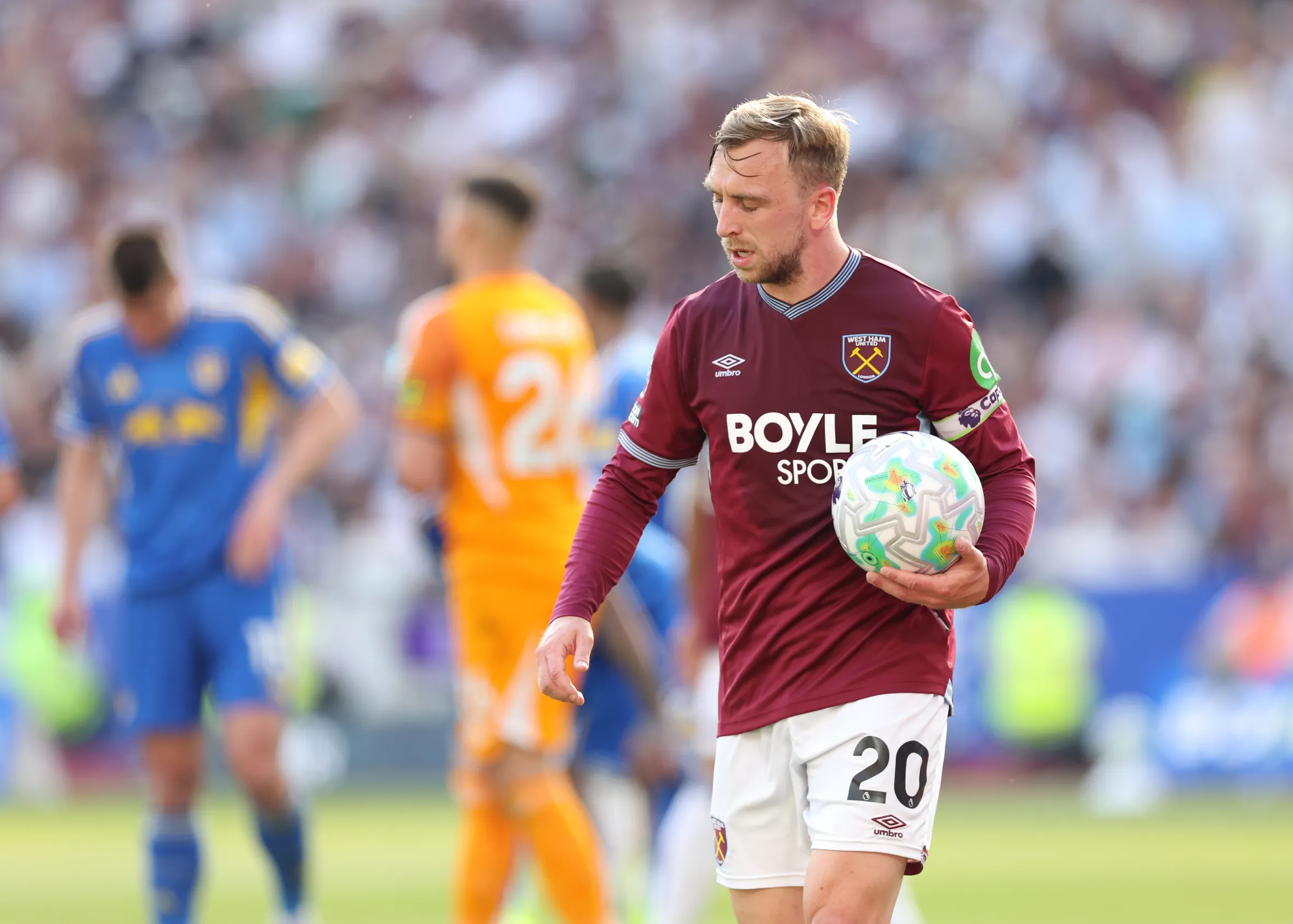 Bowen will attract the interest of Premier League clubs this summerRob Newell/Getty
Take Manchester United. Famously went down in 1974. But the way football has evolved we thought it couldn’t happen again. Even last season’s 15th-placed finish was never a true relegation fight, as we saw it. United were 17 points clear of 18th-placed Leicester; they swapped managers mid-season and needed time to adapt; focus was elsewhere with a Europa League final to play for.
The same was thought of Tottenham too. Now, there will be reassessment. Maybe last season wasn’t an anomaly after all, but a warning. It could be you. Yes, the lottery win that the Kroenke family have landed with Arsenal might be your destiny, but also the plunge through the trap door if you get it wrong. This is a very competitive league. Losing to a Moneyball team is an irritation in the franchise system but over here can have dramatic consequences, measured in many millions, or billions if the sale of the club is your goal.
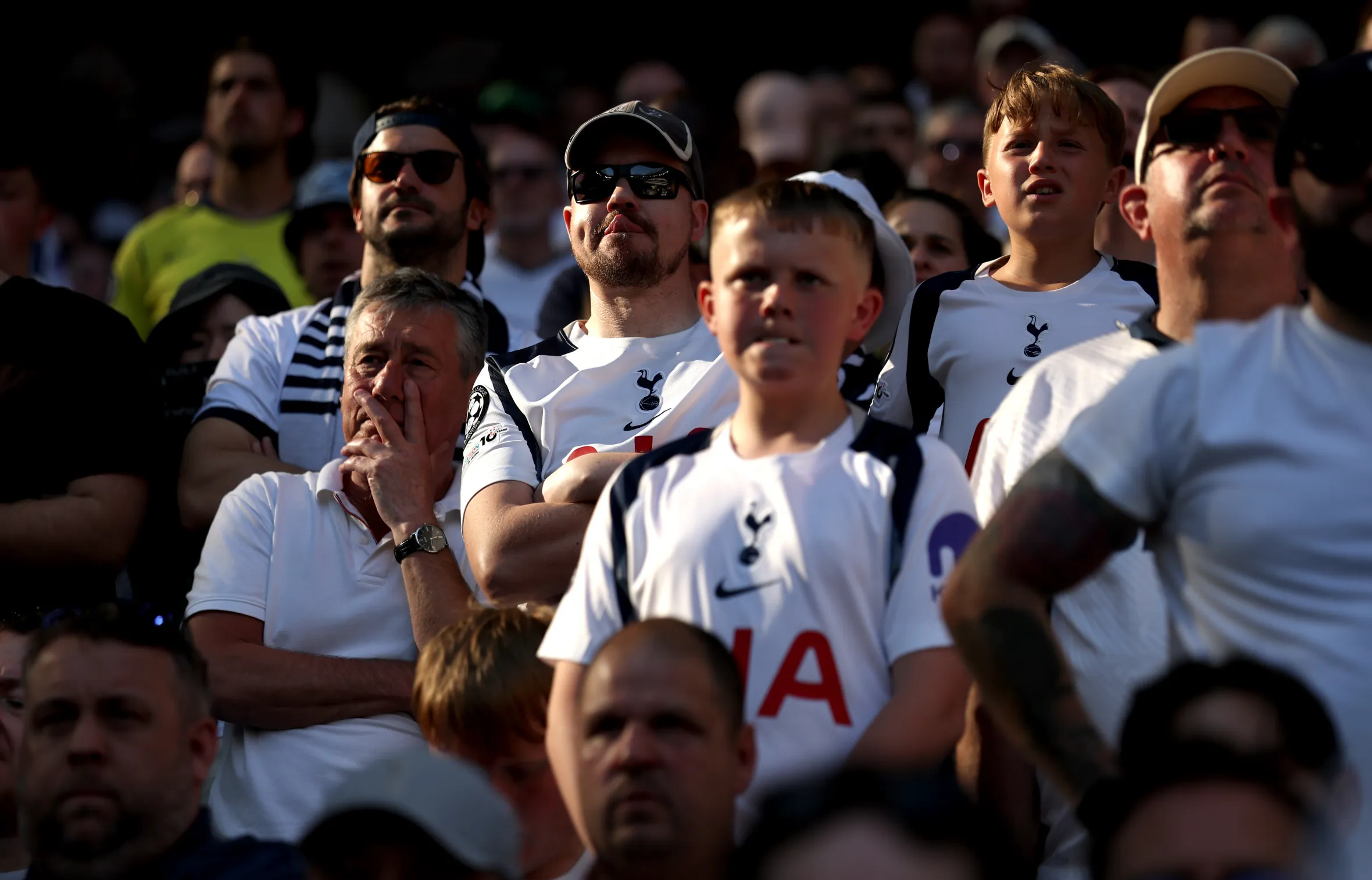 Spurs supporters endured a nervy second half when news filtered in that West Ham were leadingAlex Pantling/Getty
The record will show that Tottenham were safe by two points and significant goal difference this season. Roberto De Zerbi did well with a considerably stronger squad than Nuno inherited and, in time, it may even look as if Tottenham were comfortable. But they weren’t. Going into the final day of the season nobody knew a Tottenham fan who felt confident. When news broke of a West Ham opener, the Tottenham Hotspur Stadium trembled, even though two more goals needed to be scored by Everton to drop De Zerbi’s team into the relegation zone — and that was never on the cards. It still felt close.
Recent weeks have been littered with good breaks. Aston Villa’s weakened team; Antonin Kinsky’s wonder save; a moribund Everton display. Tottenham most certainly stared into the abyss of relegation. And this is a club that would go on the market at £3billion-£4billion. Tottenham, then, would be in the ballpark of what the Walton-Penner group paid for the Denver Broncos NFL franchise in 2022: $4.65billion. The year that happened, the Broncos finished bottom of the AFC West — and began the following campaign exactly where they were.
That’s the difference, right there. Tottenham are a gamble, the Broncos an investment. So West Ham are far from the only club hurt by their relegation. With their Olympic Championship stadium, they’ve hit an entire league in the pocket.