
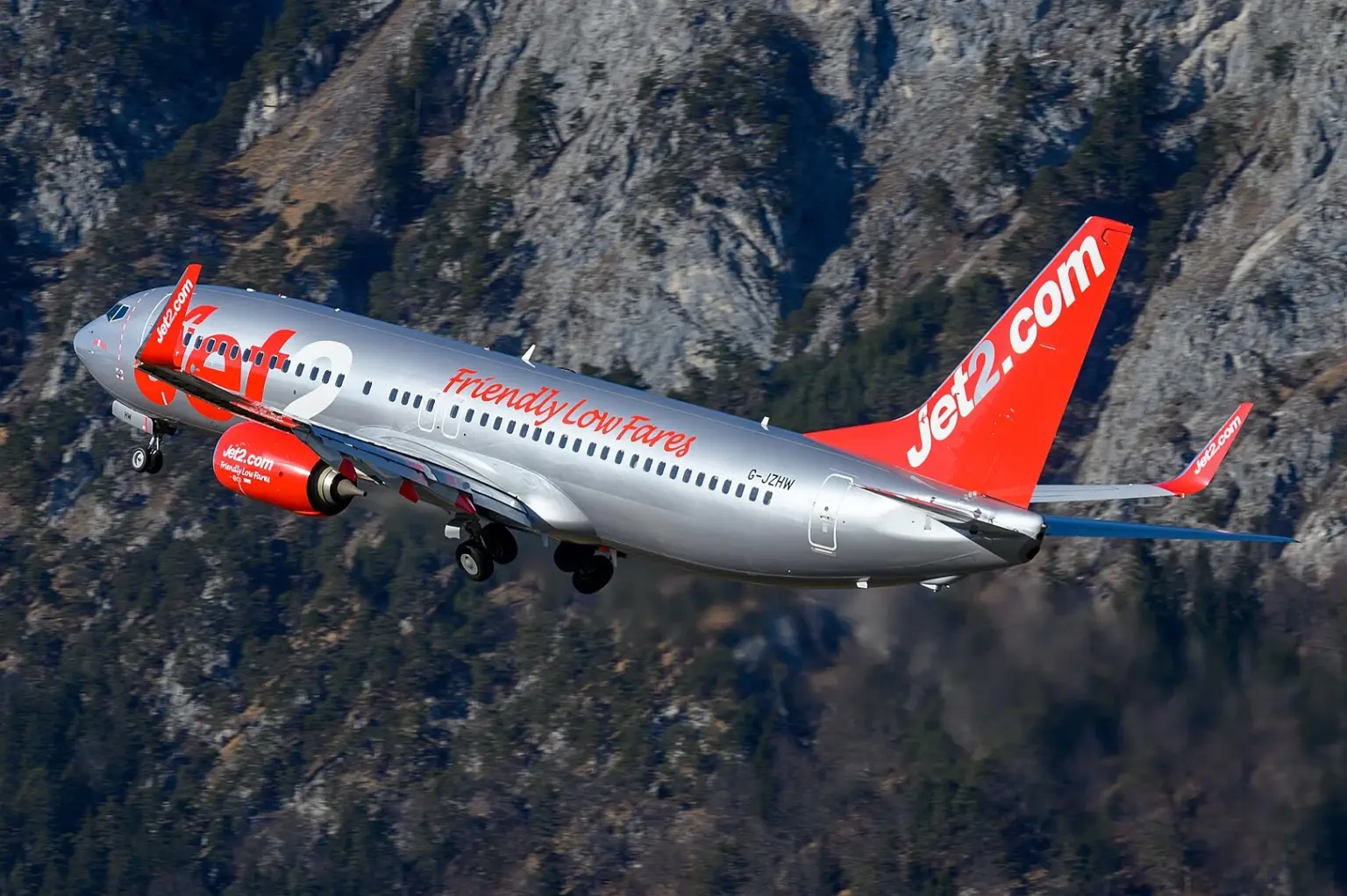
A Jet2 (LS) Boeing 737-800 operating flight LS3643 from Bournemouth (BOH) to Gran Canaria (LPA) made an emergency landing at Faro Airport (FAO) on Thursday, April 16, 2026, after the crew reported smoke inside the cabin. The aircraft carried 141 passengers and landed safely at 12:24 pm local time.
The pilots declared a technical emergency and diverted to Faro’s Gago Coutinho International Airport (FAO) as a precaution. Portugal’s airport authority ANA confirmed the safe landing, and no injuries were reported among passengers or crew.
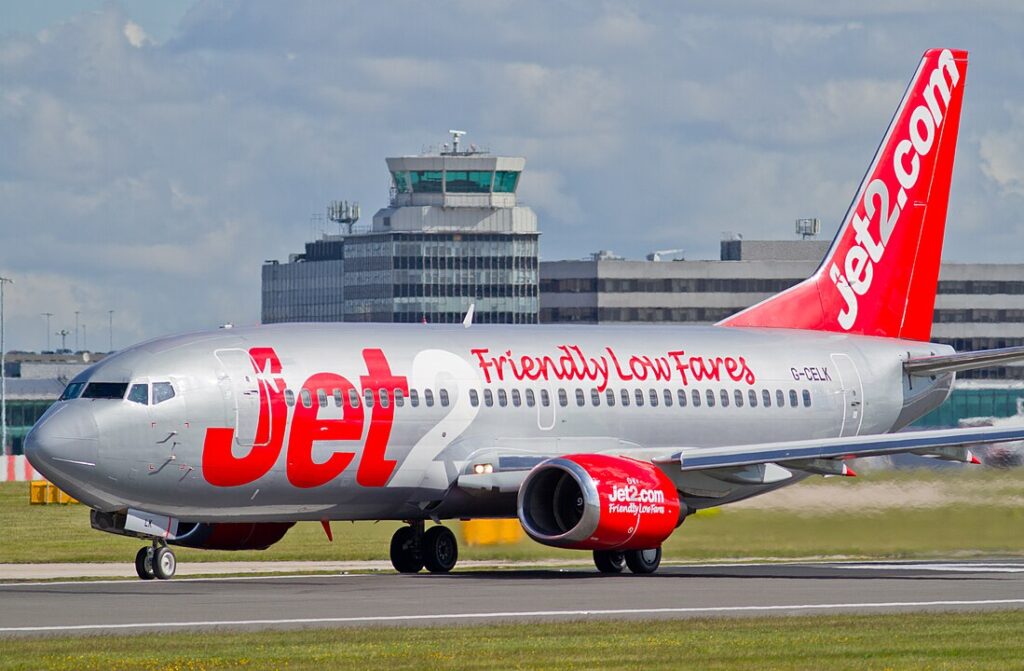 Photo: By Russell Lee Photography from England – Jet 2 B737, CC BY 2.0, https://commons.wikimedia.org/w/index.php?curid=40842629
Jet2 Flight Emergency Landing at Faro
The Boeing 737-800 departed Bournemouth Airport (BOH) on April 16, 2026, at 09:54 BST, nearly on schedule.
The aircraft was bound for Las Palmas de Gran Canaria (LPA) in Spain’s Canary Islands. During the flight, the crew detected smoke in the cabin and immediately declared a technical emergency.
According to the Algarve’s Regional Command for Emergency and Civil Protection, the pilots reported the smoke condition before initiating the diversion. The crew selected Faro Airport (FAO) in southern Portugal as the nearest suitable landing option.
The aircraft touched down nearly one hour and forty minutes earlier than its scheduled 14:10 WEST arrival in Las Palmas, landing instead at Faro at 12:29 WEST.
Portugal’s airport authority ANA, confirmed the emergency was declared shortly before the aircraft touched down safely at 12:24 pm local time. All 141 passengers were disembarked after landing to allow a full technical inspection of the Boeing 737-800, Portugal Resident reported.
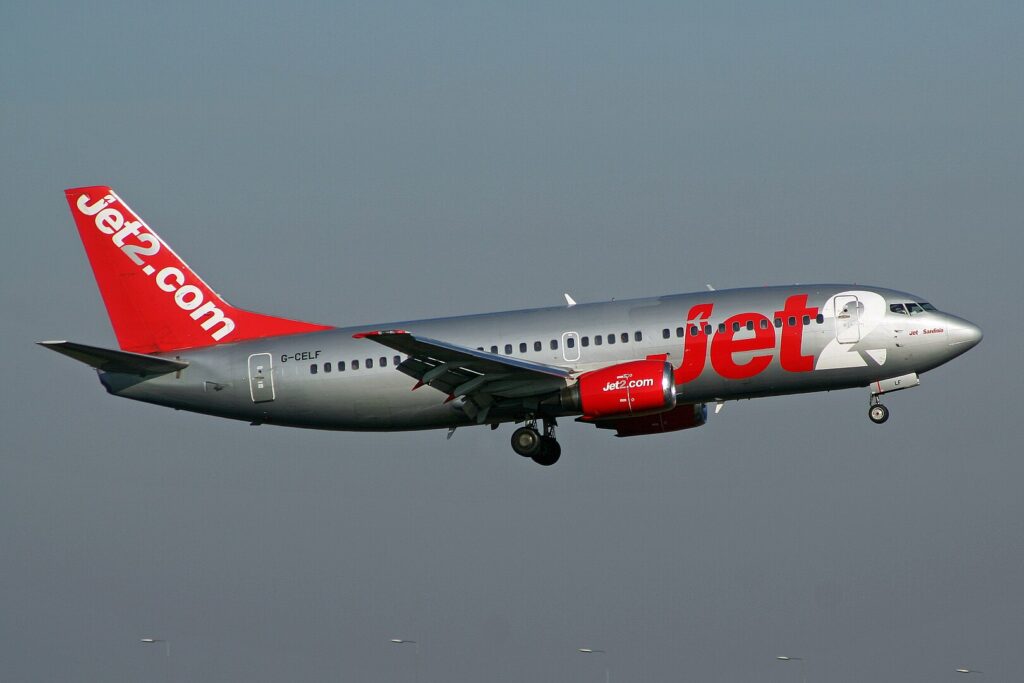 Photo: By Björn Strey – IMG_0307 X, CC BY-SA 2.0, https://commons.wikimedia.org/w/index.php?curid=26605237
Faro Airport Activates Emergency Response Plan
The incident triggered Faro Airport’s emergency response plan, which involves multiple civil protection agencies and pre-positioned rescue teams. A total of 95 personnel and 41 vehicles were deployed to the scene, including firefighters, police, and medical teams.
Emergency responders were positioned around the airfield before the aircraft arrived, ensuring immediate access if the situation escalated during landing. Paramedics and firefighters remained on site until the situation was fully resolved and all passengers had safely exited the aircraft.
No injuries were reported among passengers or crew members. The aircraft was grounded at Faro Airport for a detailed technical assessment to identify the source of the smoke.
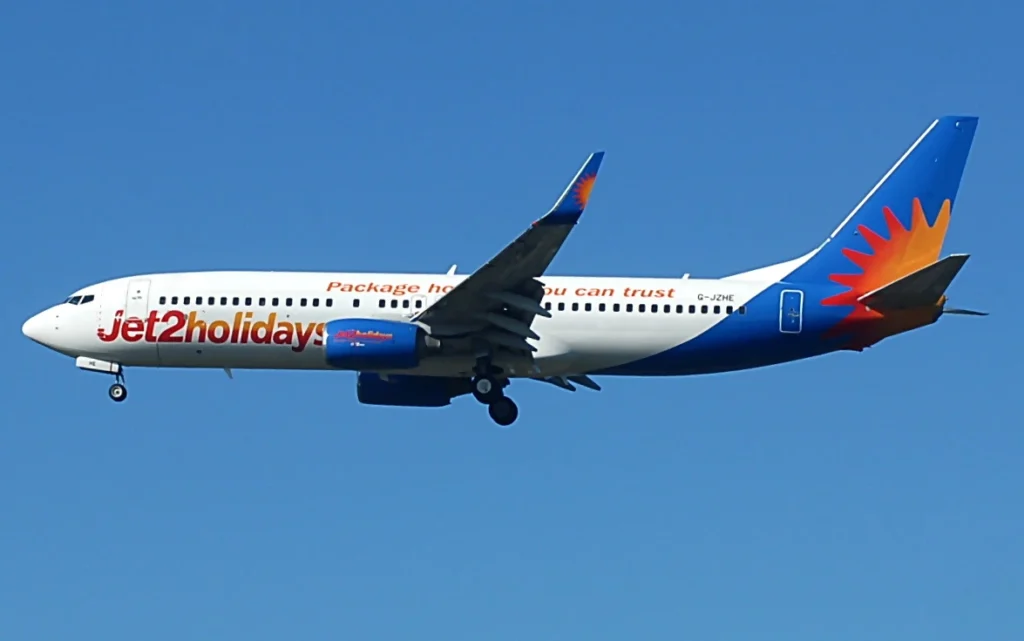 Photo- Riik@mctr; Wikimedia Commons
Similar Incident
This is not the first time a Jet2.com (LS) flight has diverted to Faro Airport (FAO) due to an in-flight emergency. In December 2025, a Jet2 service from London Stansted (STN) to Fuerteventura (FUE) diverted to Faro after the crew reported an irregular indication during flight, Aviation A2Z reported earlier.
In May 2025, Jet2 diverted its Birmingham (BHX) to Dalaman (DLM) service after smoke appeared in the cockpit and cabin, prompting an emergency landing at Luxembourg Findel Airport (LUX). These incidents highlight the importance of crew training and established diversion protocols in handling in-flight technical emergencies.
Faro Airport has become a frequent diversion destination for UK-bound and Canary Islands-bound flights due to its geographic position along the southern European flight corridor. The airport maintains a standing emergency response capability to handle such diversions efficiently.
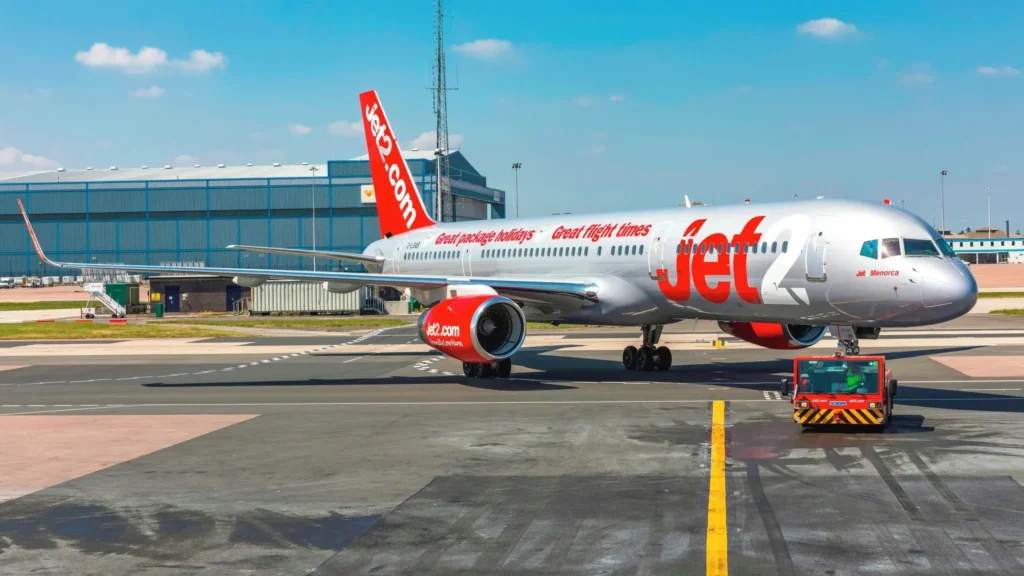 Photo: Manchester Airport
Standard Safety Protocols Ensured Safe Outcome
Aviation safety protocols require flight crews to prioritize passenger safety above schedule adherence.
When smoke is detected inside a cabin, standard operating procedures mandate an immediate assessment, followed by a diversion to the nearest suitable airport if the situation cannot be resolved in flight.
The Jet2 crew on flight LS3643 followed these procedures by declaring the emergency, communicating with air traffic control, and executing the diversion to Faro.
The coordinated response between the flight crew, ANA, and Algarve’s civil protection services ensured the safe handling of the situation from detection to disembarkation.
Passengers were expected to be rebooked on alternative flights or a replacement aircraft to continue their journey to Gran Canaria (LPA).
Stay tuned with us. Further, follow us on social media for the latest updates.
Join us on Telegram Group for the Latest Aviation Updates. Subsequently, follow us on Google News