
Newcastle United’s decision over a new stadium has echoes of 30 years ago
13:00, 06 Apr 2026
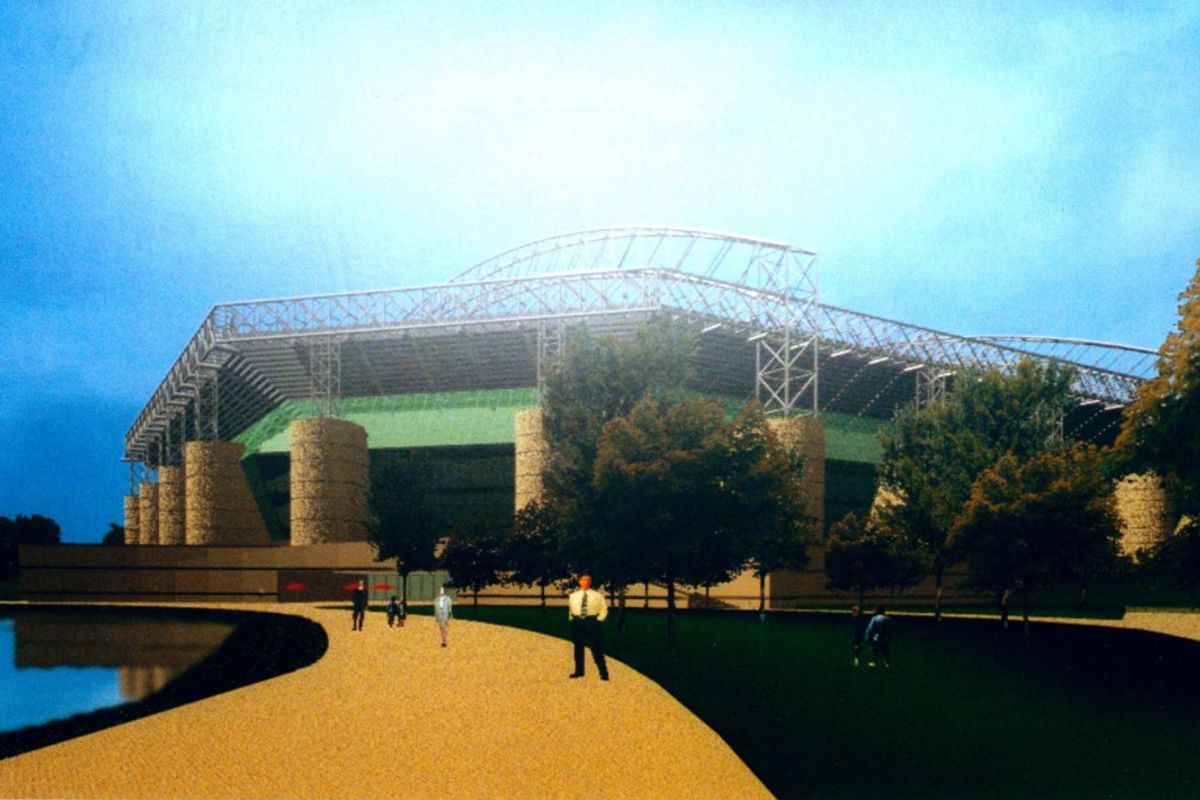
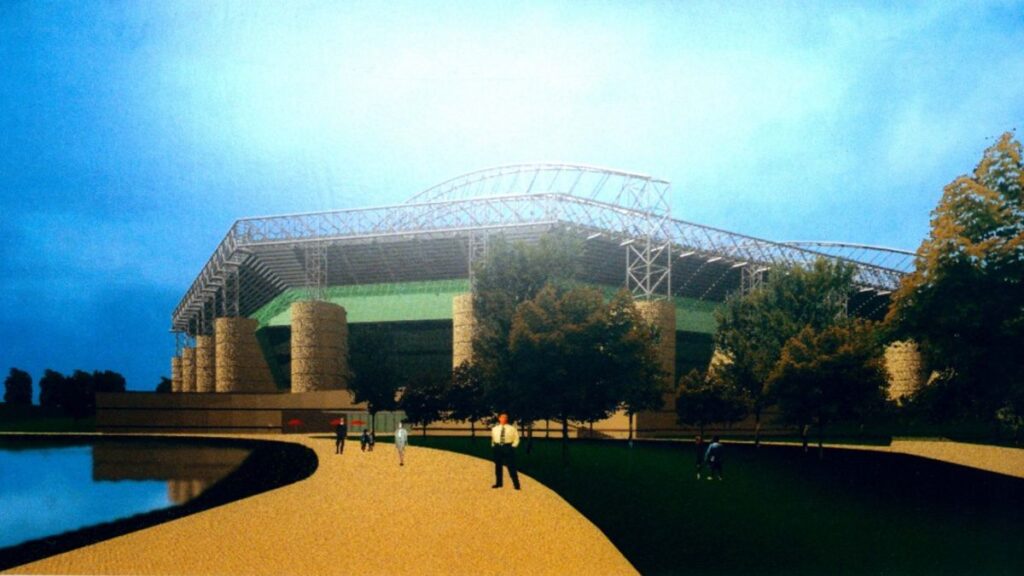
Plans for a proposed Newcastle United stadium at Castle Leazes on the Town Moor in 1997 came to nothing
It’s now almost 30 years since Newcastle United explored plans for a new stadium on Castle Leazes. So much has changed, and yet here we are back in the same situation.
Newcastle’s need for a bigger home becomes more apparent by the day. The latest set of financial accounts released by the club showed strong results, with matchday revenue having risen slightly despite no Champions League football during the period assessed.
A club statement said: “Match income increased marginally from £50.1m to £51.6m, the lack of UCL income being compensated for by a growth in season tickets, hospitality revenue and domestic cup receipts, including the club’s successful EFL cup campaign.”
The season ticket issue remains a thorny one. Newcastle could arguably sell another 10,000 should St James’ Park be expanded or a new stadium be built. The matchday revenue remains vital for the club. While £51m is not to be sniffed at, it pales into comparison alongside some of the bigger hitters in the Premier League. Arsenal recorded matchday revenue of £153.9m while Liverpool – driven by the full reopening of the Anfield Road stand – were up 14% to 116m.
The accounts also touched on the prospect of a new stadium and new training ground, with CEO David Hopkinson indicating that updates on both projects were ‘not for today’. However, the annual report read: “The Group is further exploring the options in relation to potential enhancement or expansion of St James’ Park or the development of a new stadium.”
It’s an issue not dissimilar to what faced Newcastle in the mid 1990s. Under the stewardship of Sir John Hall and management of Kevin Keegan, the Magpies were flying high – a football club with ambition, purpose and a burning desire to compete with the very best.
During the summer of 1996, having just narrowly missed out on the Premier League title, United sensationally smashed the world transfer record to land Blackburn and England centre-forward Alan Shearer. It was a massive statement of intent.
These were heady times – but there was a problem. St James’ Park, which had enjoyed substantial recent redevelopment in the mid-1990s, was still too small to accommodate everybody who wanted to watch Keegan’s buccaneering team.
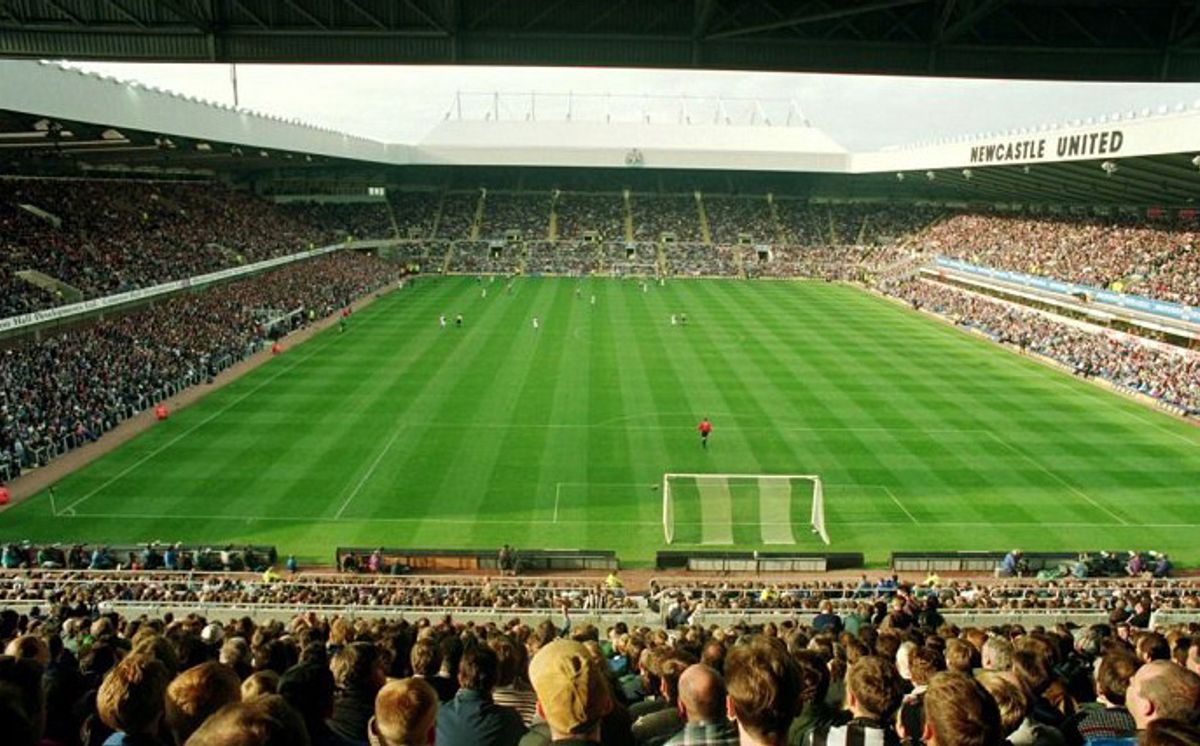
St James’ Park in 1995 – a time when the Magpies were flying high and the 36,000-capacity stadium was deemed too small(Image: Newcastle Chronicle)
With a capacity of 36,000 – almost all season ticket-holders – there were still upward of 20,000 fans on the waiting list. Indeed, football analysts at the time told the Chronicle that such was United’s current standing and appeal, they might in theory attract crowds of 75,000.
Expanding the stadium further, however, would be riddled with logistical and legal difficulties. Not for the first time in the club’s history, Newcastle United looked elsewhere to find a new home.
An early suggestion that the Magpies might move to a purpose-built stadium across the River Tyne in Gateshead was not met with enthusiasm.
Instead, in early July 1996, the Chronicle reported how “at least 10 sites scattered around Newcastle are to come under scrutiny” with Newcastle City Council leader Tony Flynn insisting “everyone wants to keep the club in the city”.
Our story revealed the 10 locations the club was considering to build a new super stadium:
Castle Leazes on the Town MoorGosforth Park, home of Newcastle Racecourse, which is greenbelt land.Brough Park greyhound stadium.Kingston Park, home of Newcastle rugby club, owned by the Magpies.Newburn Haugh, a derelict riverside site which would cost millions to reclaim.Woolsington Park, earmarked by United for a training ground and leisure complex.Waverdale, a stretch of grassland off Waverdale Avenue in the East End.The former international research and development site in Byker.The City Stadium, close to Byker Bridge.Walkergate Hospital, when the hospital closes and the land becomes vacant.
It quickly became clear Castle Leazes was the only viable option and one which the club, the city council and the Freemen of the City all agreed on.
In early 1997, the city council invited a planning application. The ambition and scale of the club’s plans was astonishing.
Newcastle United’s new 70,000 all-seater stadium would be a rival to Milan’s San Siro and Barcelona’s Nou Camp, and the £90m project would provide the region with a major economic boost and raise the city’s international profile.
On a site that was used for cattle grazing, the new state-of the-art stadium, set off with steel and glass, would be sunk five metres into Castle Leazes at Spital Tongues. It would be a three-tiered bowl, boasting unimpaired views for all fans. The structure of the roof would also echo the city’s most famous landmark, the Tyne Bridge, by having two huge arches.
In a Chronicle poll, 69% of United fans backed the exciting proposals – but the plan was ultimately doomed to failure.
There was a furious reaction from local pressure groups – headed by the Friends of Leazes Park – and local residents who wanted to preserve the Town Moor as it was. After a sustained onslaught of marches, protests and petitions against the new stadium, and the possibility of a long drawn-out and costly public enquiry, the club reluctantly withdrew its proposals in late 1997.
Three years later, in August 2000, the Magpies hosted Derby County in the first match at a newly-expanded St James’ Park in front of 51,327 fans.
Newcastle now face a similar decision. Expand St James’ – which could involve redeveloping the Gallowgate End – or look to build a new stadium of Leazes Park, which has been identified as the preferred site.
Both have logistical issues. Structural concerns around the Gallowgate and the impact around Strawberry Place, plus the cost and what capacity could actually be achieved, mean it appears to be the least preferred choice, but there has already been significant opposition to a new stadium from protesters, who are dismayed by the prospect of building on the grade II listed green space.
Sound familiar? Thirty years on and Newcastle are arguably back at square one.