
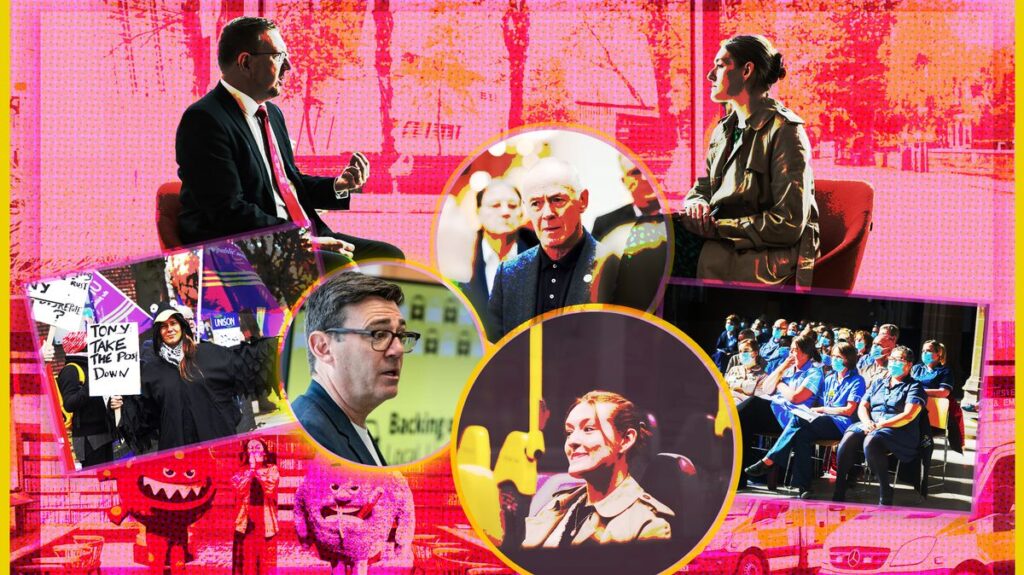
Helena Vesty has spent the last five years covering some of the biggest changes the country’s health and care system has ever seen from Manchester. Now she’s leaving the city, she looks back on the transformations, troubles, and turning points still to come
16:13, 05 Apr 2026

To many, the Covid-19 timeline is now something of a muddle – I know it is to me. But after some digging in the darkest corners of my mind, let me remind you of where we were in 2021.
We kicked our third lockdown, the coronavirus vaccine was being rolled out, and the country was in the midst of figuring out exactly how restrictions would work going into the sort-of-but-not-quite-yet-post-pandemic world.
Across that spring and summer, it felt like Greater Manchester was a place where the glaring errors, organisational shambles, moral pains, and deeply personal hurt of the response were being laid bare.
A study found the Covid death rate in Greater Manchester was 25 per cent higher than the rest of England throughout the pandemic. Mayor Andy Burnham accused the Scottish government of ‘hypocrisy’ as First Minister Nicola Sturgeon announced a travel ban between Scotland and parts of Greater Manchester because of rising cases in the area.
Get MEN Premium now for just £1 HERE – or get involved in our WhatsApp group by clicking HERE. And don’t miss out on our brilliant selection of newsletters HERE.
Organisers of an impromptu AJ Tracey gig in Platt Fields Park were fined thousands of pounds after huge crowds gathered against Covid-19 rules. Then, the first of many aggressive variants of the disease began wreaking yet more devastation.
It was that year, in September, I began covering the NHS, health and social care in Greater Manchester. I’d been a general news reporter in Greater Manchester since 2018.
Health was a notoriously difficult beat and I was entering it during its biggest crisis.
Communications from the NHS and social care systems about exactly what state they were in day-to-day were strictly policed. In my experience, many people breaking cover to tell the trut about how hospitals or care homes were run could face being reprimanded – and that included myself.
It became exhausting and has since been a major feature of the Covid-19 Inquiry and post-pandemic public discourse, with health and care staff sharing how they were threatened with their jobs if they spoke out.
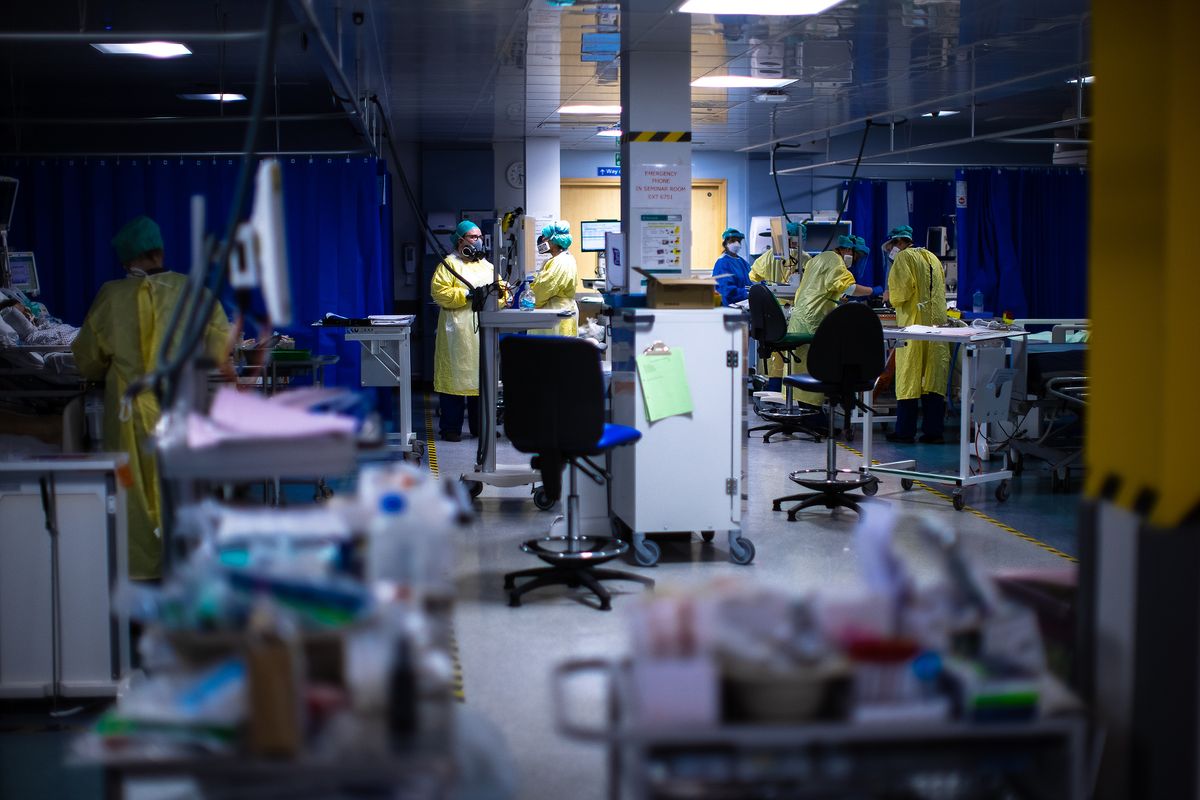
The Covid-19 response in February 2021, in Wythenshawe Hospital(Image: Joel Goodman)
Even after the country was out of the thick of the pandemic, I was told on more than one occasion by senior people within the health service that I simply must be anti-NHS, based on perceived negative stories I’d written.
I’m not sure what these voices think journalists earn these days but, once again, I’ll remind them that I can’t afford private health care. Just like millions of other people in this country, I am hugely grateful for the care the NHS provides.
My family uses it, so do my friends, and the hundreds of patients and staff I’ve spoken to through the course of this job and come to care deeply about.
I know intimately the delays, the frustration of being bounced between services, the confusion when you can’t get an answer about what the problem is. I’ve been there time and again.
I also know I’ve received fantastic care that has shepherded me through difficult periods with my own health – not least the time I inexplicably was attacked by a deer while on holiday and needed a bit of stitching back up. It was a first for my long-time GP, and I’m sure a welcome one considering how we laughed at the sight of me limping into his surgery.
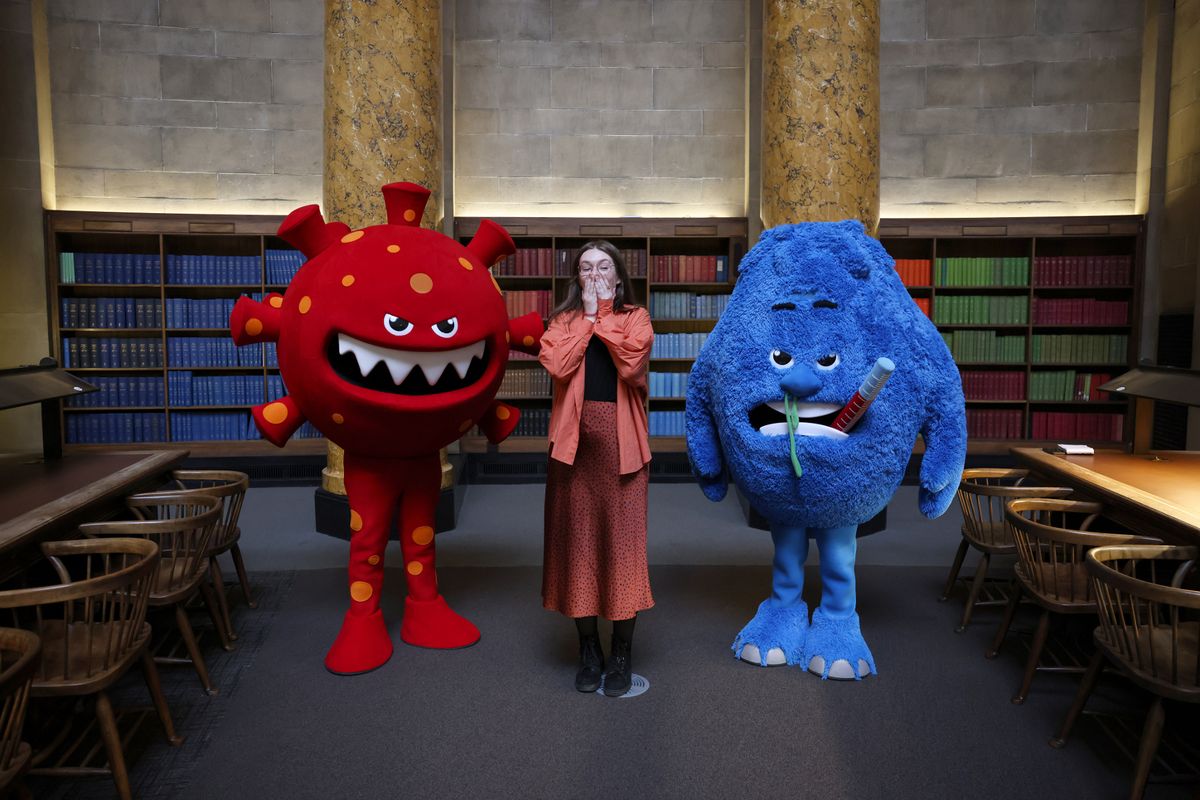
Helena got to know the bugs of Greater Manchester all too well(Image: Manchester Evening News)
A special place, kept going by special people
There are so many examples I could give of how fantastic our health and care services are, especially in Greater Manchester.
We have the largest NHS trust in the country, and our region is home to 10 major hospitals, a multi-billion pound organisation that’s one of the largest employers that attracts the best minds and most capable pairs of hands from around the globe.
Staff inside that trust are leading the way when it comes to driving innovation, like one anaesthetist at Wythenshawe Hospital who has helped to turn one of the highest NHS polluters into one of the lowest, by stopping environmentally destructive anaesthetic gases being supplied to the hospitals when they haven’t been used for treatment in years.
Elsewhere in the region, we also have the world-renowned Christie cancer centre, saving lives with groundbreaking research and giving patients a less invasive and physically gruelling experience with advancing techniques like the latest robotic surgery.
And then there’s all the quiet, brave Greater Mancunians who doggedly thunder away, day-by-day, to keep families going through their darkest times. They might not be political leaders, or have PhDs, they might never even get a thank you for what they do – but they have a hell of a lot of life experience and boy, do we need them.
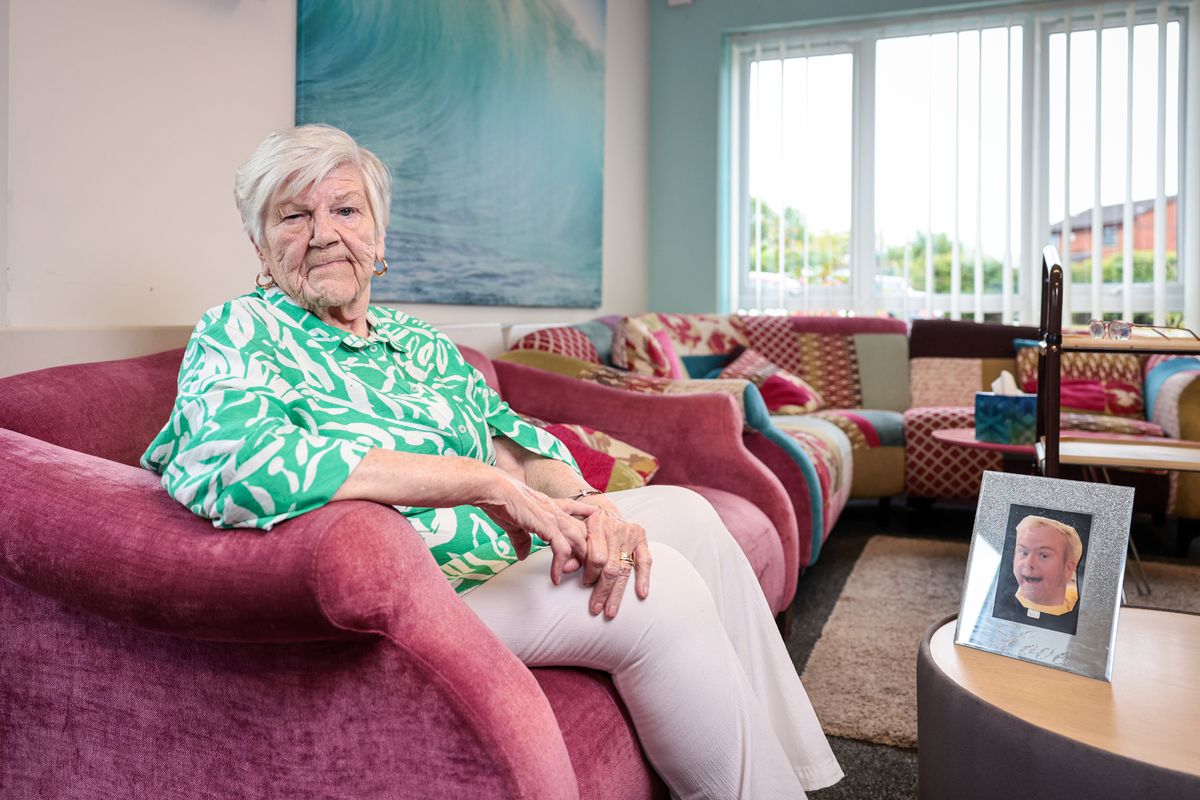
Geoffrey (pictured in frame) was born with Down’s Syndrome in 1978, and at 38-years-old with five children and two jobs, mum Bernie struggled from the start(Image: Kenny Brown | Manchester Evening News)
I think of Bernie Wood, a north Manchester stalwart in her 80s, who has spent her life as the surrogate mother, aunt, grandmother, friend and guardian to so many people in the city. She’s spent more than 40 years as the general manager of Talbot House, a centre dedicated to supporting people with learning disabilities and complex needs, and their families.
Bernie is still tirelessly fundraising and campaigning for change – and has shared hard, sometimes ugly, truths about her own experiences raising a son as part of her efforts to make a difference.
Often, I don’t think people in other parts of the country really recognise how special Greater Manchester’s health and care system is. And it will never fail to make me proud that I’ve had a ringside seat to see them – and the brilliant people that keep them going.
So, it matters to me that the NHS improves across the board, because we all use it, and we all pay for it. I’ve written these stories because the NHS is a mammoth public service that we all should be holding to account because it should be held to a higher standard.
One of the ways that the NHS gets better is best summed up by a phrase that my Boltonian mum and Salfordian dad use to raise a smile during those hard moments in life: ‘Get the skunk on the table’.
Getting the skunk on the table
Tackling difficult, uncomfortable, avoided problems requires a frank discussion before they get any better. I still hold true that during the pandemic, at times, there wasn’t enough transparency around the state of health and care services.
I’m glad to say this discussion has improved, but the region has had plenty of hard moments in my time and they still need addressing.
It’s no accident that people are losing faith in their NHS, not just in Greater Manchester but the rest of the country too, when they are actively told to avoid A&E because long waits are just par for the course.
Now, it feels like there is increasingly little difference between summer and winter in the NHS, because the demands of our increasingly complex, aging population are far outstripping capacity. Violence and aggression are regularly levelled at frontline health and social care staff just trying to do their jobs.
And beds are so scarce because successive governments have refused to fund a social care sector fit for the future, which would allow people well enough to leave hospital to go home. Perhaps because these changes wouldn’t look particularly sexy on a manifesto, and would take longer than one general election cycle.
Just a few short months ago, my heart sank as I found myself writing about maternity services yet again, a theme which has kept me up at night over the last five years. After the tragic deaths of a young mum and her newborn during a home birth, I wrote that for so many, what should be one of life’s most important moments is instead a birthing experience characterised by fear, insecurity, injury and complication they feel should never have happened – trauma.
I’ve been told many times by hospital bosses that the families having a good experience far outweigh the bad – ‘just think of the number of births that happen on a daily basis in Manchester alone’, they say, ‘the few bad experiences are the ones that always make the headlines’.
It’s not just a few anymore. It’s not just anecdotal.
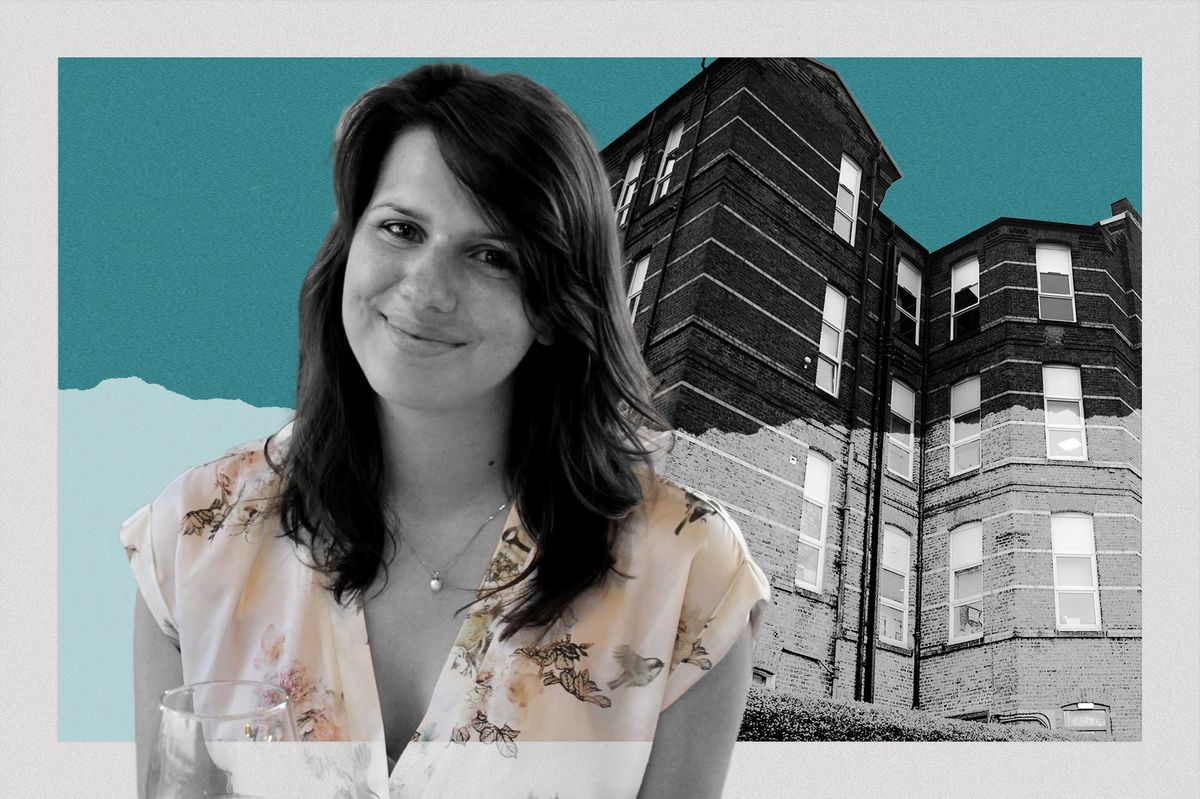
The inquest into Jennifer Cahill’s death, and that of her daughter Agnes, after a horrific home birth has revealed tragic maternity care failings(Image: Manchester Evening News/family handout)
Right now, only one hospital trust in Greater Manchester has a maternity service rated ‘good’ by the Care Quality Commission – the other five are all ‘requires improvement’. And that fear, insecurity, injury and complication is spelled out on a national scale in the government’s recent birth trauma inquiry. NHS staff have been raising the alarm just as loud that they cannot possibly give the standard of care they want to because they’re hampered by a failing system, laid bare in multiple independent health watchdog reports.
Mental health care in Greater Manchester has also been a long-running saga, plagued in recent years by nothing short of incompetent leadership and woeful short staffing – the latter fed by a cycle of horrific workplace culture, staff who once cared resigning in exhaustion, those who remain shouldering the mounting pressure, before leaving the region’s mental health services themselves.
I’m still yet to see services go through the reckoning they desperately need and come out of the other side changed for the better, and it’s perhaps the NHS story which still makes me rage.
Nobody, especially those who might be fighting and failing to be able to advocate for themselves, deserves a service that leaves them so vulnerable. And I still get nervous to open my emails or pick up the phone and find the account of another family reaching out to say their loved one was failed when they needed help most. It doesn’t need to be this way.
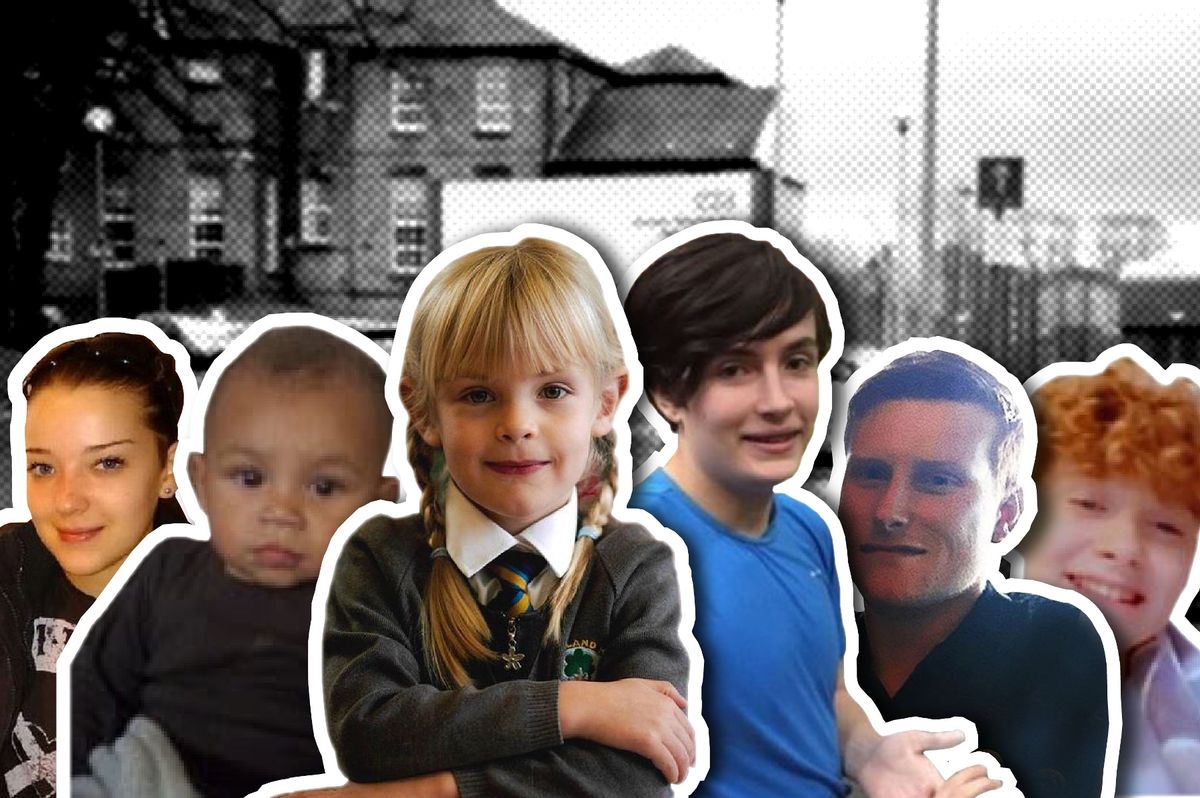
A number of high-profile cases identified major failings within Greater Manchester’s mental health services(Image: MEN)
I refuse to lay the blame at the door of families trying to navigate a labyrinthine system they’re not medically qualified to fully understand. Nor do I lay the blame before immensely skilled but desperate midwives, nurses, and doctors, propping up health A&E, maternity, mental health, and other types of units not safely staffed.
We should be pointing the finger at successive governments failing to properly fund and staff a service fit for a population whose needs have changed, and the health leaders who wilfully abdicate their responsibilities to run a service people deserve. It’s a national scandal in one of the wealthiest, most advanced countries on the planet.
Change can happen, I’ve seen it
Next stop for me is Melbourne – Australia, rather than Derbyshire. After so many years at the centre of the health and care system in one city beginning with the letter ‘M’, I thought it would be amiss not to take a look at where it’s heading next before I start the next chapter too.
In the last decade, Greater Manchester and its leaders, including the likes of Mayor Andy Burnham and health boss Sir Richard Leese, took advantage of the power devolution gave over health.
The importance of seizing that autonomy cannot be underestimated in a place which suffers immense health inequalities – where our loved ones and neighbours will live in much poorer health and die far sooner than if they happened to be born in the south east. Inequalities that have been fuelled by disproportionate economic deprivation over generations.
That control Greater Manchester has been able to exercise over its health and care system in recent years has led us to be able to actually improve people’s health. It has allowed us to bring hospital bosses, GPs, ambulance leaders into the same rooms to make decisions together in a new kind of ‘integrated care’ system.
It’s allowed us to do things like bring in debt advice and employers into health centres, so people can get on top of the things that suffer when you’re not well, or cause you to become unwell. The region will carry on in that mission in the coming years to make health and care more preventative, and in the last few weeks alone, the national government has said it will copy our way of doing things.
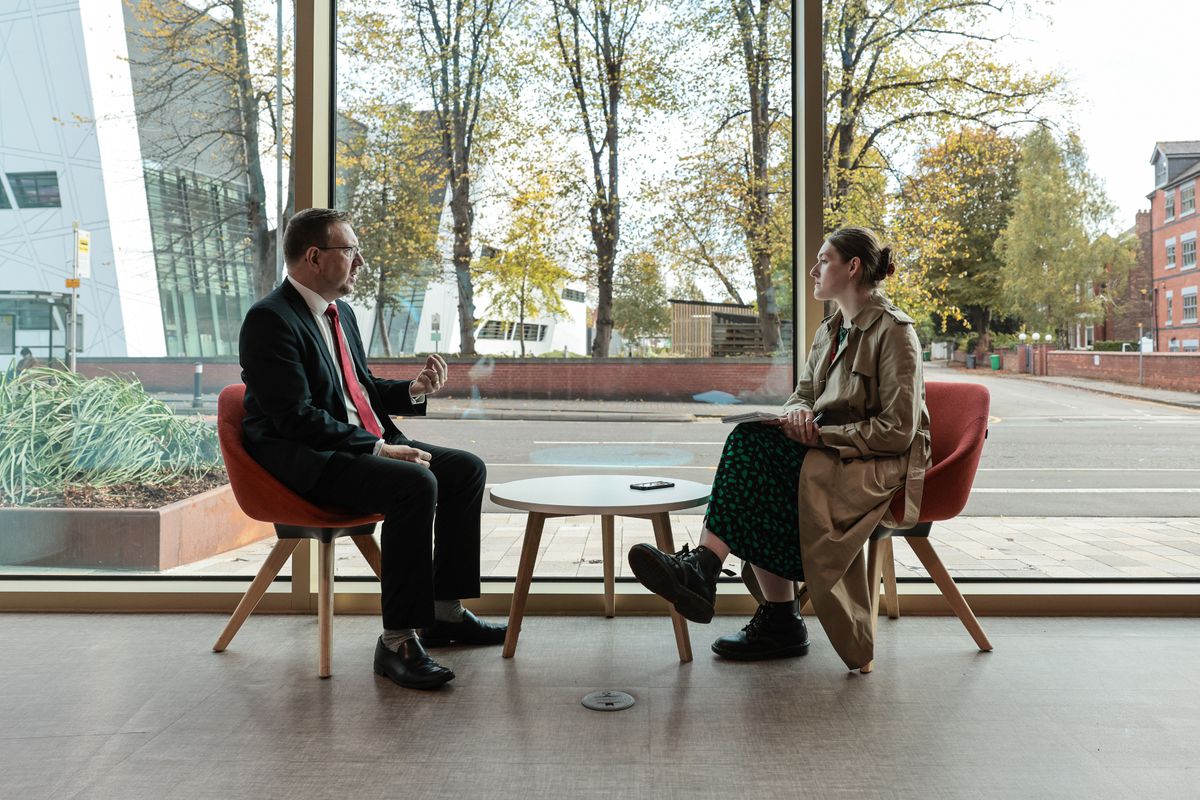
Helena challenging former MP Andrew Gwynne on a rebuild for Stepping Hill Hospital(Image: Kenny Brown | Manchester Evening News)
The Victorian-era North Manchester General Hospital is going to be rebuilt, and is on schedule. After too long falling apart at the seams, some noisy teamwork between the hospital, Manchester City Council and a Manchester Evening News campaign forced Health Secretary Wes Streeting stuck his hands in his pockets and gave £1.5bn to a place where generations of Mancunians were born, lived, worked, and died. I hope attention will next turn to crumbling hospital at Stepping Hill.
A refrain that gets repeated a lot in health and care is that it’s really hard to make change. The reasons cited might be complex existing structures, entrenched health inequalities, rising demand, the fallout of latest technologies – and dwindling resources to attack any of the aforementioned.
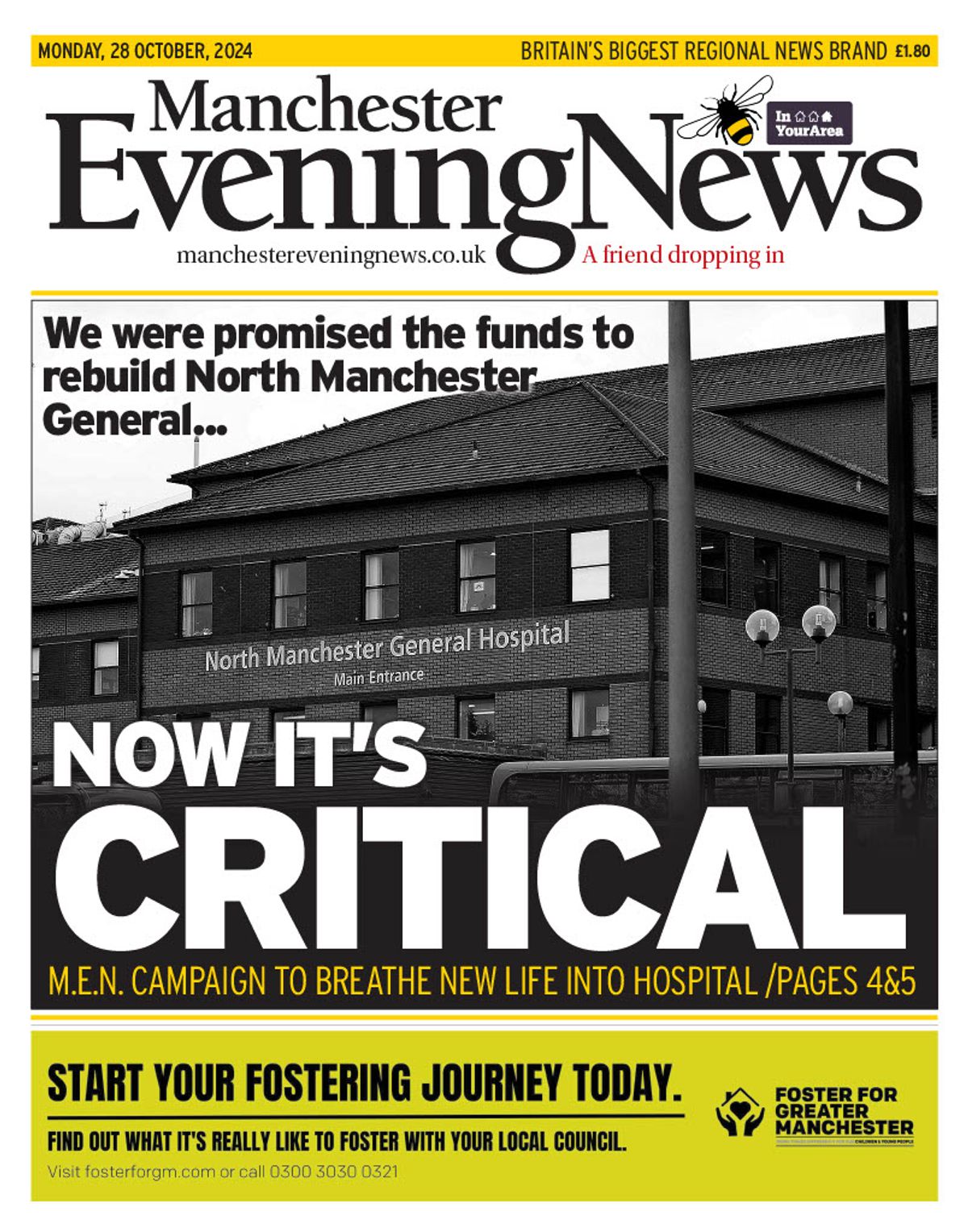
The M.E.N. launched a campaign to get the money for North Manchester General
But change can happen, I’ve seen it first-hand and I know that it ricochets around the world – other cities take notice of places that do things well and want to do the same. Here in Greater Manchester, healthy life expectancy is slowly rising, people are taking advantage of integration, and health leaders are fighting for funding to make our historic hospitals fit for the years to come.
It can take years to see results, even generations when it comes to improving how long people will live and in what condition. But there’s a lot we get right here in Greater Manchester, a lot that will save lives here home and away, and a lot of people driving that desperately needed change.
I’ll be out there spreading the word about the very special city that’s doing things differently. It’s been a privilege.