
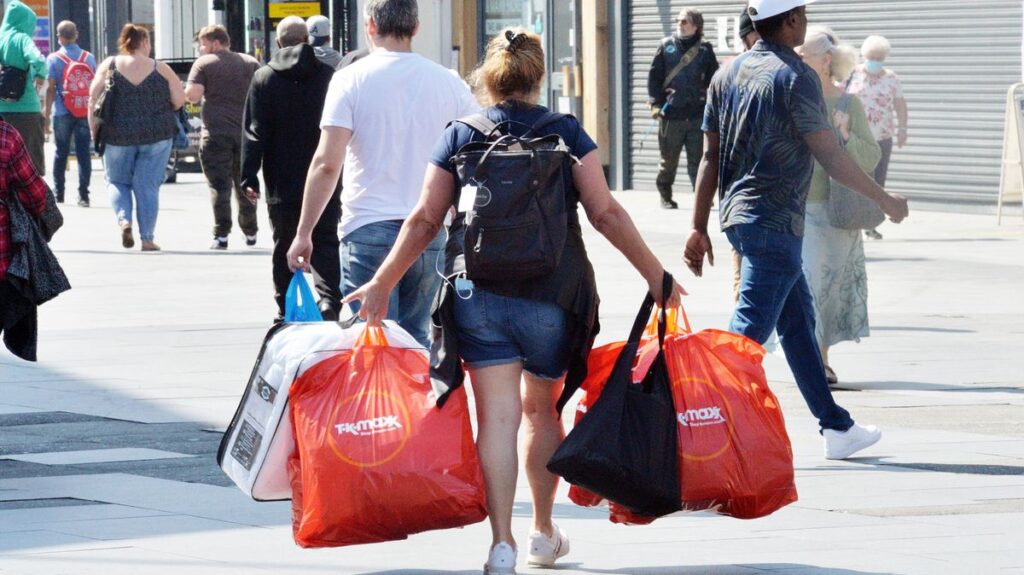
The study was based on levels of disposable income after households have paid monthly bills
Residents in Leicester are among the poorest in the country.(Image: Leicester Mercury / Chris Gordon)
A Midlands city has been named as the ‘poorest’ in England in a new study.
The average resident in Leicester barely has any money left once household bills have been paid, leaving them in a permanent poverty loop.
The study assessed levels of disposable income families have once mortgages, rent and other bills have been paid.
READ MORE: New bin collection rules across the whole of England from Tuesday
Get breaking news on BirminghamLive WhatsApp
Leicester was ranked bottom of the list of English cities, with an average gross disposable income of £16,067.
Other Midlands cities were also in the bottom 10 including Nottingham, Stoke-on-Trent, Wolverhampton, Walsall and Birmingham.
Disposable income is perhaps one of the most effective measures of poverty and deprivation.
It provides evidence of a household’s spending power, or lack of it – how much they can put towards family trips, days and nights out and shopping beyond weekly essentials.
Those with very little spare cash are left struggling to pay bills without having anything left over, leaving them desperate to make it to pay day once again.
READ MORE: They are hiking your council tax again – but council chief executives earn more than Prime Minister
It also means families are likely to have little or nothing in savings and no security net should they run into crisis.
All of the cities and tows in the bottom 10 were either in the Midlands or north.
Nottingham was second lowest on the list, with Stoke-on-Trent sixth lowest.
The study was based on data from 2023, the most recent available and analysed by BestWallClockArchive.
Major towns and cities with lowest gross disposable income 2023
Leicester – £16,067Nottingham – £16,823Kingston upon Hull – £17,001Blackburn – £17,049Stoke-on-Trent – £17,626Bradford – £17,784Wolverhampton – £18,174Walsall – £18,199Birmingham – £18,312
Experts behind the study said: “How much money people actually have left at the end of the month can shape everything from lifestyle choices to long-term opportunities.
“Across the UK, disposable income varies dramatically depending on where you live, revealing a growing divide between areas where households are thriving and those where finances remain stretched.”