
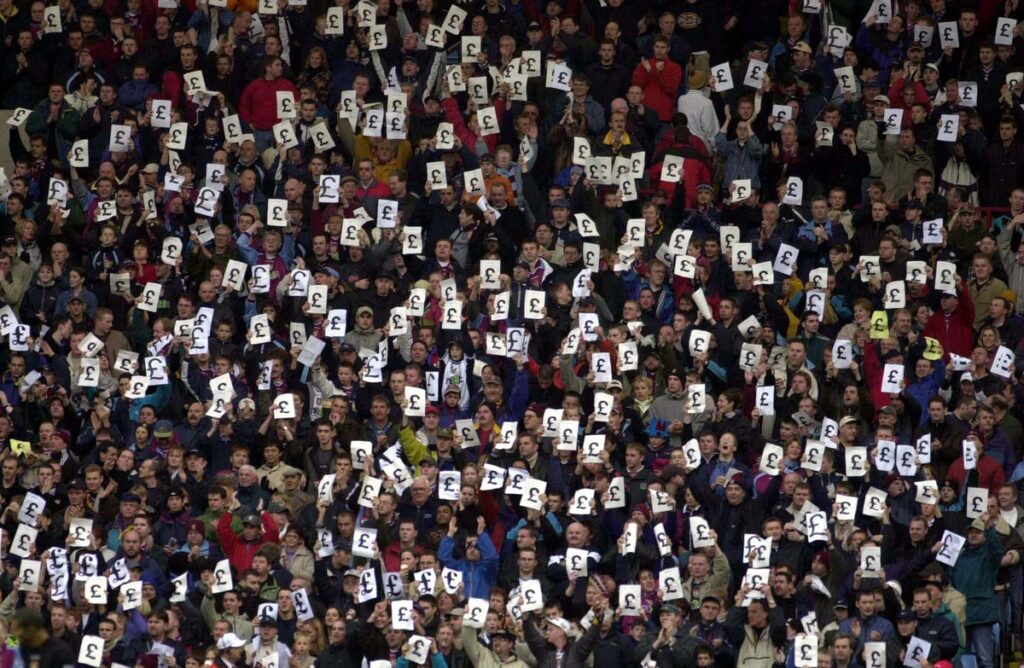
It said much about the condition of English football that so many of its clubs made headlines this week, without a single domestic ball being kicked in the top two tiers.
As a slew of clubs released last season’s accounts, the numbers invariably showed English sides as loss-making, whichever division they are in. Even in the Premier League, deficits are abundant. Of the 19 clubs that reported accounts from a 2024-25 campaign in the Premier League, just six turned a profit. Combined losses total £713million ($943m).
Two of those six were only profitable due to transactions that have solidified the presence of a concerning term in the footballing lexicon: intragroup sales.
At Aston Villa and Newcastle United, the internal restructuring of assets by club owners generated combined paper profits of £247million. At Everton, who still posted a loss, similar moves generated £49m. Strip those out and Premier League losses topped £1billion.
In essence, the moving around of companies or assets within the wider group controlled by each club’s owners created accounting profits. The profits improved the bottom lines of teams who would otherwise have each posted pre-tax deficits beyond £50million.
Intragroup sales have occurred sporadically in English football at various clubs, but were most egregiously employed at Chelsea following BlueCo’s takeover in May 2022. In their 2022-23 accounts, Chelsea recognised £76.5million in paper profits through selling two hotels and a car park to a sister company. A year later, the internal restructure of the club’s women’s team added £198.7m.
On Tuesday, it was revealed Newcastle turned an otherwise record loss into a £34.7million profit by ‘selling’ the club’s St James’ Park home and adjacent land to a new company, three days before the club’s accounting year-end date last June. The company was set up by the club’s ownership group, headed by Saudi Arabia’s Public Investment Fund (PIF).
The latter point was seemingly enough to obscure, for some, what the actions of last June now mean: Newcastle United no longer own St James’ Park.
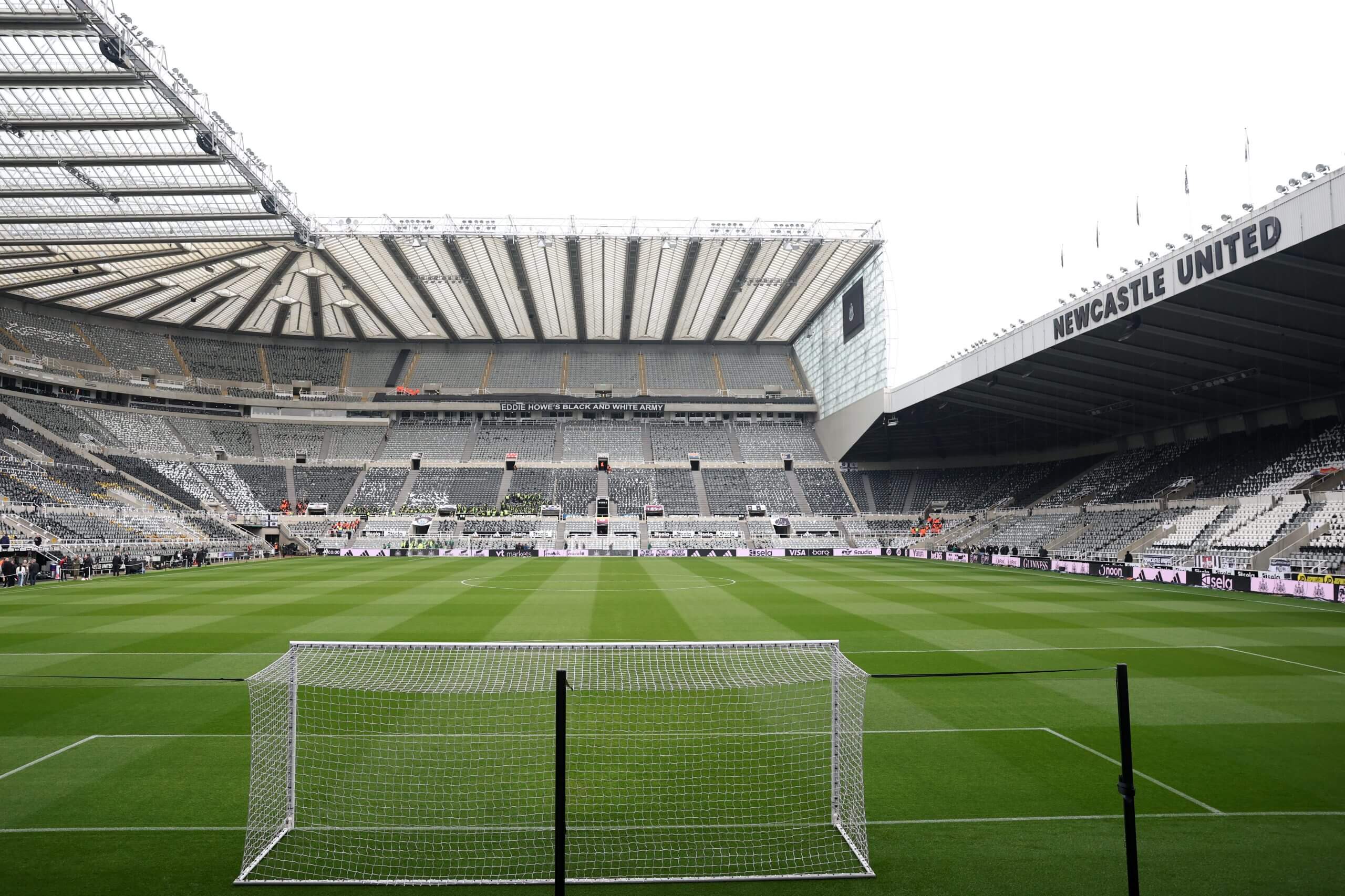
Recent accounts reveal that Newcastle no longer their stadium (Stu Forster/Getty Images)
Unlike The Athletic’s reporting on the club’s newly released figures, few others led with that as the big takeaway. For plenty, removing the stadium from the club’s control was just a consequence of modern football, perhaps even a good thing. It will help Newcastle comply with the Premier League’s profit and sustainability rules (PSR), and it’s not like they are the first to exploit a loophole.
Newcastle say their primary motivation was not the PSR benefit. According to Simon Capper, the club’s chief financial officer, the internal restructuring was designed to “reorganise our property assets and get them into the correct legal boxes to allow us to go forward with our potential (stadium) development”.
There’s credence to that, albeit the further we go without tangible progress on the future of Newcastle’s home ground, the less credible it will sound. The fate of St James’ Park has been a live issue since PIF arrived in October 2021, and we’re now nine months removed from the internal sale with still no decision made on whether to expand or move. Those who assumed this was primarily a PSR swerve will only feel more convinced if that does not change.
Most important is what fans think of it all. Alex Hurst, of the prominent True Faith fanzine, highlighted the lack of attention being afforded to the St James’ Park issue, and it would appear that even as the club have said the move was made with long-term benefit in mind, no one bothered to tell supporters about what was happening to their club’s home.
There’s an argument that these matters are the owners’ prerogative and the owners’ alone. Clubs are privately owned businesses and owners can do as they please with club assets. Fans have no right to be consulted. If they don’t like it, stop attending.
Perhaps. But that is a callous way to view what is, at its core, a sport. It is easy to describe football clubs as regular old businesses when it suits, but anyone with a brain knows the description falls down without too much of a push. How else do we explain why so few football clubs actually cease to exist in England? It is certainly not because they’re on sound financial ground.
Fans remain essential to the enduring appeal of football clubs. There’s no better example of what it might look like without them than the Covid-19-impacted 2020-21 season, played out in your front room to a backdrop of empty stadiums. Remember that?
It has become a mantra for some to highlight that gate receipts account for the smallest sliver of most clubs’ income, yet who do these people think are watching the TV channels that stump up massive broadcast rights fees? If clubs don’t really need fans in the ground, try playing Premier League games with unoccupied seats dotting the stands and see how long it takes the TV companies to kick up a fuss. The atmosphere at English football grounds is one of its biggest selling points.
Shifting St James’ Park into another company won’t automatically dilute that atmosphere, but there’s a point here about clubs and their stadiums as community assets. Even the most arch-capitalist of owners would be hard-pressed to deny that much of the appeal of owning a club is the fervour and loyalty of its supporters. If a supermarket’s offerings get stale, we can go elsewhere. If Rochdale spend 36 years in the same division, fans will — and did — stick by them.
Using clubs’ homes as a tool of convenience is shaky ground to tread. Both Derby County and Sheffield Wednesday slumped into administration while their grounds were held by other companies, adding further complications to an already turbulent period.
Newcastle seem unlikely to suffer a similar fate but the ground they play in, laden with history and meaning, is no longer theirs. They are firmly at the whim of individuals who, until five years ago, had no real attachment to the club.
None of this is to single them out as a pariah.
One reason Aston Villa couldn’t have done the same thing with Villa Park last season is that they had already done it six years earlier. In May 2019, owner NSWE shifted the club’s home into its own newly formed company, ‘spending’ £56.7million on it in the process, in a much more blatant circumnavigation of financial rules.
The internal sales of two more women’s teams were highlighted this week, at Villa and Everton. Those are swiftly viewed in a similar light, with even noble aims obscured by the fact that such moves generated PSR benefits for the clubs.
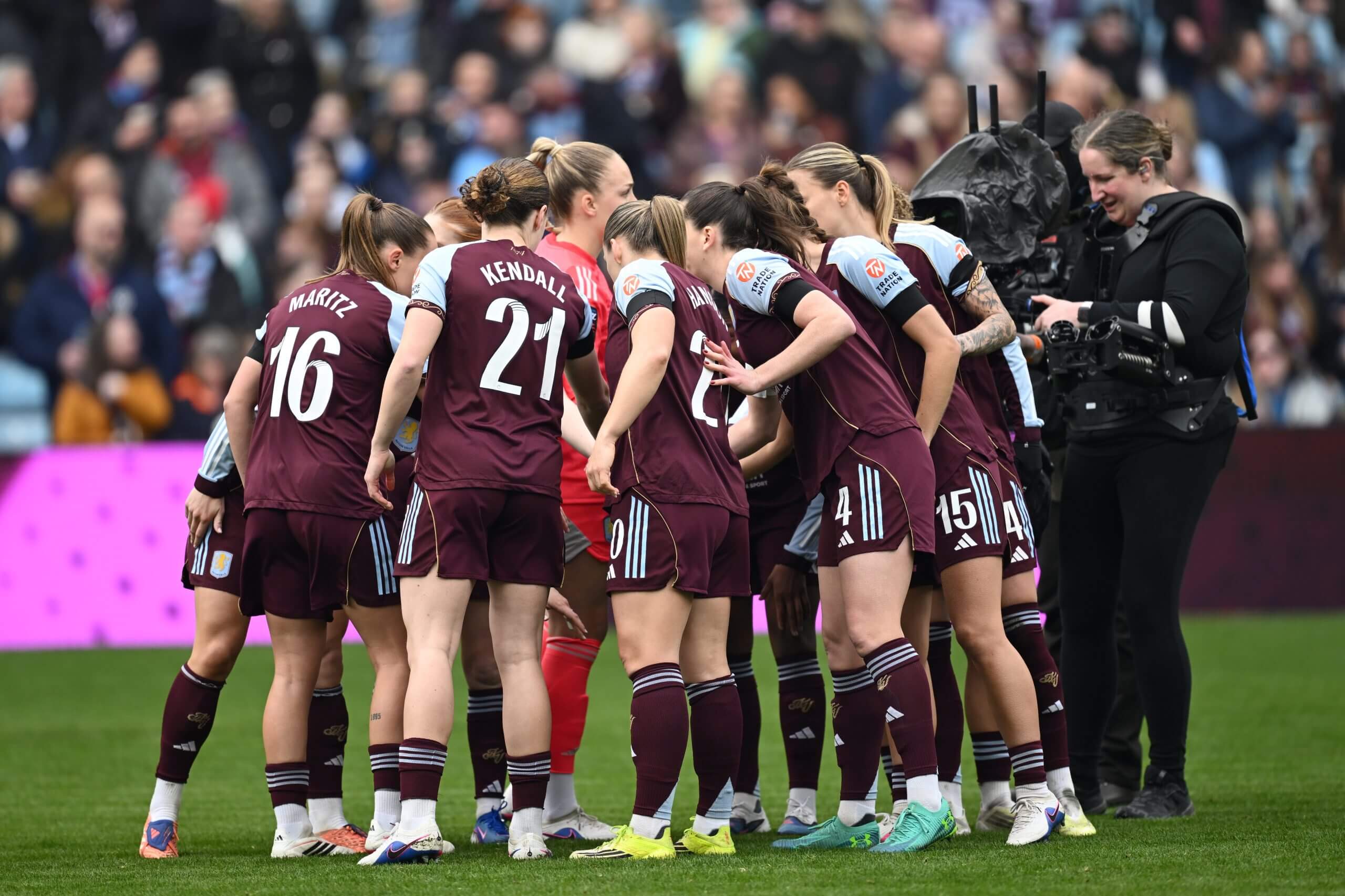
Aston Villa women’s team was subject to an ‘intragroup sale’ (Gareth Copley/Getty Images)
There is plenty to like about the idea of putting women’s teams on equal footing with the men’s, something Everton and Chelsea previously claimed they were trying to achieve when engaged in similar restructures. Everton have given their women’s team their old Goodison Park home — and, like Chelsea and Villa, they have received outside investment into their female teams since hiving them out.
Yet those good intentions get lost in a game hellbent on ruinous wage spending that leads to clubs digging themselves out of compliance holes. Women’s teams become, to the casual observer, another asset to be shifted around, another regulatory silver bullet.
Most maddening is that English football, for all its appeal, has been so stunningly obsequious to money in whichever form it arrives, and so devoted to spending as much of it as possible, that we are now in a position where club owners are shown sympathy for making these kinds of moves, or even commended.
Newcastle’s decision-makers might really have meant it when they said PSR wasn’t much of a consideration, but it certainly has been for others. And they’ve been driven there by a sport that cannot control its spending, even when the rules governing them aren’t particularly stringent in the first place. Losing £105million in three years is a death sentence for many businesses. In English football, it’s an aim.
The fact we’re talking about this at all is a damning indictment of where the game has taken itself. The inability of all but a tiny few to actually win anything of note is what pushes clubs toward actions detailed here. There’s no true fix on the horizon. The term “competitive balance” does not appear once in the 116 pages of the Football Governance Bill passed last year, which established England’s independent football regulator.
Newcastle and Villa have pulled levers to help them bridge a chasm to the Premier League’s ‘Big Six’, but any sane sport would be working to reduce that gap and encourage responsible management of community institutions.
Instead, within 48 hours, we’ve received confirmation Newcastle sold their ground to themselves, Villa did the same with their women’s team and a warehouse and, to open a whole other can of worms, Chelsea lost over a quarter of a billion pounds in one year and dismissed it as if it were the equivalent of losing a banknote down the back of the settee. And they broke no domestic rules in the process.
It might feel lazy to say football is broken but the sport is giving us little opportunity to provide a counterargument.