
Your questions answered after Leicester City filed their accounts for the 24-25 season, with losses of £71m announced, and with concerns over PSR and the future of the club
Jordan Blackwell
14:51, 30 Mar 2026
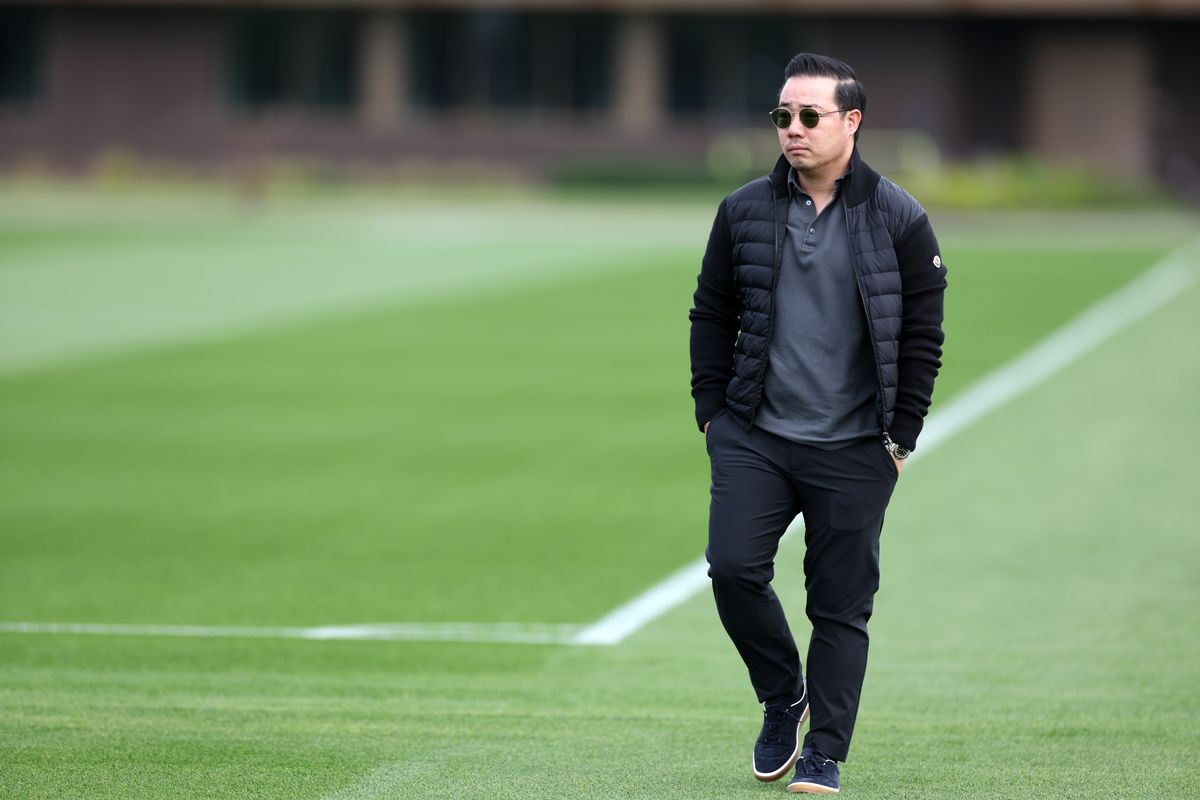
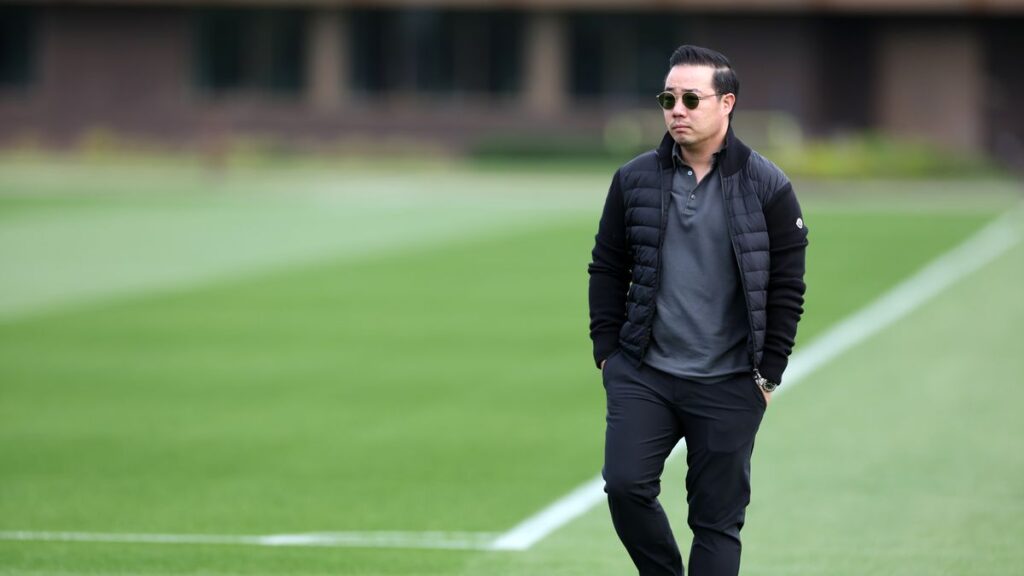
Leicester City chairman Aiyawatt ‘Top’ Srivaddhanaprabha at the club’s Seagrave training base(Image: Plumb Images/Leicester City FC via Getty Images)
Leicester City’s £71m loss in their latest financial accounts has been the big talking point of the past few days, looking at how it might impact the club when it comes to Profit and Sustainability Rules (PSR), but also their future as a whole.
Here, we tackle some of the big questions on fans’ lips.
Q: What’s the PSR state of play following City’s financial results?
The club say they have filed a compliant PSR assessment to go along with their financial results, and the authorities should already have looked over them too, as the accounts would have been filed in December last year, with any charges usually announced in January.
However, City’s previous case showed that the leagues may not announce charges until a previous case has concluded.
That happened last May, when the appeal over the 22-23 season was finally wrapped up, but with a fresh charge for the 23-24 campaign announced immediately afterwards.
City are currently in an appeal process over the 23-24 case, with both the club and the Premier League appealing the judgement that saw a six-point sanction issued.
The feeling was, when the judgement came through in early February, that City had complied with PSR for the three years up to the end of the 24-25 season, though now the accounts have been revealed, and there’s such a heavy loss, there are naturally doubts around that.
But as mentioned, the club feel they have complied. It’s known the PSR-adjusted loss (once addbacks are included) can be around £25m because of what the PSR-adjusted assessments were for the previous two years.
A final answer will emerge once the appeal process for the 23-24 case is over.
Q: What will be the impact of such a heavy loss?
The nature of financial accounts being for the previous season is that the impact has already been seen.
Those losses mean City have not spent anything on transfer fees this season, with only loans and free agents signed. The accounts did show that across the last two transfer windows, City had made a £41m profit on transfer dealings, and those will show up properly in the accounts released this time next year.
City have to be careful as the PSR assessment for this season as their permitted PSR losses will only stand at £61m, as the past three years includes two Championship seasons and one Premier League campaign.
Q: Is the club at risk of going bust?
Not while there continues to be cash put in by King Power and the chairman. Those are in the form of loans, but as seen last January, the chairman effectively wiped out £124m of debt owed to him and the parent company through an equity conversion.
But it does not feel sustainable for a club to continue to lose so much money, and also rely on loans from their chairman and from banks, with City still in regular business with Macquarie.
Not that many clubs are, but the focus needs to be on becoming more self-sustainable.
Q: What impact will the accounts have on summer transfers?
It’s not necessarily these accounts, but that City will have another season outside of the Premier League that will make the biggest impact.
The accounts showed that City’s broadcasting and sponsorship revenue rose by a combined £79m last season compared to when in the Championship two years ago. So that’s now at least two years in a row, this season and next season, that they’re not getting that £79m.
That gap has to be plugged in player sales and it’s fair to expect a few this summer, most notably for potential money-spinning assets like Abdul Fatawu and Ben Nelson.
Obviously, wages will come down while City are outside of the Premier League, so it’s not that they absolutely need to make £79m in player sales. However, they may also want some cash to spend on freshening up their squad, so plenty of outgoing business will be required.
What will make a difference is whether Championship clubs, assuming City stay up, vote to bring in the squad cost ratio (SCR) rules that other leagues are adopting.
That should ease PSR pressures. One of the differences with SCR is that all of a player’s sale fee goes towards compliance, and not just the profit on their book value.
So if say City sold Fatawu for £25m this summer, under PSR that would count as a £16.6m profit because the winger is still in the books at £8.4m, having joined for £14m on a five-year contract two summers ago. Under SCR, all of that £25m goes towards compliance.
That’s helpful, and also means there less of a need to sell homegrown players. Because they are in the books at next to nothing and bring in ‘pure profit’, PSR essentially encouraged clubs to sell their academy products. That wouldn’t be the case under SCR.
The other consideration is that, from the 27-28 season, City will no longer have any parachute payments, so they need to get their house in order for then too, in case they’re not back in the Premier League again.
Q: Who should replace Jordan James if he’s injured?
This is perhaps a bigger question in the short term. James would have been a certain starter for the last seven matches, but if the injury he picked up on Wales duty is serious, then City need a replacement.
In the matches where Rowett planned to use James as a 10, with Harry Winks and Oliver Skipp behind, that’s fairly simple. One of Divine Mukasa, Aaron Ramsey or Bobby De Cordova-Reid can deputise in a straight swap.
In fact, all three may be more suited to the number 10 role than James is anyway. Based on form and fitness, Mukasa would probably be the best option.
In the games where Rowett planned to use James as a box-to-box number eight, it’s more difficult to replace him.
There must be a temptation to give Joe Aribo a chance, given he seems the next best of the midfielders in terms of having the energy to get forward and back and influence the game at the top of the pitch.
England’s 2026 World Cup kits
This article contains affiliate links, we will receive a commission on any sales we generate from it. Learn more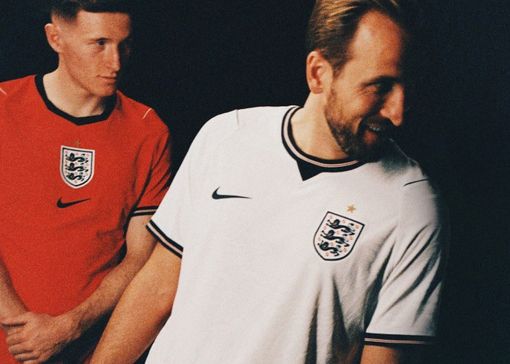
Various Prices
England Official Store
Buy Now on England Official Store
England and Nike have launched the new home, away and goalkeeper kits to be worn at this summer’s FIFA World Cup.
What City’s biggest transfer priority this summer? Click HERE to have your say.