
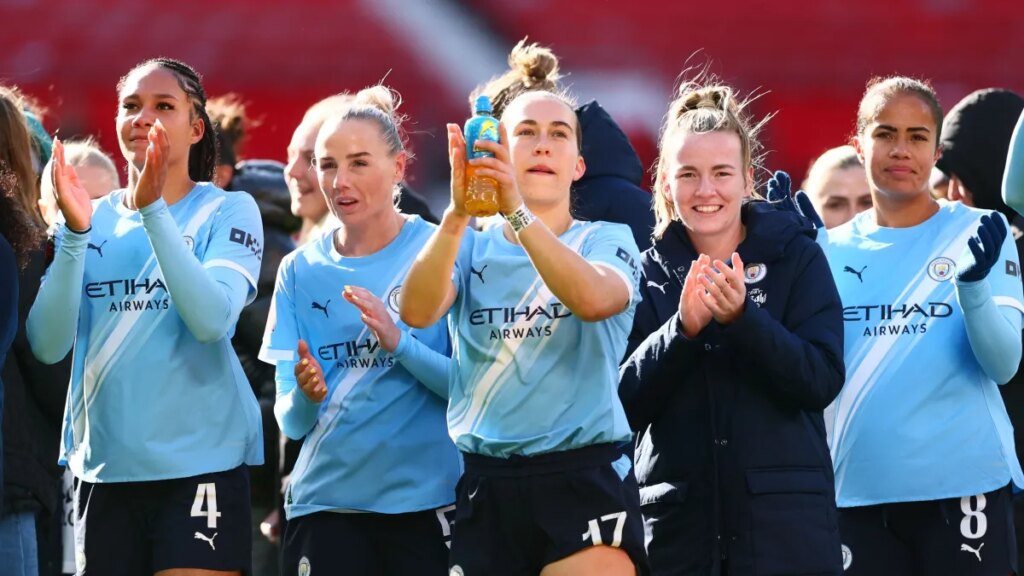
Manchester City’s outstanding Women’s Super League campaign bears the hallmarks of a burgeoning dynasty.
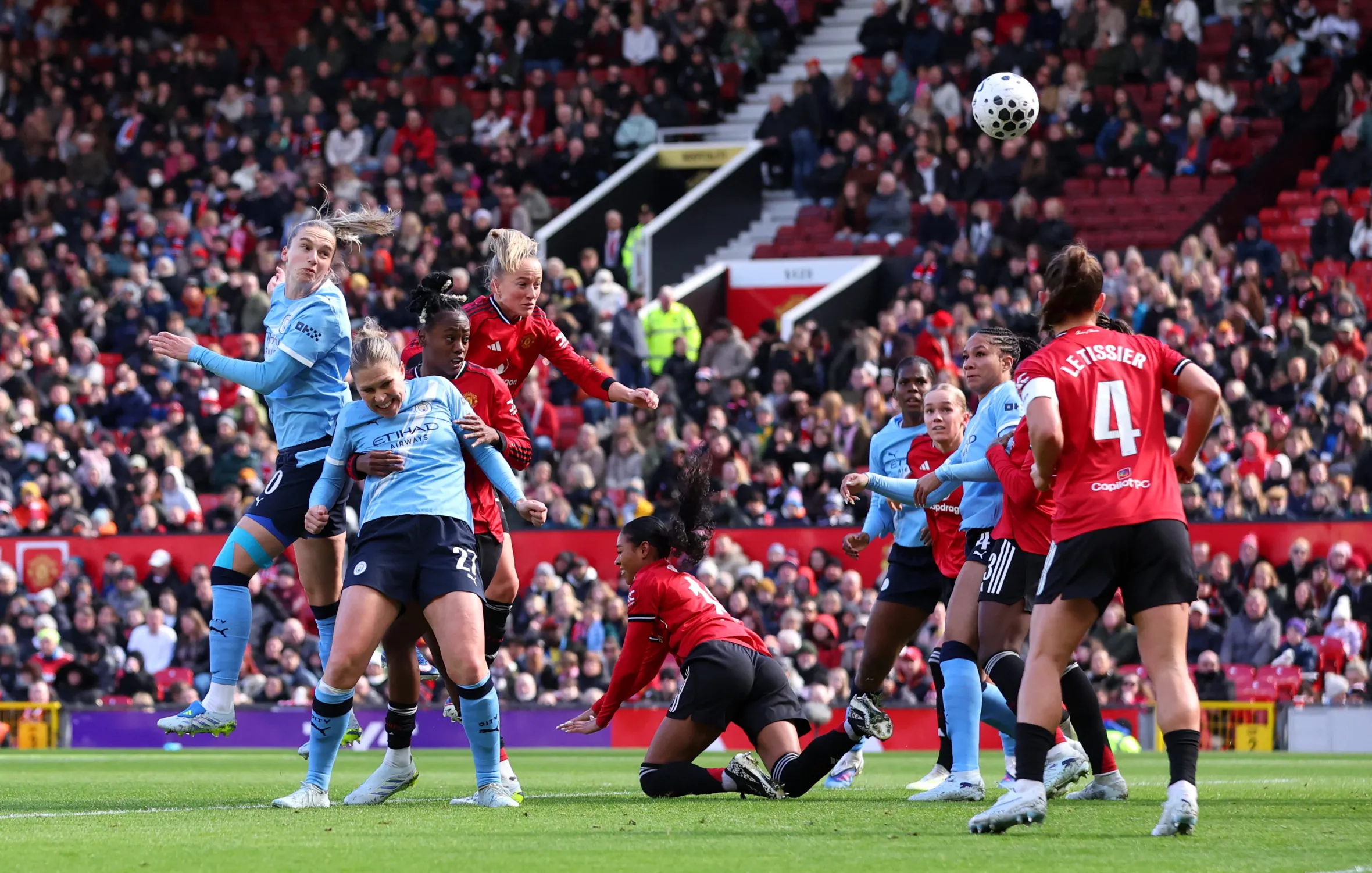
Saturday’s thumping of Manchester United at Old Trafford displayed their brilliance. City showed no sign of nerves with a first title since 2016 in sight, and the 3-0 scoreline flattered their local rivals.
Assuming Arsenal win each of their remaining five matches, which is no guarantee, then City would need five points from their final three games to become champions. Given they are all against teams no higher than sixth and City have dropped only eight points in 19 games so far, they can start printing the T-shirts.
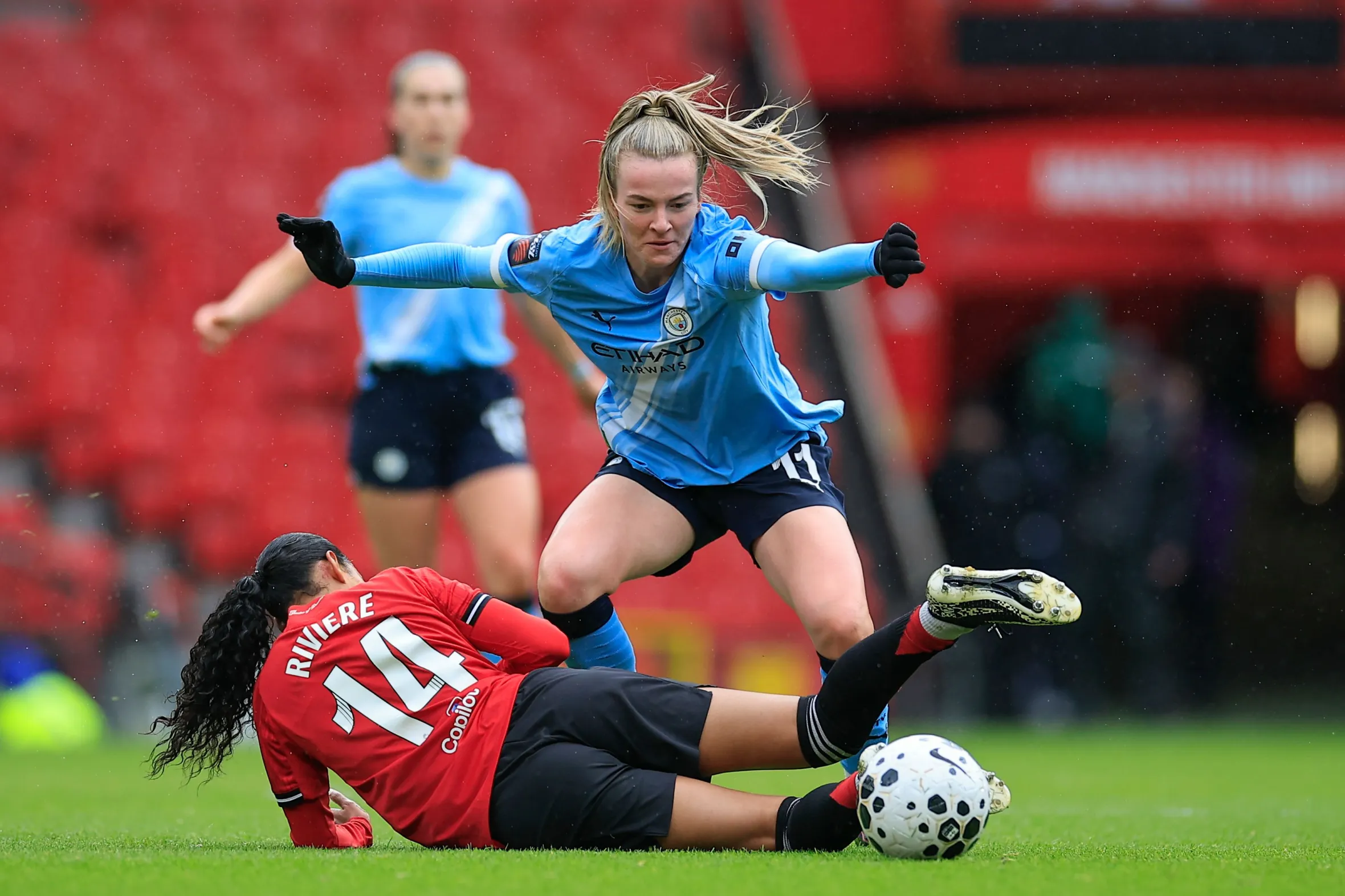 Hemp, the England linchpin, is part of a City team full of huge individual talent Shutterstock Editorial
There are cautionary tales worth recalling but this title — alongside potential FA Cup glory in May — could launch a dominant era. They certainly have individuals capable of racking up trophies.
Khadija “Bunny” Shaw is close to being the complete striker with a third straight WSL Golden Boot in her sights. Vivianne Miedema, scorer of City’s first two goals on Saturday, is the league’s all-time top goalscorer. Further firepower is provided by Lauren Hemp, a linchpin of England’s success under Sarina Wiegman.
Elsewhere, Yui Hasegawa is one of the world’s best holding midfielders. Kerstin Casparij, a right back, leads the WSL’s assist chart this season. Alex Greenwood captains astutely.
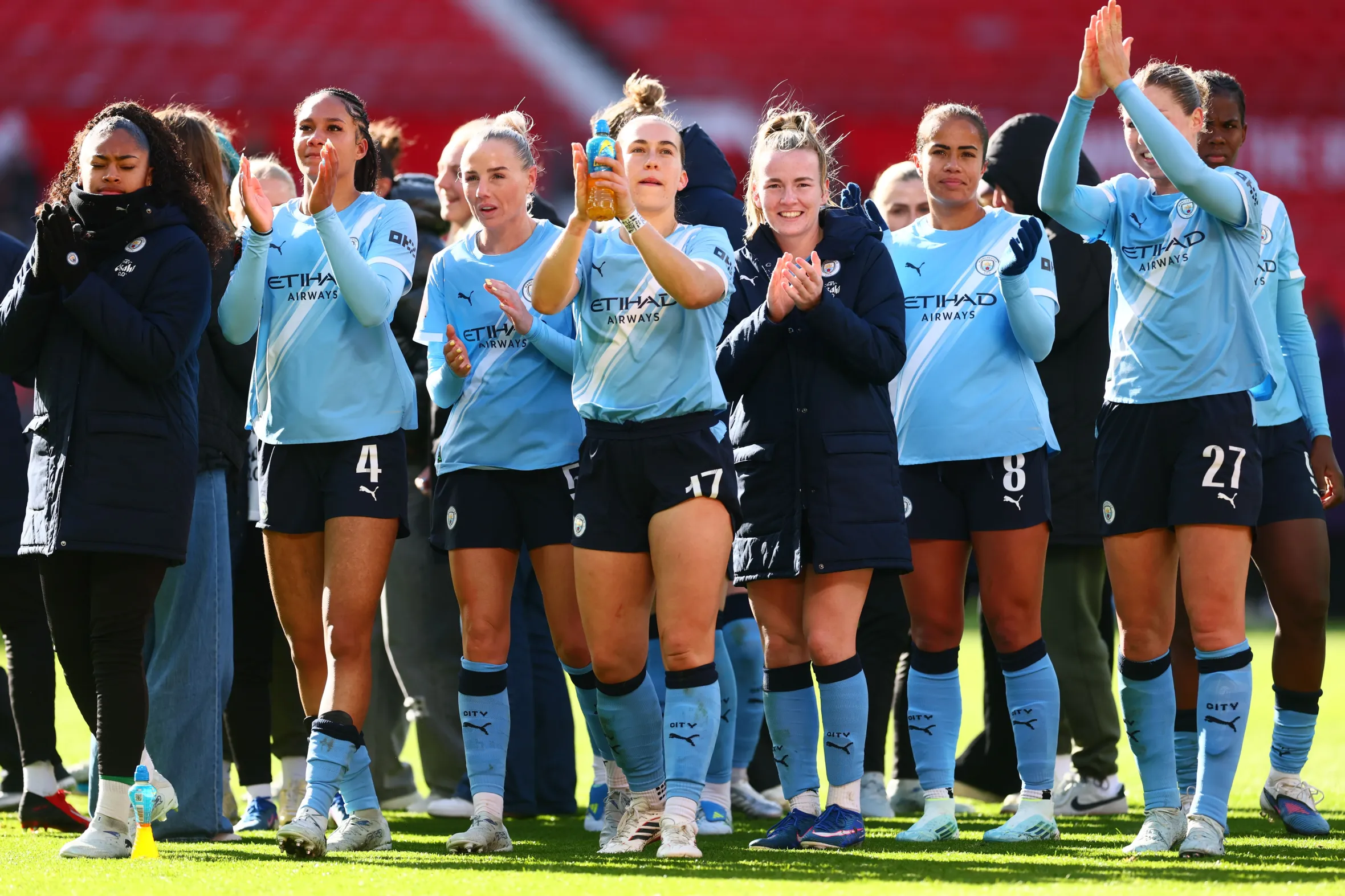 City players applaud the away fans after their victory at Old Trafford, where their mental strength was to the forePaul Currie/Shutterstock Editorial
City have steadily built depth. Jade Rose, the Canada centre back, has played well since signing last summer. Sam Coffey, the US midfielder, was bought for a club-record fee (£600,000) in January. City’s bench on Saturday included eight senior internationals.
Recruitment is led by Therese Sjogran, the 214-cap Sweden international who became City’s director of football in October 2024. City have had to contend with Chelsea’s interest in Shaw, who is out of contract this summer, but the London club’s inconsistent campaign and Sjogran’s track record suggest City can make a good pitch to their 29-year-old Jamaica striker.
The players have been moulded adeptly by Andrée Jeglertz, who took over as head coach after his time in charge of Denmark ended after Euro 2025. City have played some wonderful football under the Swede and their third goal against United — a flowing move that originated in their penalty area, featured first-time passing and was finished off by a roaming Casparij — showed how they can delight as well as dominate.
Jeglertz has also connected with City’s players psychologically, and this skill is particularly valuable after claims of dressing-room discontent under Gareth Taylor, his predecessor. Multiple high-profile players left City acrimoniously during Taylor’s tenure, with Chloe Kelly claiming the club tried to “assassinate my character” when she departed for Arsenal in January last year. Taylor was sacked in March, before Jeglertz arrived in the summer and built a rapport with players through his shrewd, affable personality.
“He’s a really calm guy but, at the same time, really intense,” Greenwood told the BBC on Saturday. “He allows you to be yourself and his door is always open. He is really understanding on a human level and that’s massively important, especially with women.”
During their ten-year title drought, City’s talented squads have perhaps lacked mental strength compared with Chelsea, winners of the past six crowns. Yet under their new head coach, City’s mettle is not in question.
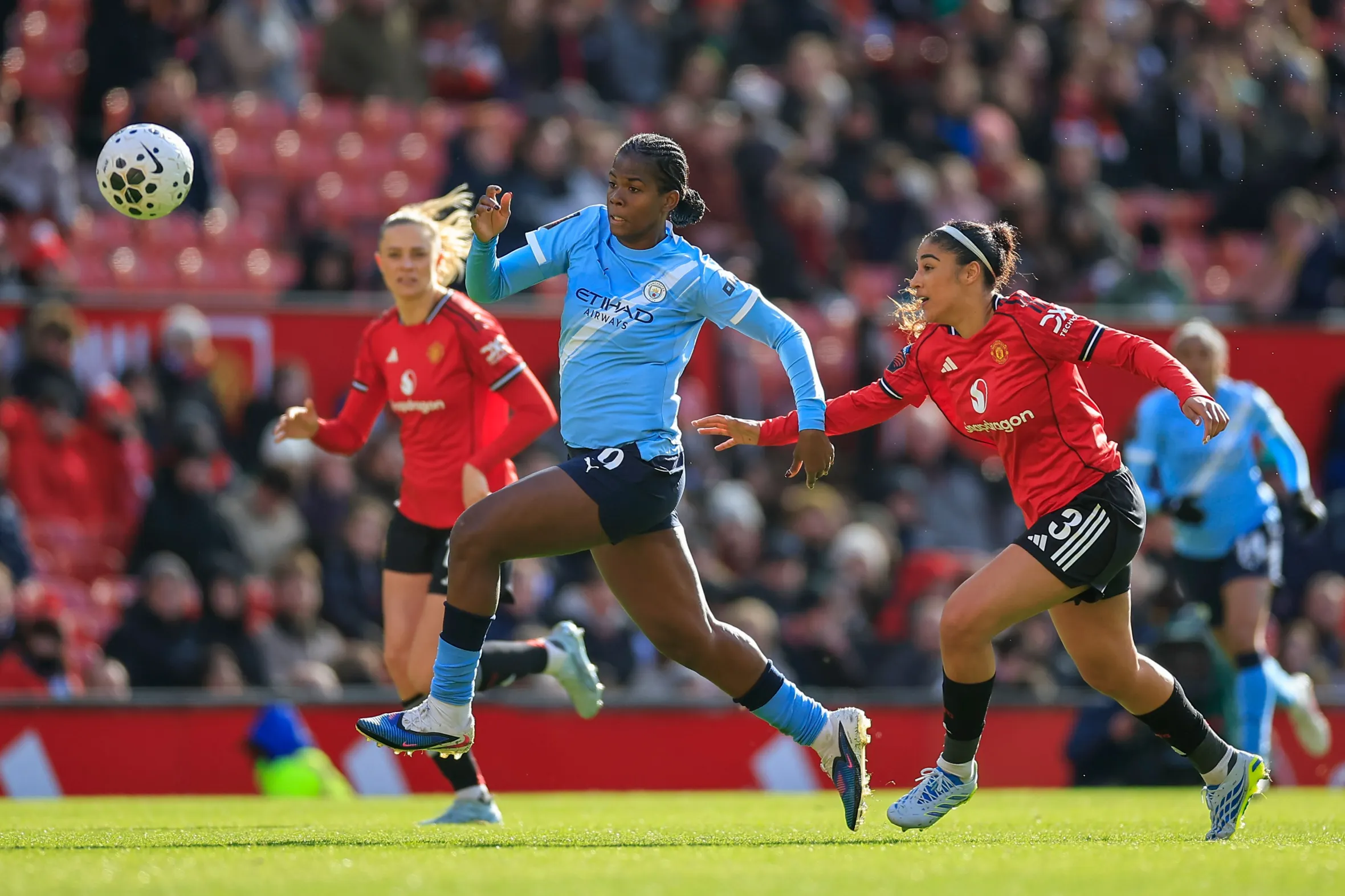 Shaw has a third straight WSL Golden Boot award within her sights Shutterstock Editorial
Considering this is his first season in England, Jeglertz, 54, should be merely getting started. His team’s age profile is encouraging too — of City’s 11 most-used players in the WSL, none are younger than 22, only two are in their thirties and Greenwood is the oldest at 32.
Their main rivals are in transition. Chelsea must decide how much they want to lean into the focus on young players that underpins their men’s team strategy. United’s recruitment has been solid but unspectacular, and they regularly load their bench with teenagers from the academy. Even Arsenal, who have overcome a poor start and are on an 11-match winning streak, want to reduce their average age this summer.
 Miedema, on target for City’s first two goals on Saturday, is the league’s all-time top goalscorer Reuters/Craig Brough
So, why won’t City remain rampant beyond this term? Last season’s woes have paradoxically given them an advantage and serve as a warning.
When fighting on four fronts, City wilted. By mid-April, three weeks after losing to Chelsea in the Champions League quarter-finals, they had ten players injured and were certain to go trophyless, ultimately finishing fourth to miss out on Europe.
This season, then, City have had a lighter schedule than Chelsea, Arsenal and United, all of whom have reached the Champions League quarter-finals. The lack of congestion is far from the sole reason for their success, but it has helped. Both Manchester derbies, for instance, came less than 72 hours after United had played in Europe.
As last season shows, City’s stars are fallible physically. Shaw started only ten WSL games, Miedema continued to battle injury problems that have hindered her since an ACL rupture in 2022, and the likes of Hemp and Greenwood missed significant time.
City’s injury record has improved this season, with Miedema and Shaw starting every league match, but they are still to demonstrate that they can win titles with the additional load of Champions League football. Chelsea possess a similarly deep squad, but have struggled to compete at home and in Europe amid an injury crisis this year.
Nevertheless, City’s strengths are undeniable and their weaknesses hypothetical. They have yet to prove they can thrive across competitions and seasons but — with a fantastic squad, smart leadership and the confidence that breaking their title drought will instil — they have earned the benefit of the doubt.