
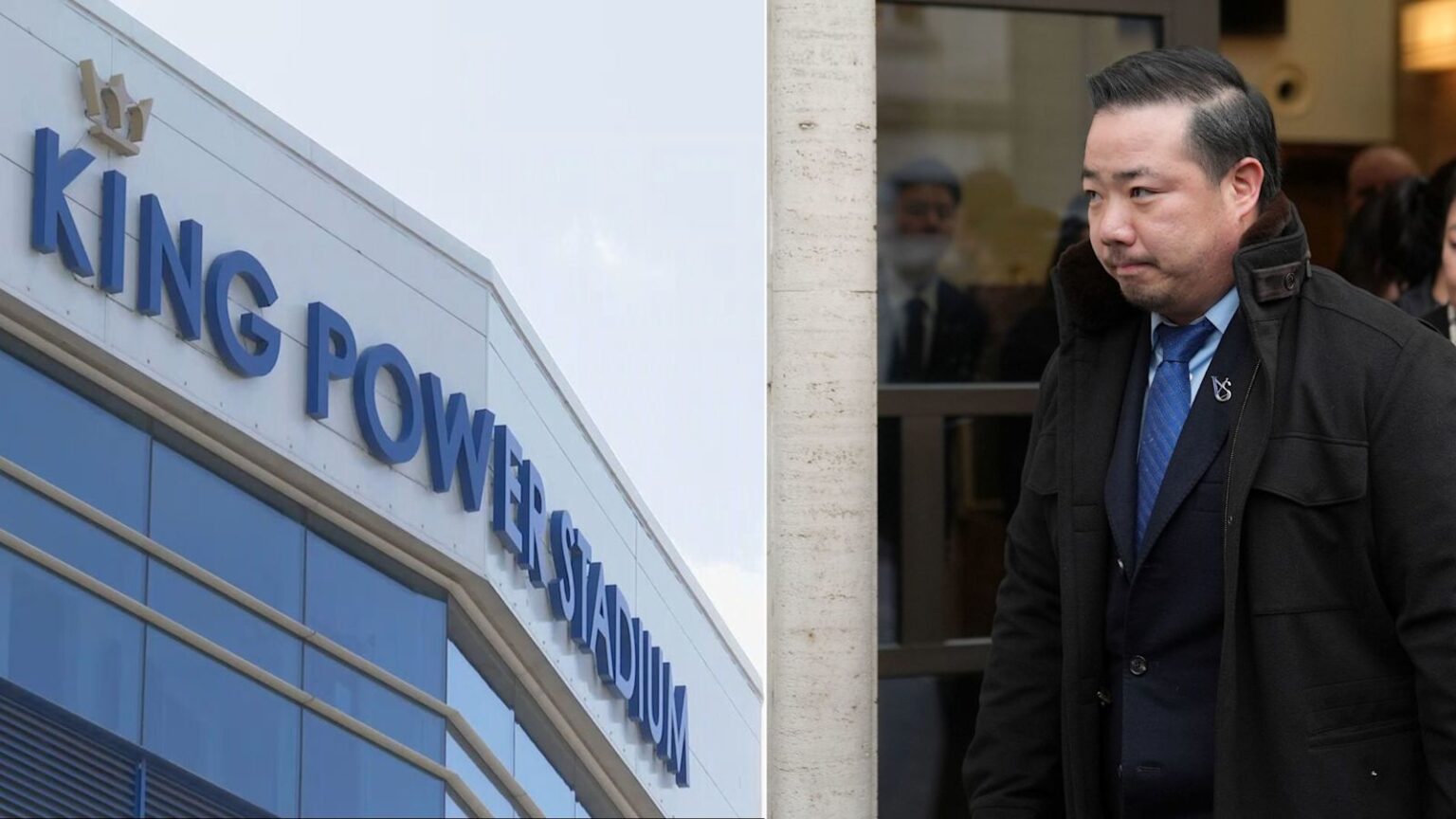
Just as Leicester City are teetering on the edge of relegation to League One, the club has announced losses of £71 million in its annual accounts.
It’s obviously a disastrous place to be for a club that won the Premier League ten years ago, but just how bad is the financial side?
The headline figure looks alarming, but it’s not unprecedented. Leicester City lost almost £90 million two years ago and many football clubs have an unhealthy dependence on owners plugging the gaps.
In 2023/24, Leicester City’s losses were down to £27 million, but the ‘underlying operating position’ is actually better than it was then, meaning income rose more than the costs in returning to the Premier League for 2024/25.
So why is the loss so much bigger?
In part, it’s due to Leicester City selling Kiernan Dewsbury-Hall to Chelsea for £30 million in June 2024.
This helped to drive down losses in the previous year’s accounts, but hasn’t helped these figures.
To balance the books, the club relies on three sources of income:
There is one big sign the club is moving towards being more self sufficient.
Previously wages were unsustainable and consistently running at over 100% of income, but this has reduced to 82%.
Still too high for the financial minds at the club, but heading in the right direction.
Relegation clauses in contracts should mean this doesn’t rocket back up off the back of falling into the Championship.
There are further relegation clauses in place should they drop even lower.
No one is working harder at Leicester City to sort this than the new chief executive Kevin Davies.
The club still hasn’t filled his old financial director role, so he’s been busy to say the least.
He is a Leicester man and was promoted because of his work in steering the club’s finances back towards something near sanity.
His task now is to plan for four different sets of financial regulations, as both the Championship and League One decide whether to change their respective rules.
Leicester City were deducted six points this season for breaching Premier League profit and sustainability rules, but their work off the pitch means they are much more confident of sticking within the limits.
This is not without pain.
Dropping out of the Premier League means they have to pay back a high interest £50 million pound loan to Macquarie Bank over two years. This is eating into parachute payments, which will run out next year.
Should the club be in League One, serious spending decisions will need to be made as the club will bring in less money.
Even with those spending cuts, Leicester City would be by far and away the biggest spenders in League One and would expect an immediate return to the Championship.
The big fear is getting stuck or the ownership suddenly losing interest – there is no sign of the latter.
Whilst many fans call for a change of owners, these accounts show the continued dependence on King Power and chairman Khun Top.
Collectively they’ve put in hundreds of millions of pounds over the years.
Reports of financial problems for King Power understandably worry supporters.
It’s difficult to know how bad that situation is, but it’s thought the club’s new chief executive would’ve rejected the job if he had serious concerns.
He has levers to pull too, there is an unused legal route to force King Power into giving the club money should that need ever arise.
The club got into a mess by overspending and failing to plan for worst-case scenarios.
It appears those lessons have perhaps been learnt, which is timely as League One is staring them in the face.
Reporting History sees journalists join News At Ten anchor Tom Bradby to revisit their remarkable on-the-day reports of the defining events of the modern age. Listen to the episodes below…