By Graham Hiley.
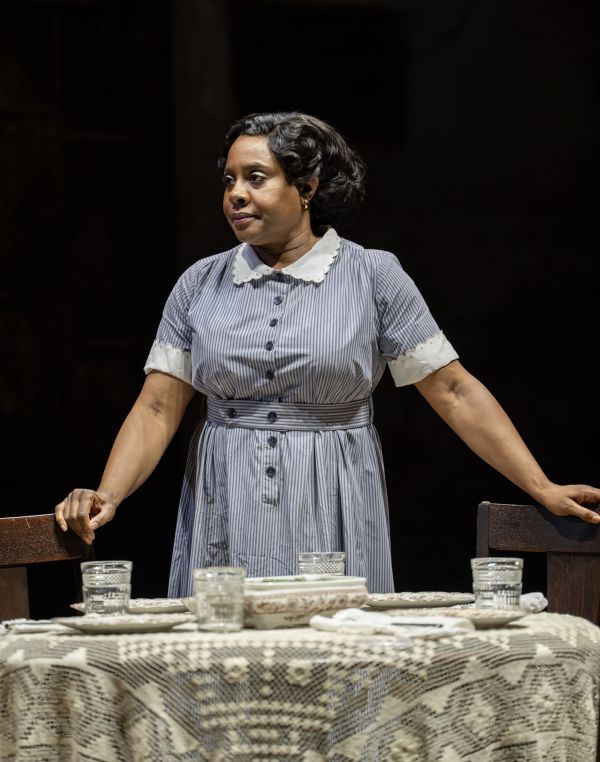
It is a strange dichotomy that To Kill A Mockingbird makes deeply uncomfortable viewing for a modern audience and yet remains as relevant as when the classic novel was written in 1960.
Harper Lee’s Pulitzer Prize-winning story of racial prejudice in 1930’s Alabama has been adapted for the stage by Aaron Sorkin in quite formidable fashion.
Given that the text is widely studied – as evidenced by the huge turn-out of teenagers – there can be few who don’t know it centres around a black man wrongly accused of raping a white girl.
Facing the prospect of the electric chair despite the lack of evidence that a crime had even been committed, Tom Robinson is defended by court-appointed lawyer Atticus Finch, who rails against the prejudice and total lack of humanity towards his client.
And it is impossible to watch this captivating production without thinking of how little has changed in the States where Donald Trump has given racists fresh licence to once more spread the hatred which for so long they had kept under wraps – or more likely cloaks.
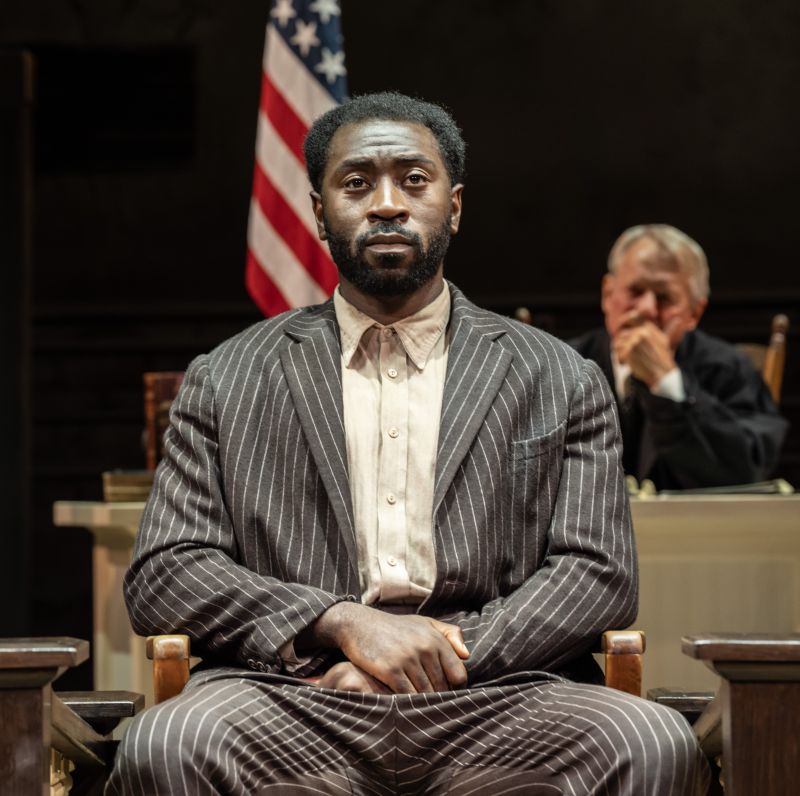
That makes this a hard but utterly compelling watch, as Sorkin’s beautifully-written script hurtles towards its inevitable conclusion. With the system loaded against a black defendant and an all-white jury of farmers, the only surprise is that it took them as long as 37 minutes to reach their verdict.
Under Bartlett Sher’s masterful direction, the first half of the play gives an insight into the Finch family as well as the racist residents of the fictional town of Maycomb who disguise their prejudices as facts. Sound familiar?
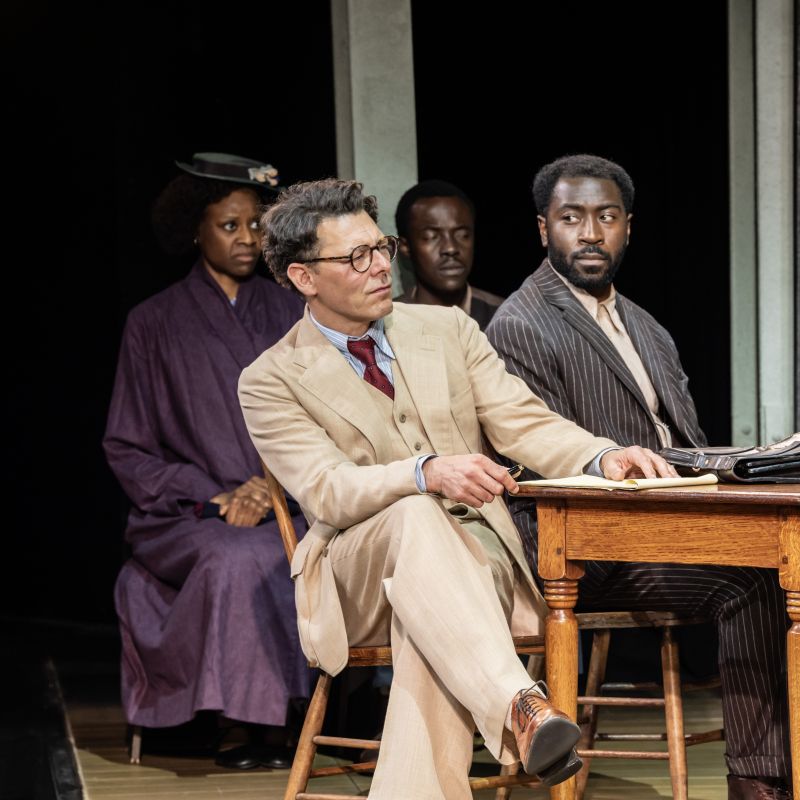
The superb staging sees the scenery frequently switch between the front porch and the courthouse. With his inherent and ultimately unfounded faith in the justice system, Atticus remains convinced it is a case he can win despite the undercurrent of unease.
He is perfectly portrayed by Richard Coyle, who captures the lawyer’s anguish as he battles the odds stacked against him while still insisting there is good in everyone.
Meanwhile Aaron Shosanya is wonderfully understated as Tom Robinson who remains humble, honest and honourable despite the attacks on him simply for the colour of his skin.
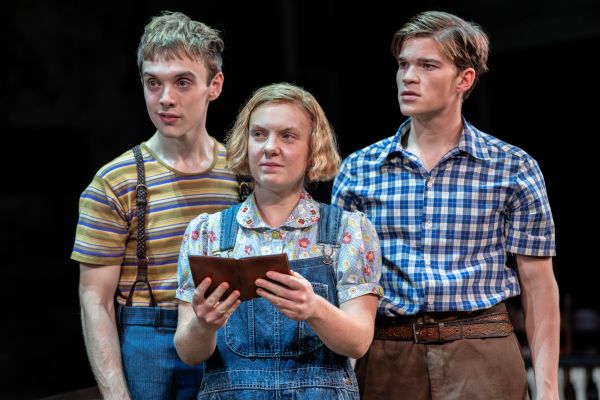
The engaging narration of Scout Finch (Anna Munden) alongside her angry brother Jem (Gabriel Scott) and quirky pal Dill (Dylan Malyn) paves the way for a spine-tingling second half with the audience hardly daring to breathe.
They sit transfixed until the command “All Rise” leads to a standing ovation which is as much a release of tension as an appreciation of a real masterpiece which, with interval, lasts almost three hours.
Be warned, there is liberal use of the N word which is in no way gratuitous, reflecting the authenticity of the times then – and, you suspect, today.
With its final twists, the play bravely tackles issues of white privilege contrasting how an innocent black man can be hounded so mercilessly while guilty white men are shielded by racists. Being part of a mob absolves you of a conscience!
That raises huge questions about the modern world both in the USA and, potentially, here. Most notably, whether we have really moved on from the words Atticus Finch first delivered 65 years ago: “We have to heal this wound or we will never stop bleeding.”
To Kill a Mockingbird runs at Southampton’s Mayflower Theatre until Saturday March 28. Tickets mayflower.org.uk/whats-on/to-kill-a-mockingbird-2026
In Common is not for profit. We rely on donations from readers to keep the site running. Could you help to support us for as little as 25p a week? Please help us to carry on offering independent grass roots media. Visit: https://www.patreon.com/incommonsoton