
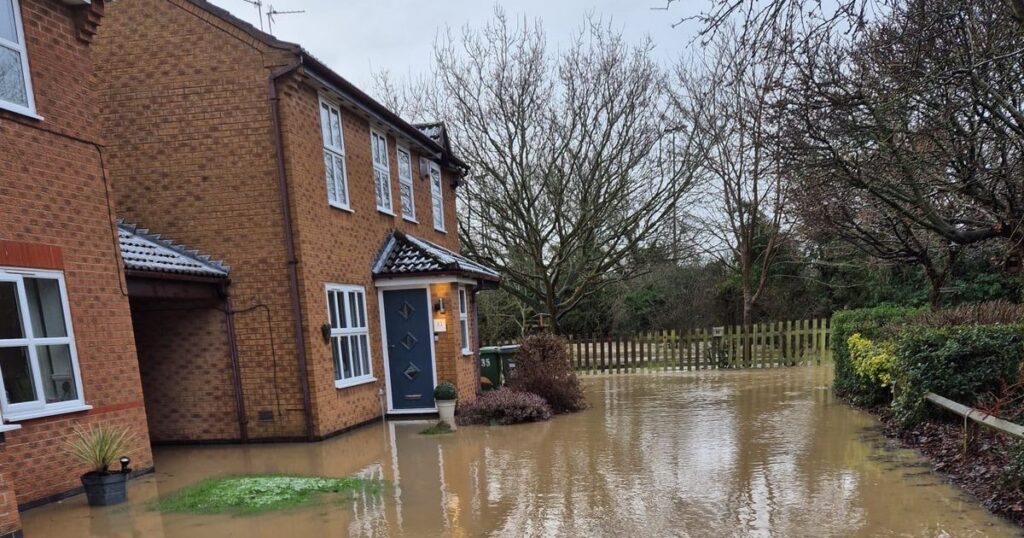
Residents in flood-prone areas previously said they are ‘worried every time it rains’
06:00, 03 Mar 2026Updated 08:00, 03 Mar 2026
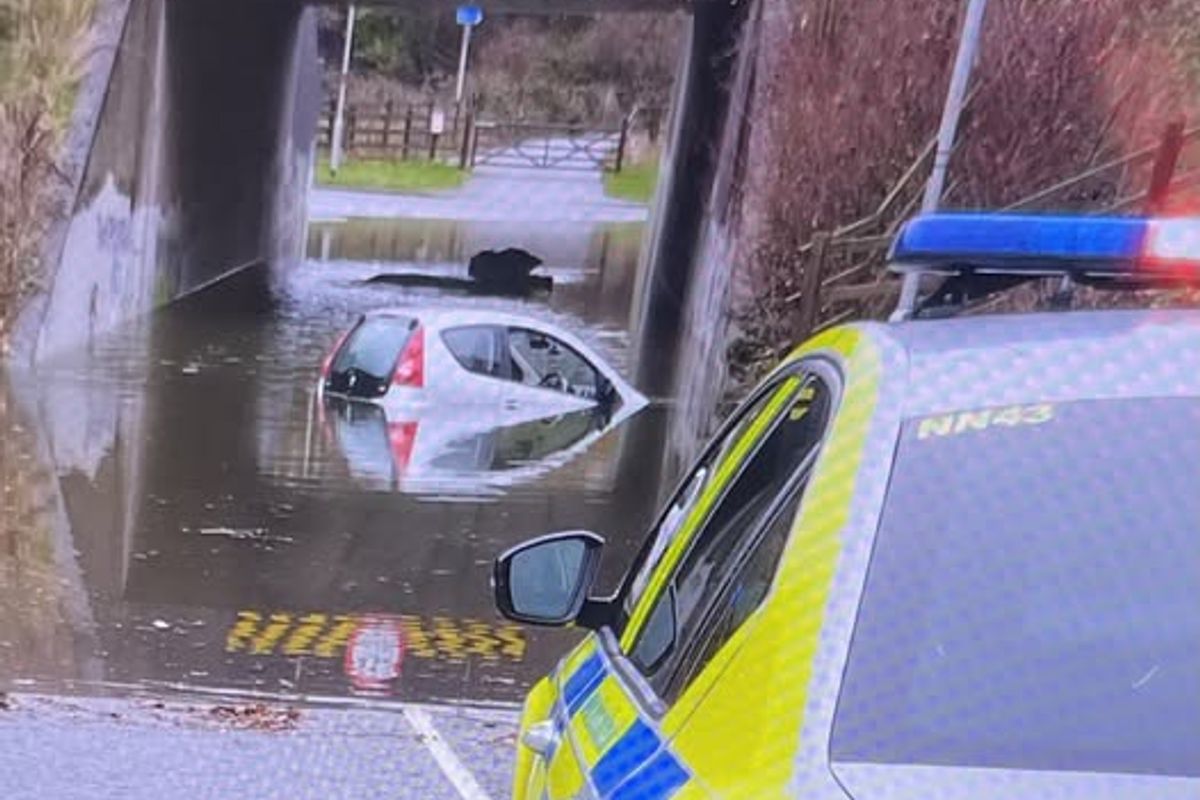
Flooding left by Storm Claudia saw two cars trapped underneath the A50 bridge in Lockington, Leicestershire, last year.(Image: Leicestershire Police)
This season has officially been named the “wettest winter on record” by the UK’s weather service.
The Met Office has released its provisional statistics for the winter period of 2025/26 and February 2026.
Data shows that Leicestershire experienced its wettest winter, alongside the West Midlands and Cornwall, since the Met Office began recording information in 1836.
Some parts of the county have been hit much harder than others, with areas such as Loughborough, Anstey and Glenfield often subject to flooding in rainy conditions.
In November 2025, Storm Claudia ripped through the country, prompting the Environment Agency to warn people to “act now” and prepare against floods.
Just one day after the warnings were issued, emergency services reported that at least two vehicles had become trapped in floodwaters due to spouts of heavy rain.
The cars were stuck in Main Street, located in the village of Lockington, which is close to Castle Donington, underneath the A50 bridge on Sunday, November 16.
Firefighters assisted police and were able to confirm that nobody was inside either of the vehicles.
Two months later, LeicestershireLive visited residents living in flood-prone parts of the county who said they are “worried every time it rains”.
Some who live local to the Whetstone Brook recalled the floods which had ensued at the beginning of 2025 after the brook burst its banks.
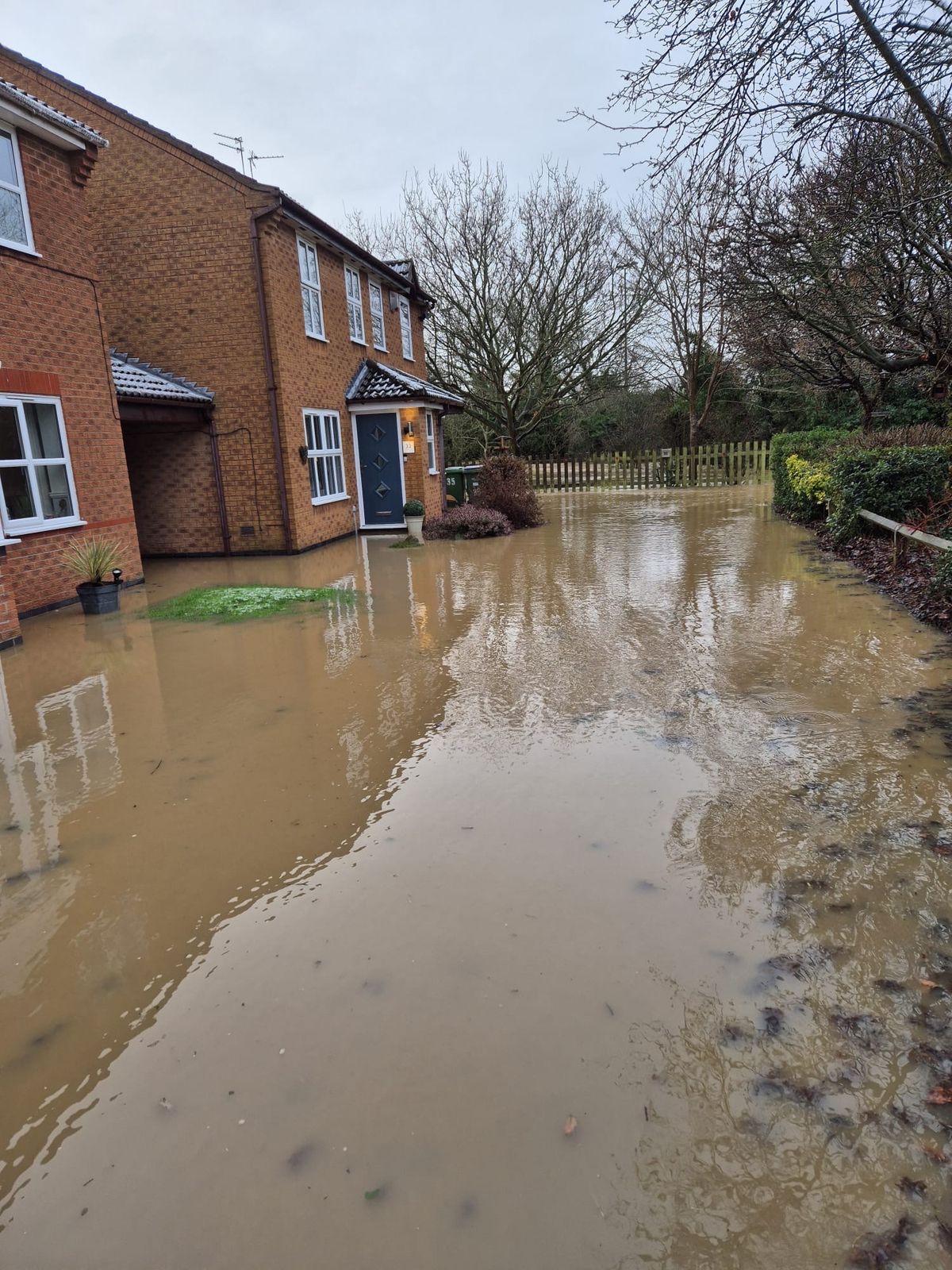
Water has previously come close to entering people’s homes(Image: Leicester Mercury)
It was during this time that the record-breaking floods forced hundreds out of their homes, as emergency services responded to more than 380 calls in a 24-hour period.
More recently, a number of flood alerts and warnings were issued throughout February, a month which saw heavy downpours.
Properties close to Wood Brook and the River Soar in Loughborough were “expected” to be impacted by flooding on Friday, February 6.
More than one week later came widespread alerts issued in various locations as rain was almost non-stop on Sunday, February 15.
Alerts were put in place for several residential streets around Belgrave, Rushey Mead, the West End and Aylestone.
Parts of Loughborough and Melton were also subject to alerts, with severe flood warnings put in place covering Sileby and Quorn.
This past weekend saw heavy rain sweep across the county, with Glenfield being particularly impacted.
People in the area experienced floodwaters of around two feet in depth on Saturday, February 28.
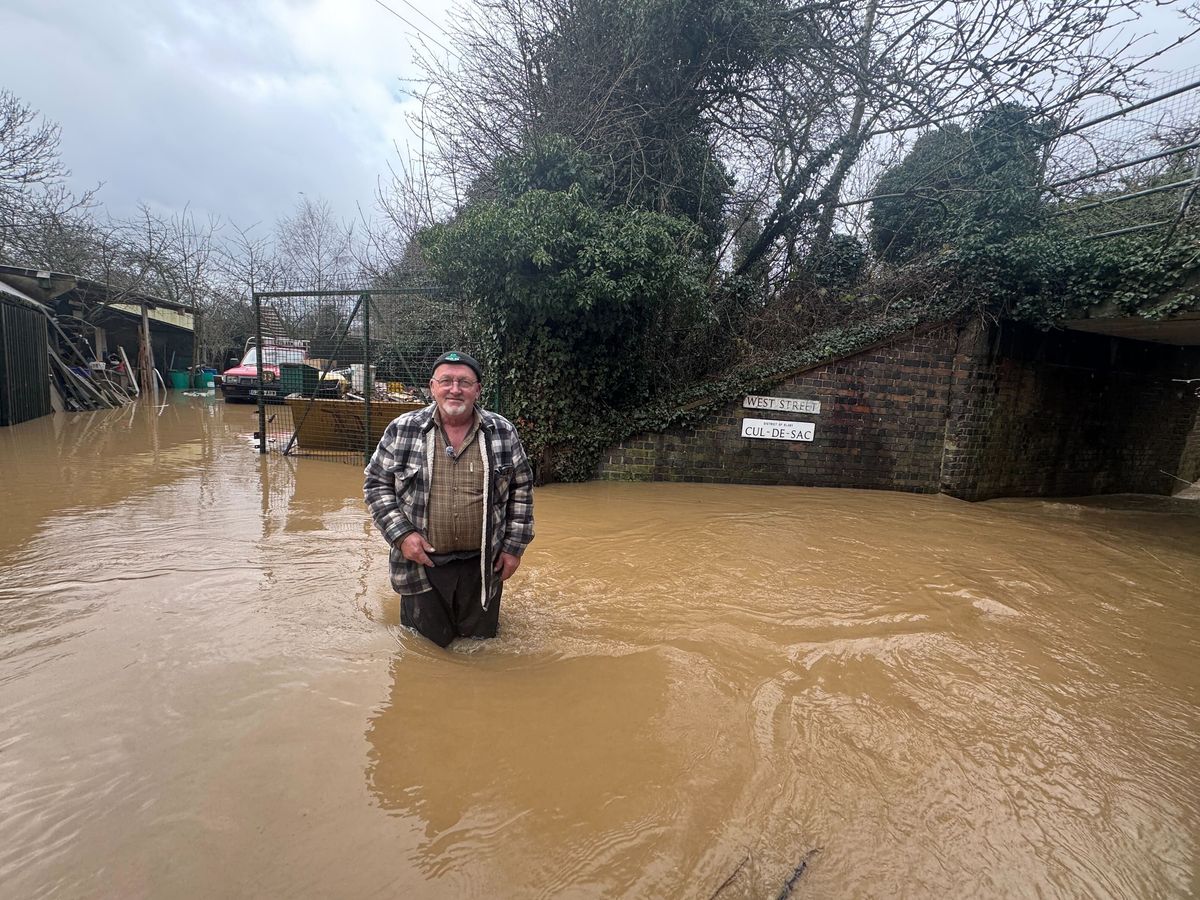
Pete Carter, 65 believes the village is being sacrificed for unfit development(Image: Dylan Hayward)
“Act now” warnings were issued by the Environment Agency after Rothley Brook rose rapidly to 2.46 metres, well above the critical 2.15-metre threshold where homes begin to flood.
As of Monday morning (March 2), flood alerts remained in place across the county.
More severe conditions were reported with flood warnings affecting residential areas of Kegworth and fields along the River Soar near Sileby and Mountsorrel, as well as a handful of homes around Zouch Road, near Hathern.
The Met Office have said that whilst atmospheric patterns and natural variability “heavily” influence our weather, climate change provides “important” context.
It said that a warmer atmosphere can hold more moisture, meaning that when it does rain, downpours can be heavier and more intense.
Furthermore, it was noted that this characteristic is seen globally, with rainfall totals on the wettest days increasing over recent decades.
Provisional data shared by the Met Office also highlighted that February presented the lowest sunshine totals on record for all four UK nations, alongside some “exceptionally mild” conditions.
Dr Amy Doherty, Met Office science manager, said: “February’s mild and notably dull conditions have brought a winter of considerable contrasts to a close.
“While February itself stood out for its exceptionally low sunshine and above-average temperatures, the broader winter picture shows just how varied conditions have been around the UK.
“Some southern and central areas of the UK experienced persistent rainfall, leading to saturated ground and several areas recording one of their wettest winters on record.”