
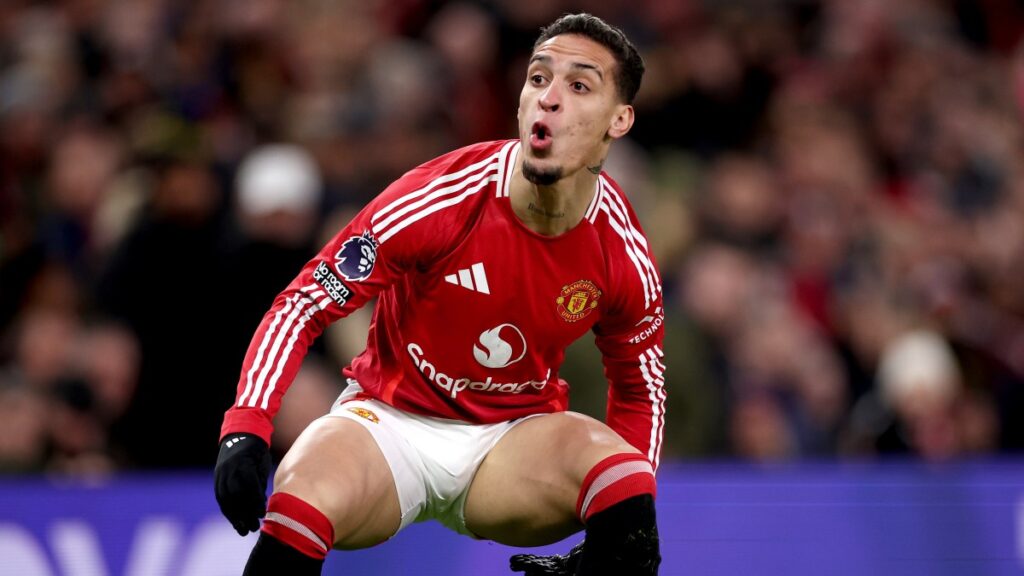
Manchester United’s net spending on transfers has been the highest in the world over the past five years, a Uefa financial report has revealed.
The level of spending underlines the scale of United’s underperformance from the start of 2021 to the end of 2025. Uefa’s club licensing benchmarking report says that United’s net spending on transfers over that five-year period was €794million (£692million), followed by Chelsea on £656million and Arsenal’s £587million.
Chelsea were by far the biggest gross spenders on transfers — they spent £1.93billion, about 56 per cent more than the next highest spenders Manchester City who splashed out £1.23billion. Chelsea, however, made the most money from transfer income of £711million, followed by City on £666million.
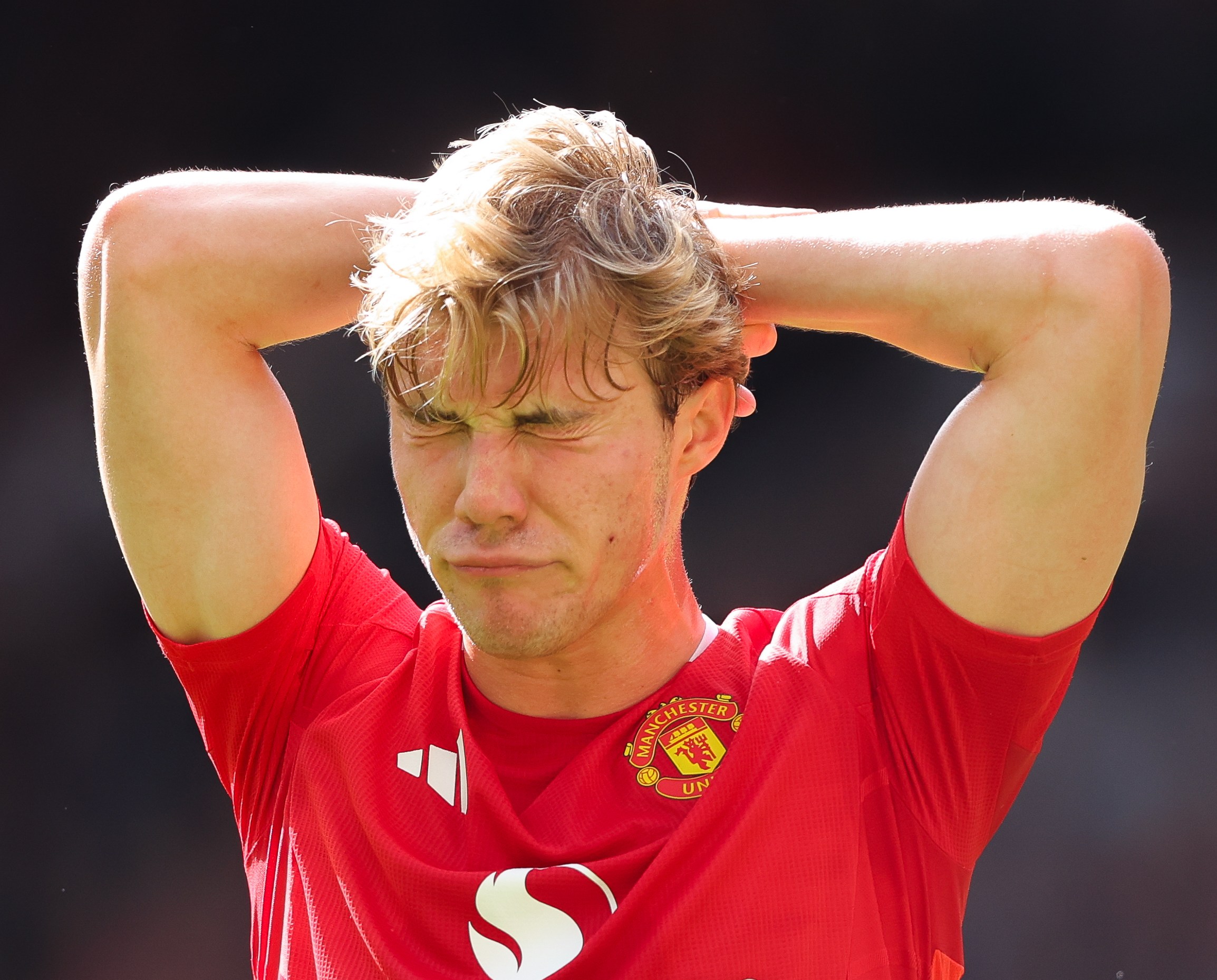
Rasmus Hojlund, now on loan at Napoli, failed to make an impact after joining United for £64million in July 2023
JAMES GILL – DANEHOUSE/GETTY IMAGES
The report illustrates the financial dominance of the Premier League compared with the rest of Europe, and it appears the gap is growing.
“The high level of spending compared with non-English clubs is evident, with the Premier League hosting seven of the top ten most expensive playing squads by transfer fee assembled at the end of the 2025 financial year,” the report says.
“Chelsea FC’s playing squad at the end of the club’s 2025 financial year was officially the most expensive ever assembled, with a combined transfer cost of €1,746million, up €90million on the record set by the club last year.”

Enzo Fernández is Chelsea’s most expensive signing, costing £107million from Benfica in January 2023…
JACQUES FEENEY/OFFSIDE/OFFSIDE VIA GETTY IMAGES

… but their net spend was reduced by player sales, including that of Kai Havertz to Arsenal in 2023, for about £65million
DAVID PRICE/ARSENAL FC VIA GETTY IMAGES
That surpassed the value of the Real Madrid squad of 2020, which cost about £1.13billion to complie, and the Uefa report says TV revenues continued to be the greatest polarising factor. Premier League clubs earned £1.3billion more in TV money in 2024 compared to 2014 — similar to the TV revenue increase of the rest of the top 53 European leagues combined.
The report adds: “The increase in TV revenue among English Premier League clubs in 2025-26 is set to be more than double the combined increases communicated elsewhere in Europe.”
The financial gap between the elite clubs and other teams in England’s top flight is much smaller than in Spain’s La Liga, however. In terms of commercial revenue, the top club in England earned nine times the amount of the middle club in the league, while in Spain it was 36 times as much.
“The ability of competition organisers and governing bodies to reduce financial imbalance through solidarity payments and prize money distribution should therefore be viewed in this context,” the report adds.
Uefa’s president, Aleksander Ceferin, said the findings of the report were “encouraging” as it showed European football was well on the road to recovery after the pandemic.
He said: “After a decade that included one of the toughest periods our sport and our society have faced, European football has come through in a strong position.
“Club revenues have grown steadily across the board, and top-division income is expected to pass €30billion in the 2025 financial year.”