
Across the year, the city’s GP practices had a total of 1.78 million appointments.
Sixty-five per cent of these sessions were face-to-face, significantly higher than the Hampshire and Isle of Wight average of around 58 per cent.
James Roach, director of primary care and local care for Hampshire and Isle of Wight Integrated Care Board (ICB), said: “We’re still providing an accessible on the day face-to-face service for our patients.
“I think it reflects two things.
“Patients are presenting to general practice with complexity and a broader range of illnesses.
“GPs are seeing more people, they are seeing sicker people in the practice and they’re having to deal with more urgent issues on the day.
“I think it also reflects that not all of those people will be seen by a GP.
“They may be seen by a practice nurse, a pharmacist, a social prescriber, a physio.
“There’s huge variety in terms of access.
“If you were going to apply this to the consumer world, access is up, variety is up and we are seeing an increase in satisfaction in some of our more challenged areas.”
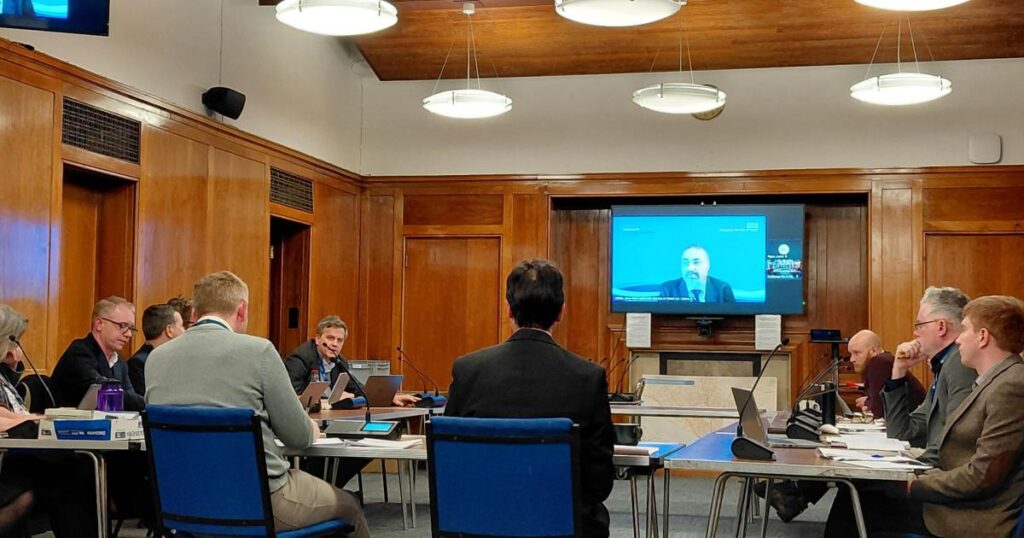
Mr Roach told members of Southampton City Council’s health overview and scrutiny panel at a meeting on Thursday, February 12, that 91,000 appointments were not attended to in Southampton last year.
He said some of this was due to patients not being able to or forgetting to cancel their appointment.
Mr Roach said: “What we are hoping now with things like the NHS app and online access is it will be easier for people to cancel appointments through that route in the main but also making sure that through receptions as well that we make it easier.”
Across Hampshire and the Isle of Wight, December 2025 saw a year-on-year appointment increase of ten per cent.
Mr Roach said the region was regularly exceeding one million appointments per month, with October last year the biggest single month on record for the ICB.
Since the start of October 2025, all GP practices have been required to provide online consultations from 8am to 6.30pm on weekdays.
The health boss said alongside the significant increase in demand, some practices had to completely change their operational model as result of the online consultation requirement.
He added: “I think practices need to be commended for that in terms of what they’ve done, but also how they’ve changed business practices to enable better access to their population.”