
According to environmental group WildFish, eight water bodies across the lower River Test and Southampton streams could be assessed using invertebrate data from 2016 and 2019 for the Environment Agency’s (EA) upcoming 2025 river health classifications.
Out of 3,645 water bodies assessed in 2019, just 52 per cent had up-to-date invertebrate monitoring, with the remainder relying on data rolled over from 2016.
WildFish said the same could happen again in 2025 for large parts of the country.
READ MORE: Family-friendly outdoor wildlife scheme set to expand
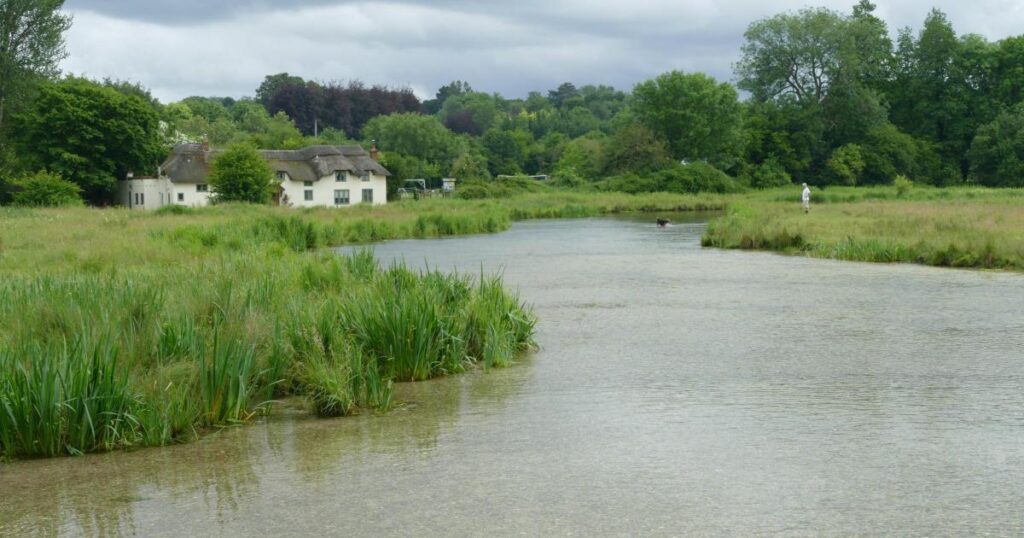
The River Test (Image: Supplied)
Sam Green, senior freshwater ecologist at WildFish, said: “We can only take action to save Britain’s rivers when we know what’s going on under the surface, and so a lack of up-to-date science and a reliance on rollover data from previous years is deeply concerning.”
The group emphasised the value of citizen science in addressing these data gaps.
Janina Gray, head of science and policy at WildFish, said: “The public and those who work to protect our rivers I think will be surprised and dismayed to find out the data used by regulators to assess our rivers is so out of date.
“Protecting our rivers starts with us all working together to ensure we have transparent, accurate and current data that can be used not only to identify environmental stressors but also track progress.
“It’s time the EA prioritises collaborations with citizen science projects, such as SmartRivers, to help fill some of the EA’s knowledge gaps.”
WildFish also called for all rare chalk streams to be designated as special scientific areas of conservation to improve monitoring and protection.
An EA spokesperson said: “We are working with many partners including citizen scientists to understand more about our water bodies to help protect the ecosystems and wildlife they support.”