
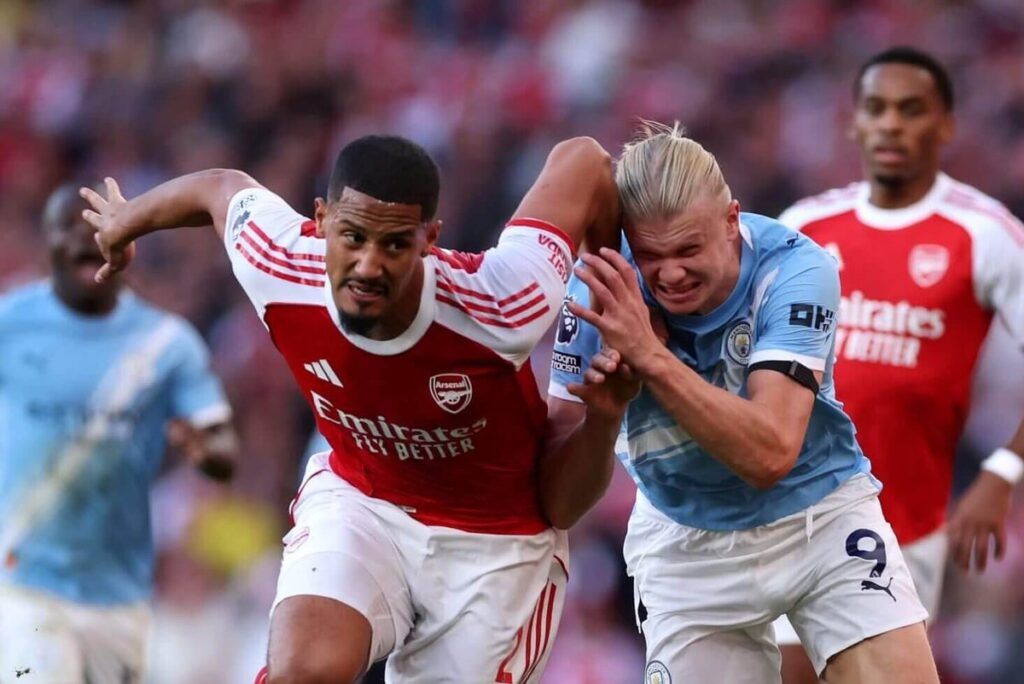
This year’s Carabao Cup final will be a repeat of the 2017-18 matchup, when Manchester City beat Arsenal 3-0 and Mikel Arteta was part of the Manchester City coaching staff.
Arsenal are seeking their first trophy since Arteta delivered an FA Cup victory in 2020, and Manchester City are hoping to close in on their ninth EFL Cup, after winning it four times in a row between 2018 and 2021.
With both teams occupying the Premier League top two, how does it impact their league campaigns? What happens to the UEFA Conference League place up for grabs? And can Arsenal prevent a record seventh loss in EFL Cup finals? Here’s a rundown…
When is the final?
The final of the English Football League (EFL) Cup, named the Carabao Cup after the Thai energy drink for sponsorship reasons, will take place at Wembley Stadium on Sunday, March 22.
How did the teams get there?
Premier League teams in the Champions League or Europa League enter the draw in round three, meaning they had to win four matches to reach the final, including the two-legged semi-final.
Arsenal beat Port Vale, Brighton, Crystal Palace (on penalties), and Chelsea (4-2 on aggregate) over two legs to reach their first final of any competition in nearly six years, when they won the FA Cup in 2020.
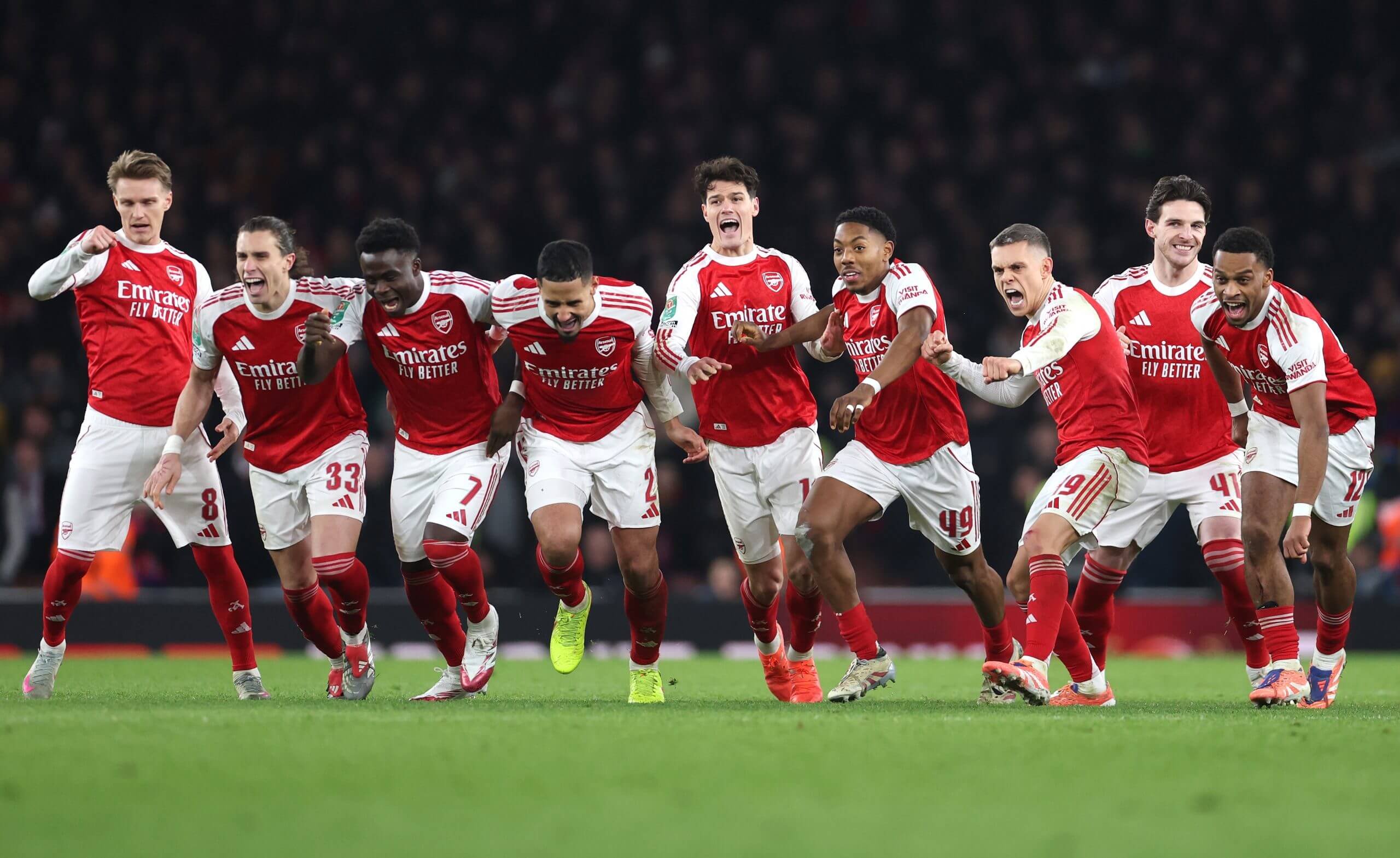
Arsenal celebrate beating Palace on penalties (Alex Pantling/Getty Images)
Manchester City defeated Huddersfield, Swansea, Brentford, and holders Newcastle United 5-1 on aggregate in the semi-finals.
What are their records?
Only Liverpool, winning the cup 10 times, have lifted the trophy more than Manchester City, eight-time winners, since the competition was founded in the 1960-61 season.
City have not won it since their four-year dominance ended in 2021.
Arsenal will compete in their ninth final and have won the competition twice, the last time in 1992-93. That year, they won the domestic double, also lifting the FA Cup, led by captain Tony Adams and top scorer Ian Wright.
But they have the unfavourable record of being runners-up in the EFL Cup final more than any other club, six times.
In the 2017-18 season, a meeting against Manchester City was their latest final defeat. It finished 3-0, with Sergio Aguero, Vincent Kompany, and David Silva all scoring.
What’s the prize money?
Winners will receive £100,000 ($137,000) in tournament winnings, but also stand to gain a minimum of £797,400 for competing in the following season’s Conference League.
Do the winners qualify for Europe?
Winning the competition gives you a place in the last qualifying round of the UEFA Conference League, which has been the case since the inception of the competition in 2021-2022, with a spot in the Europa League previously on offer.
However, no team has qualified for Europe solely by winning the EFL Cup since the 2012-13 winners, Swansea.
This is because every winner of the EFL Cup since has earned qualification to the superior European competitions, the Champions League and Europa League, via their league standing in the Premier League.
When this happens, for example, if Arsenal or Manchester City win the EFL Cup but finish in the top two of the Premier League and thereby qualify for the Champions League, the Conference League qualification is given to the next best-ranked team after the Champions League and the Europa League places in the Premier League table.
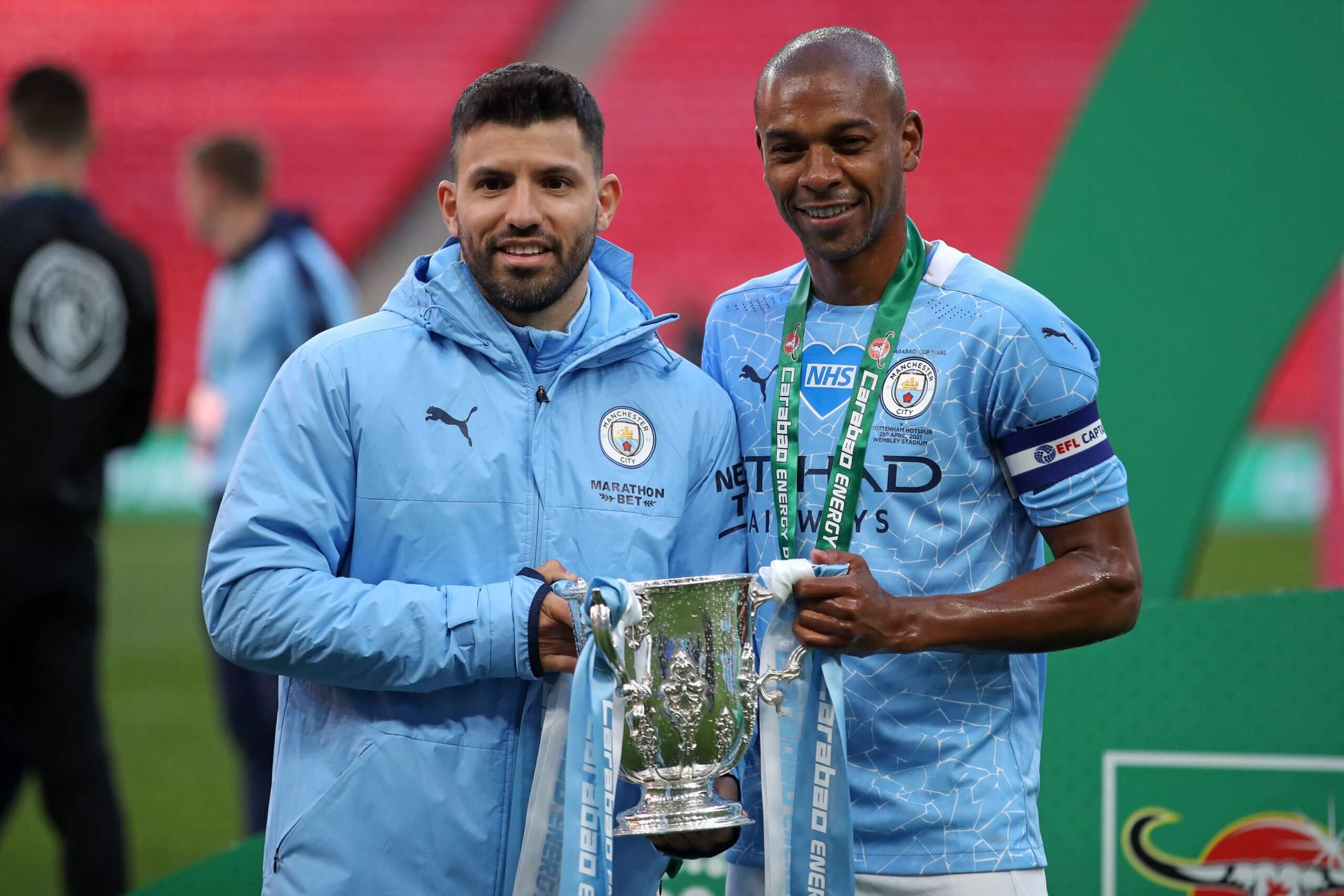
Sergio Aguero and Fernandinho pose with the trophy after winning the trophy in 2021 (Carl Recine/POOL/AFP via Getty Images)
As things stand, this would be awarded to sixth place. But, as happened last year, the Premier League is on track to earn a fifth Champions League berth based on UEFA coefficient, which pushes the Conference League spot to seventh.
The more lucrative FA Cup, the oldest national football competition in the world, offers a Europa League place.
In the case that both the FA Cup and EFL Cup winners qualify for Europe based on their league position and English clubs get five Champions League places, there would be an extra Europa League place decided by standings, and the Conference League qualification would be pushed to eighth.
How does the final impact the Premier League?
Arsenal were due to play Wolves away in gameweek 31 of the Premier League on March 21. They will instead be playing the final that weekend, so their Wolves fixture has been brought forward a month to be played on Wednesday, February 18, with an 8pm GMT kick-off.
On this night, there will be European play-off games, but Arsenal avoided these by finishing top of the Champions League table with a perfect record.
Manchester City also avoided the Champions League play-offs, finishing eighth to automatically reach the knockouts. However, their gameweek 31 opponents, Crystal Palace, finished 10th in the Europa Conference League table, so they have a play-off tie against Zrinjski of Bosnia and Herzegovina on February 19, so the fixture cannot be played in gameweek 26.
The Premier League has not yet confirmed the rearranged date of Manchester City at home to Crystal Palace, but it does mean it won’t take place on March 21 in gameweek 31.
In FPL terms, this means Arsenal have a double in gameweek 26, playing Brentford (A) and Wolves (A), and a blank in gameweek 31. Wolves will also have a double of Nottingham Forest (A) and Arsenal (H), and a blank in gameweek 31.
Manchester City and Crystal Palace will have a blank in gameweek 31, with their fixture at the Etihad to be rearranged.
Both rearranged fixtures will be broadcast on Sky Sports in the United Kingdom.